Geeking Out With Dave
On this site I will be sharing my photographs, writings and humor.
Please subscribe to my blog on the “Blog” page. I do not make money at this and I enjoy trying to find interesting things to write or photograph. Also comments, shares and likes are very helpful.
New video added to Coriolis article
My article on The Coriolis Effect in Spaceships is by far the most seen item on my blog. I plan on improving the videos and illustrations if time allows. (Two down.) I have updated it recently (Feb. 26, 2026) but I am not an artist, just an imager. Using stick people derives from an old joke I used to say. Someone asked me something about sex and I said I could draw them a picture but I will have to use stick people. Since them, I always draw stick people (and even did a stop motion cartoon with one). I should post it… (so I did on humor page). I added two new animations of a throw this week (Feb. 26, 2026). It shows how a sandwich toss of about 14 ft/sec (4.267 m/sec) would look inside 2001: A Space Odyssey’s rotating living area in the Discovery spacecraft. In this case, I did cut outs from photographs to depict the astronauts. One was me in a Halloween costume from the early sixties.
My page #* is a video we did in high school back in 1974. It is password protected to protect the people in it. Two of which have since passed away.
Recent items:
Feb. 17, 2026
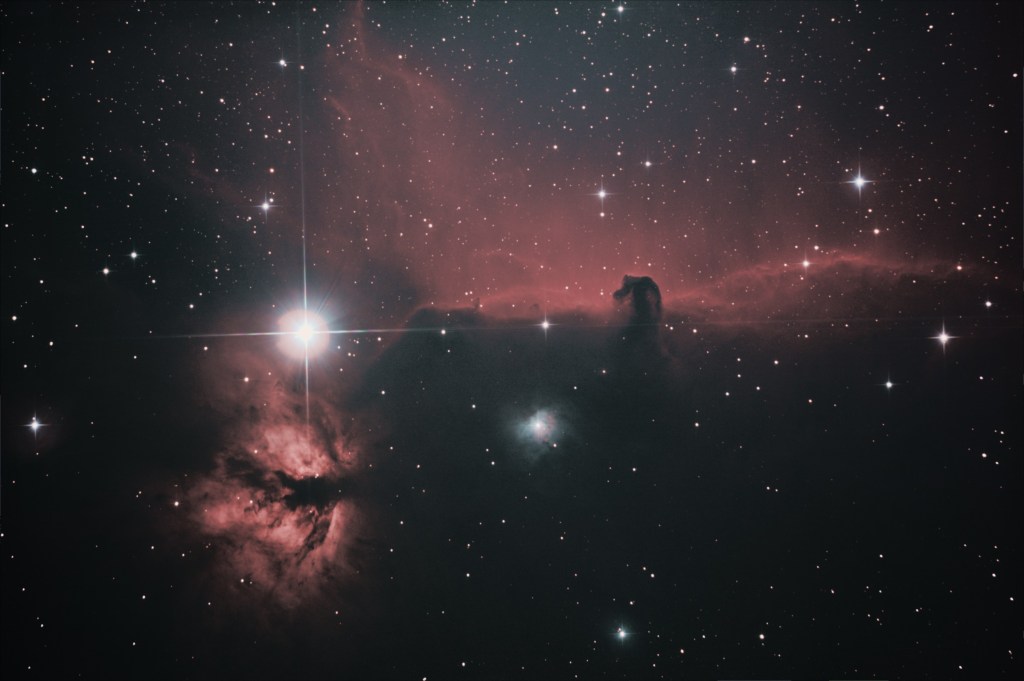
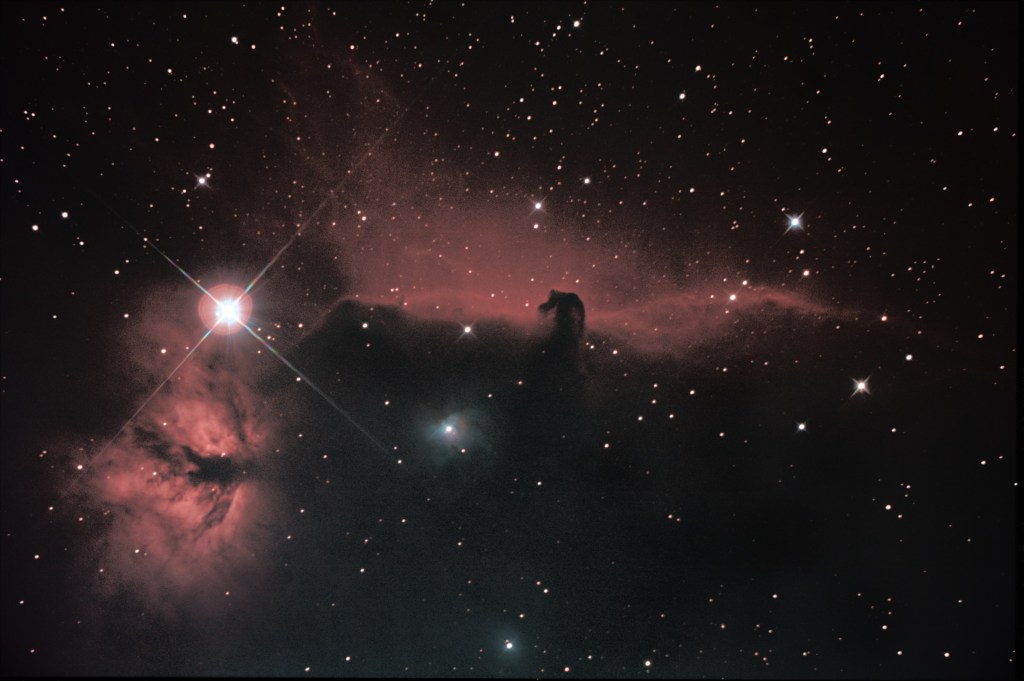
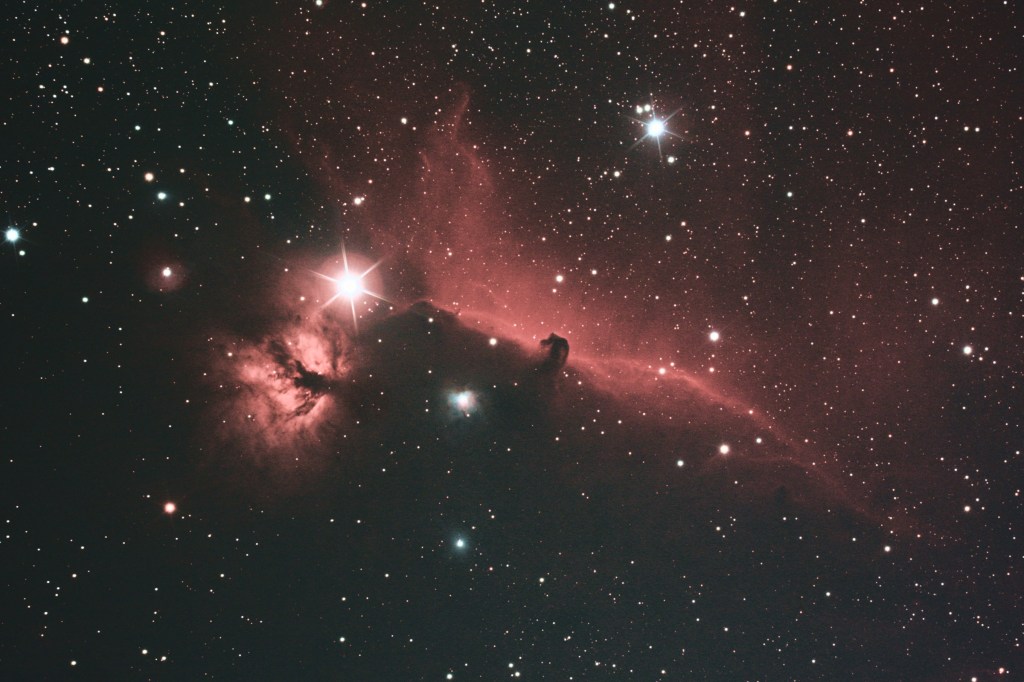
I have added another night of imaging to my Horsehead Nebula image. The stack is now up to 274. with the poor weather we are having and the moon interfering for the rest of the month, this may be all until next fall. 8″ Newtonian reflector at f4. Coma corrector and light pollution filter. Canon 60D (astro-modified). ISO 2500. Exposures 60 to 120 seconds with the majority at 90.
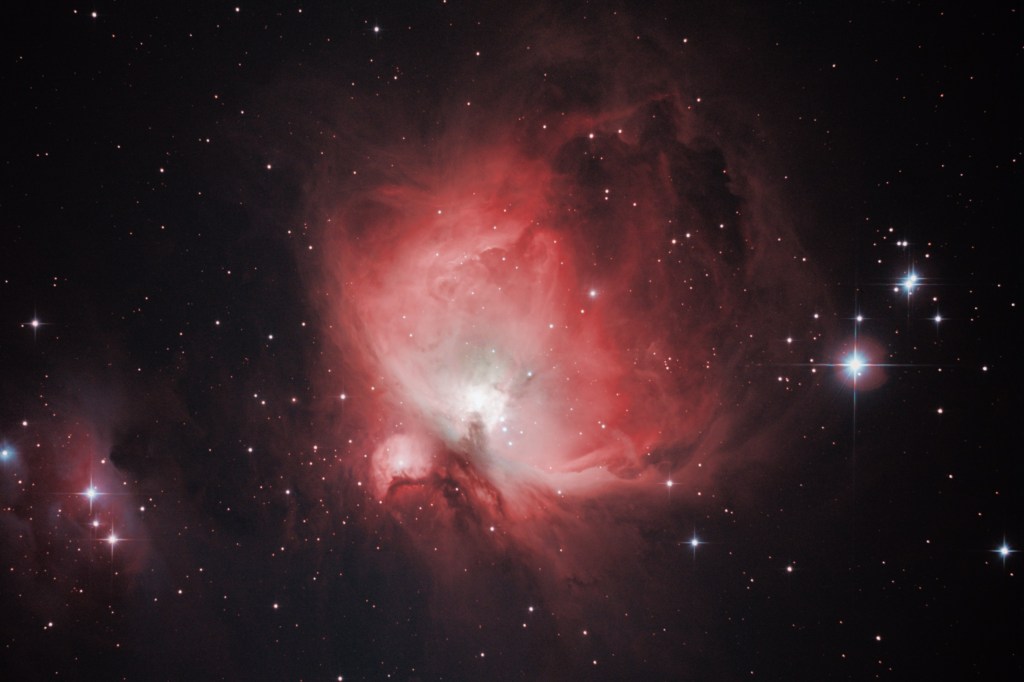
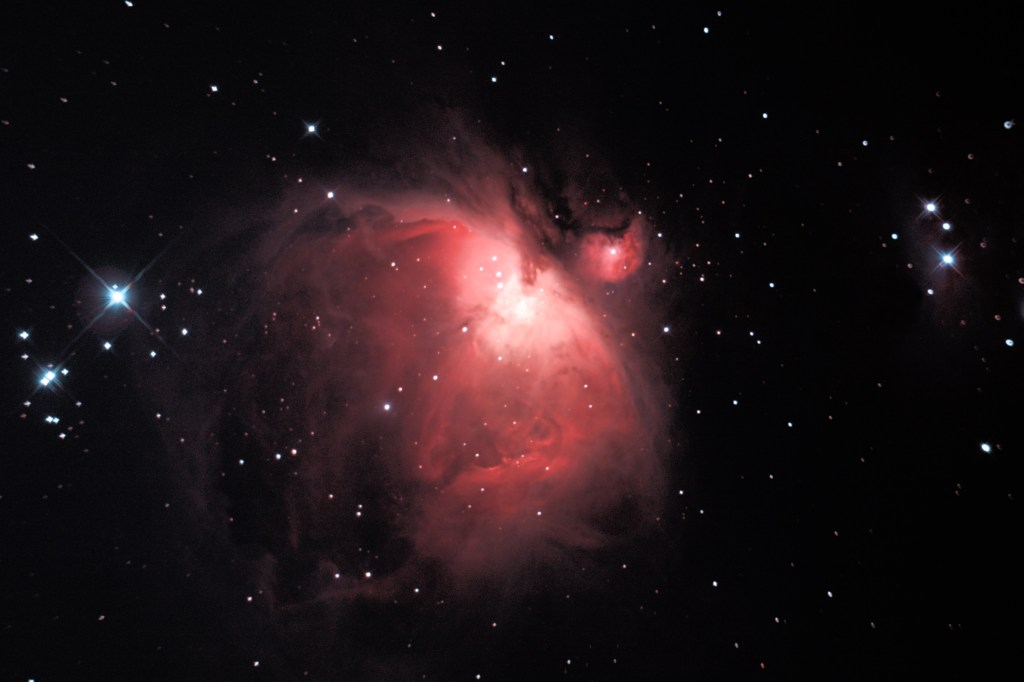
I also like to experiment on the Orion nebula (M42). I stacked 152 images with the same setup and at the same ISO 2500. The exposures ranged form 8 to 60 seconds. The core is extremely overexposed at the longer exposures so the shorter exposures are for the core. I had to stack two separate ranges and then clone the core onto the final image. I am still not completely satisfied but I am getting closer to what I envision.
Jan. 30, 2026
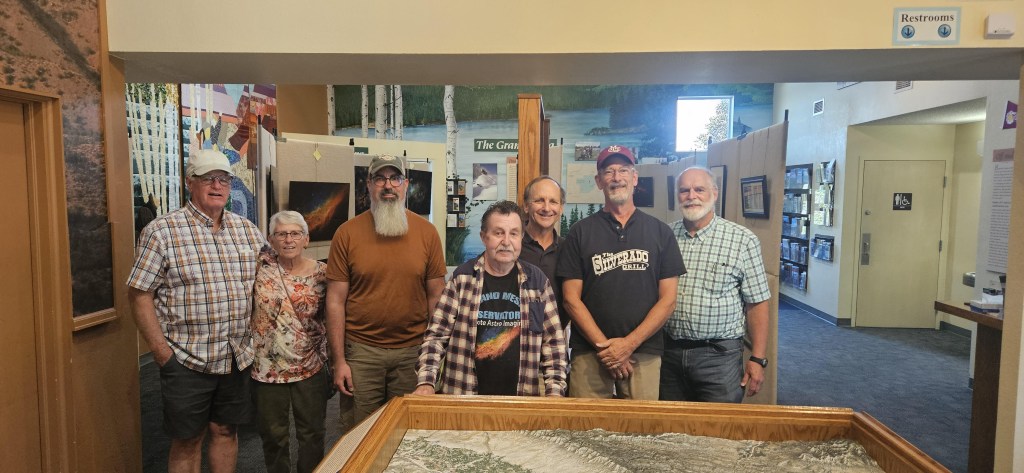
Our astronomy club, The Western Colorado Astronomy Club, has had three expos of our astrophotography over the last year. The first display was at the Mesa County Public Libraries, the second at the Grand Junction Visitor’s Center, and is currently at the Avalon Theater on Main Street in Grand Junction. I have four images on display (second floor near the restrooms. Are they trying to tell me something?). Some of our members have world class images on display. Terry Hancock is displaying some that have won awards. Mine can’t compete because I am an astronomer on a very limited budget!
This was our displays at the Visitor’s Center with the imagers. I’m the bald guy on the far right.
Jan. 24, 2026
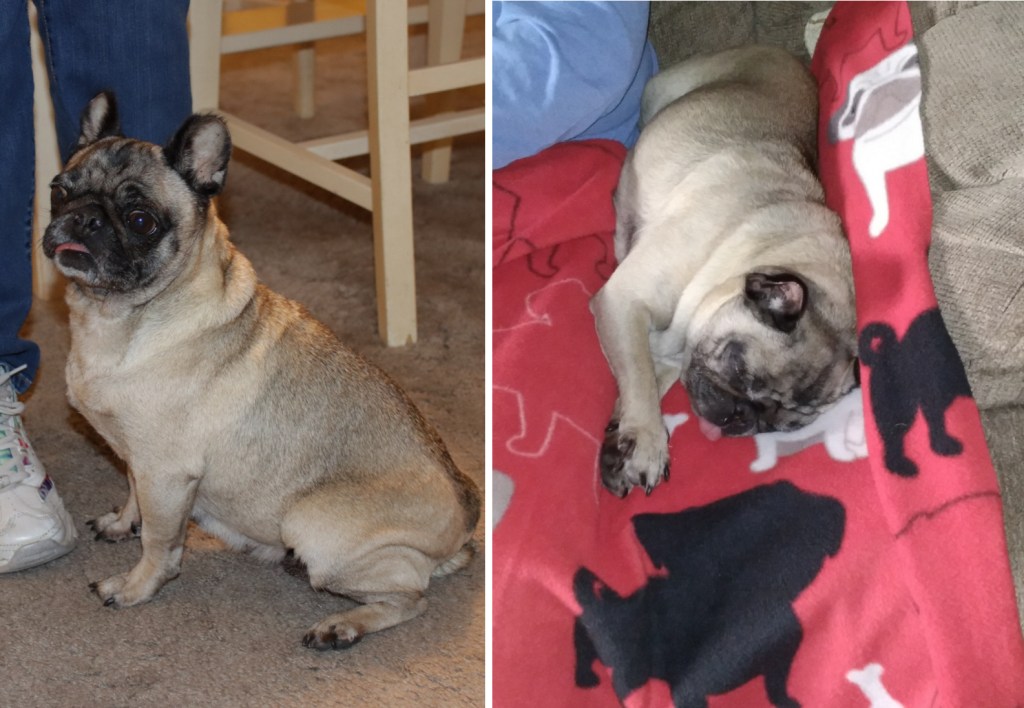
Today was a sad day for us. We lost our little pug, Sophia. She had stage four kidney failure. It took only two weeks from when she first showed symptoms. This was the last photo I took of her on Jan. 4th as she did her favorite pastime, sleeping (she woke up just as I snapped the picture). We rescued her three years ago. It was a wonderful three years.
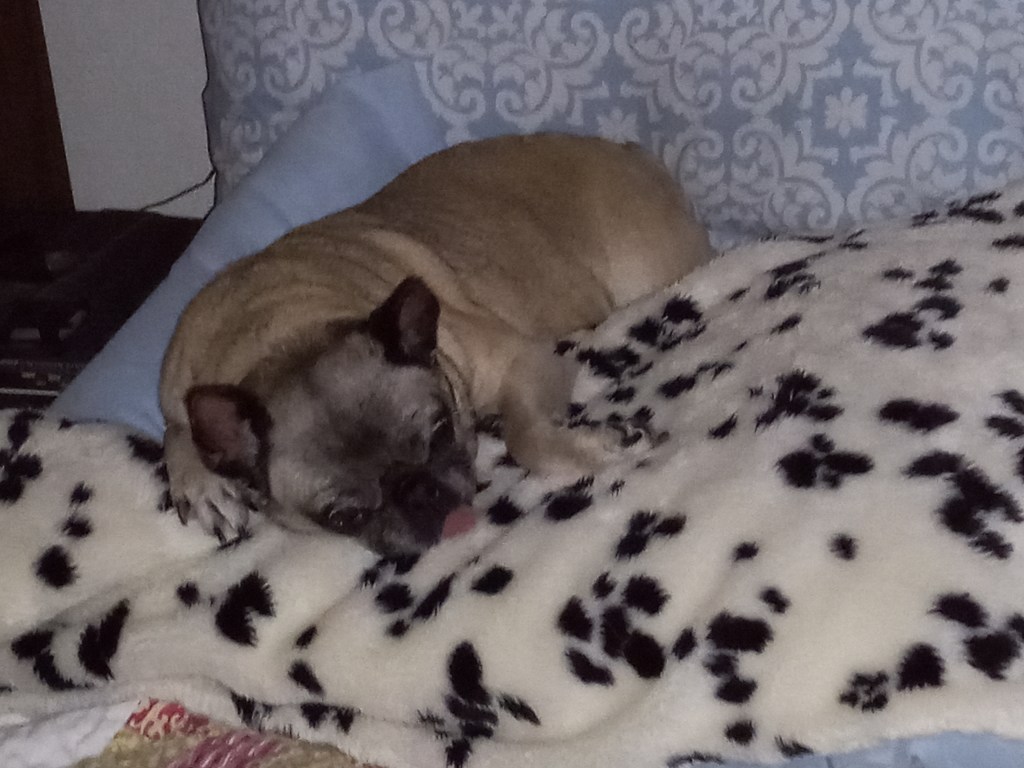
More images of her on her own page (Sophia).
First image of 2026
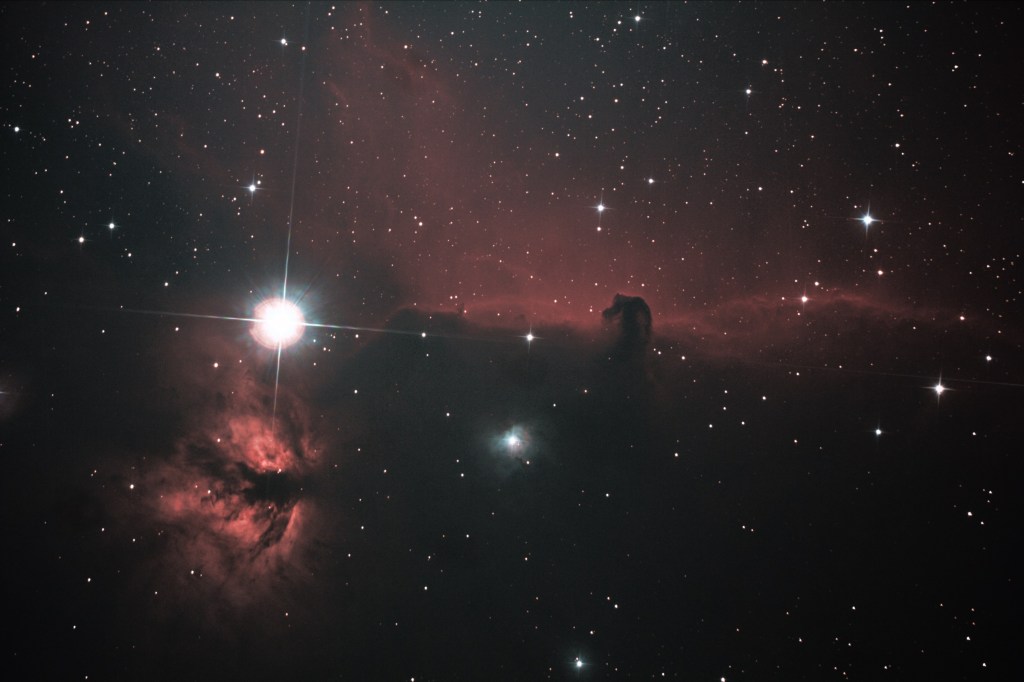
This is a stack of 38, 90 second images through my 8″ f4 Newtonian, ISO setting is 2500. Camera is my astro-modified Canon 60D with a Astronomik CLS light pollution filter. I am using a Baader coma corrector. The forecast is for clear skies most of this week. I am planning on adding many more images each night. I only have a 2 1/2 hour window before the nebula passes behind my neighbor’s trees so can only add a maximum of 45 images each night. I want to add a few shorter exposures to get better star details (maybe even without the filter). I will even try longer exposures but the light pollution in my area is pretty high. This is a single, unprocessed image of the Horsehead as an example. It includes a pesky satellite trail which eliminated this frame from the stack.
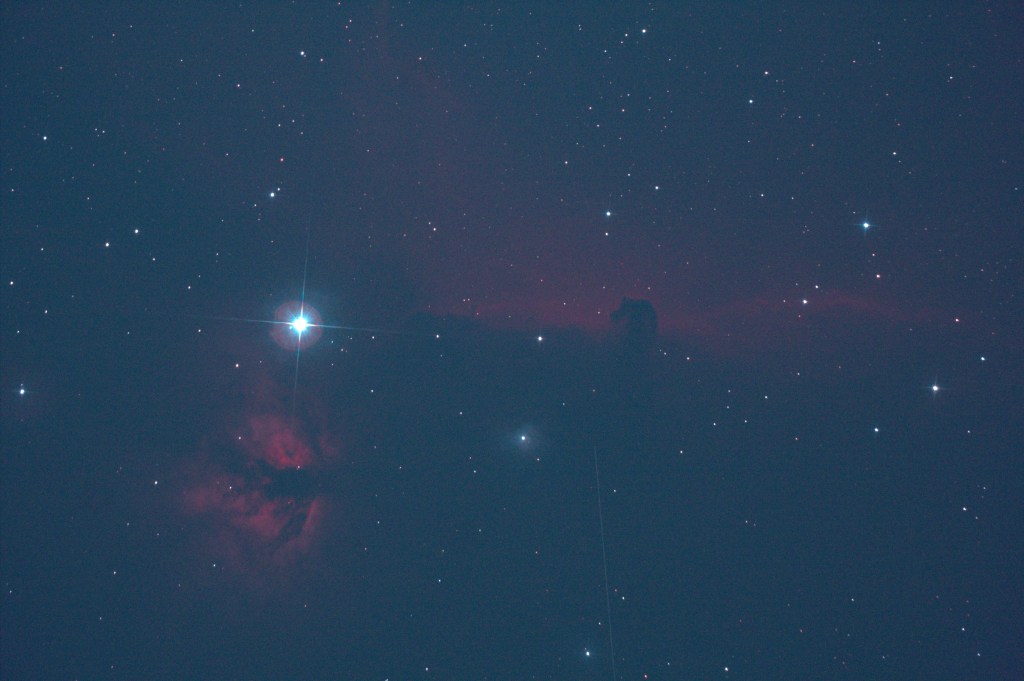
Final stack of 161 images.
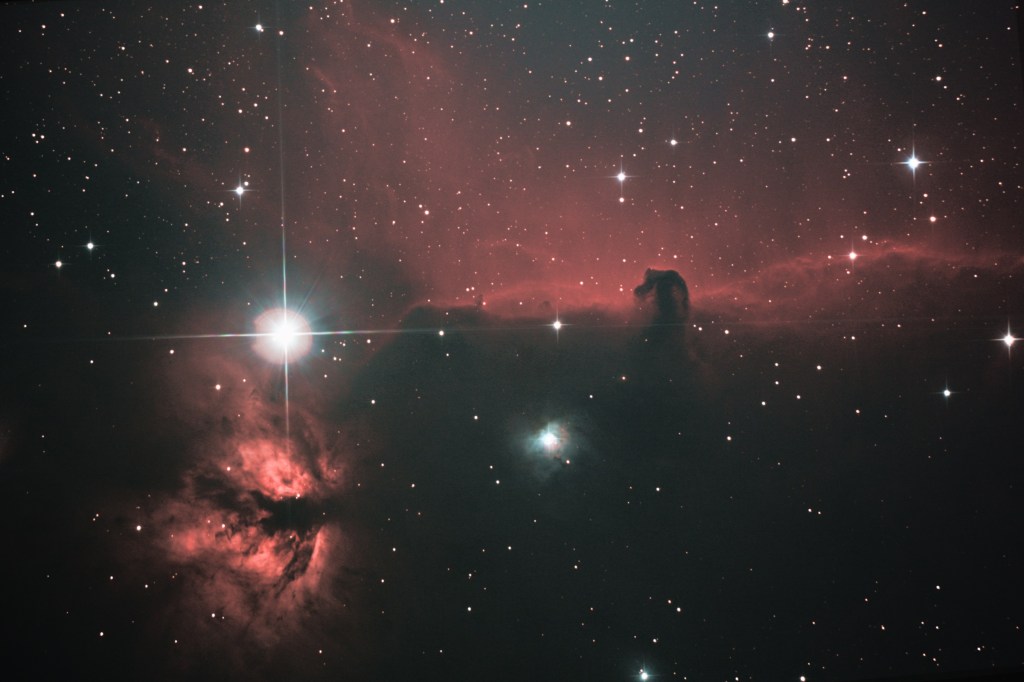
Dec. 19, 2025
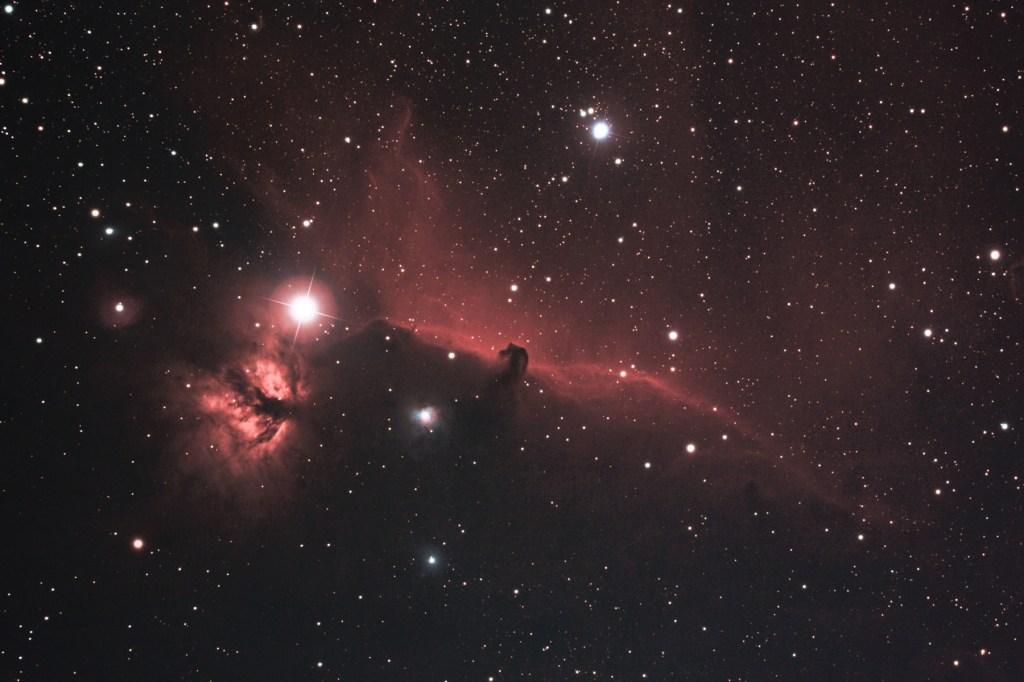
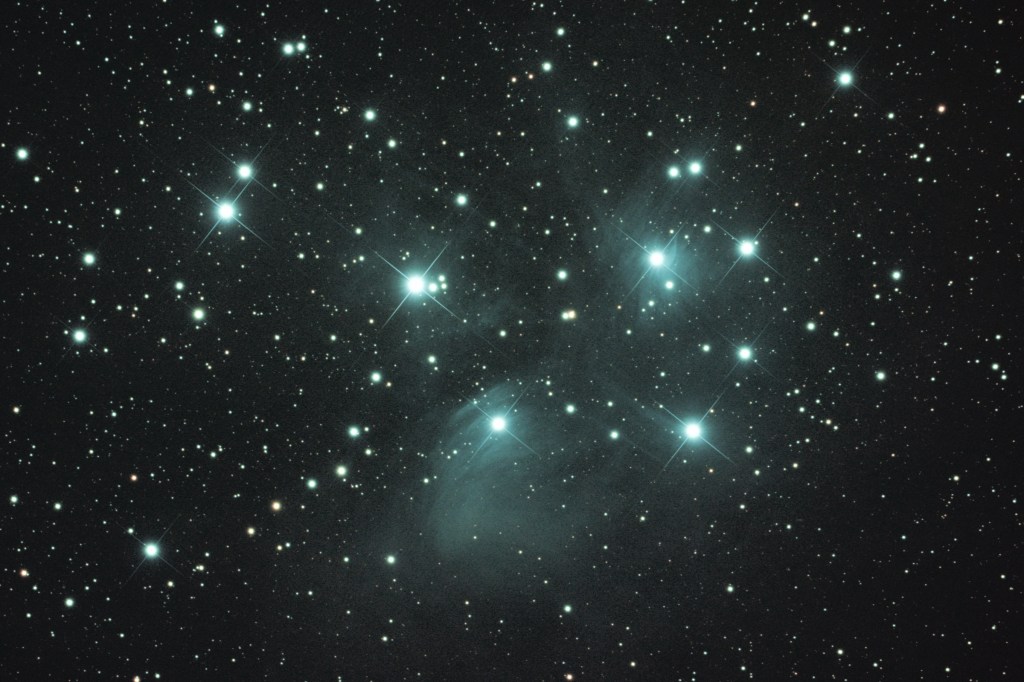
I have had time to take more images, perform more stacks, and update my Coriolis article. This stack of the Horsehead has 247 stacked images. The Pleiades has 304. Not gaining a lot, but I am taking images through light polluted skies. Now the weather is a problem and the Moon is going to be in the way. Time to take a break for the Holidays. I hope you enjoy yours!
Nov. 29
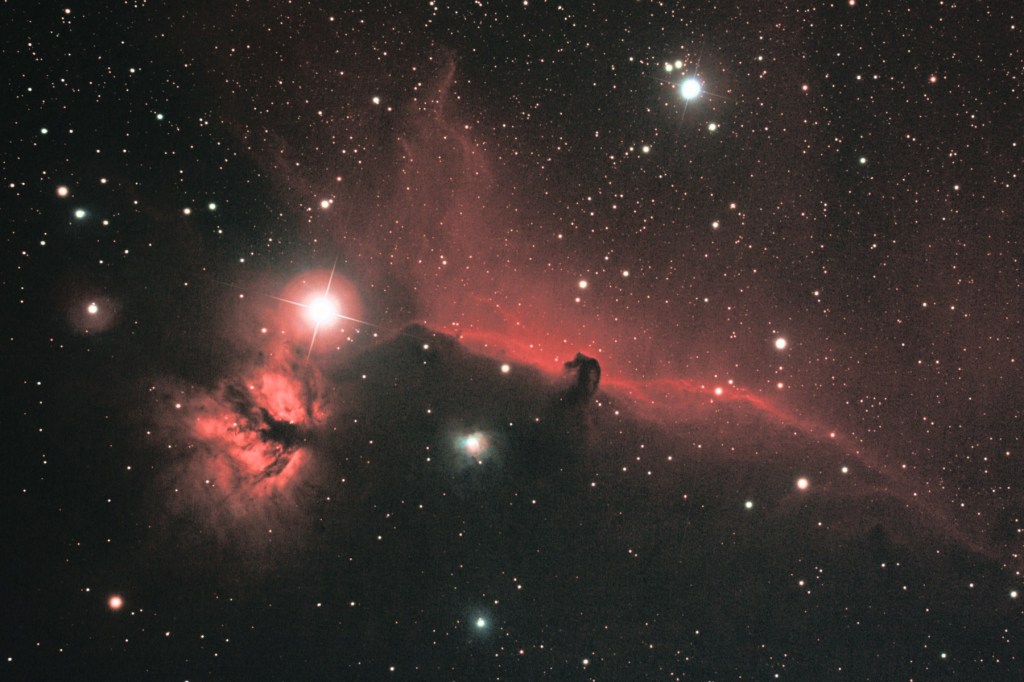
Now that the holiday is over I can spend some time catching up. I spent three nights imaging these last couple of weeks. I concentrated on the Horsehead and the Pleiades. I also added images from last year to the stacks from this year. The Horsehead is a final stack of 187. Most are 60 second exposures at ISO 2500 with the Astro-Tech AT80 EDT with focal reducer, for an effective focal length of 384mm at f4.8. I used the Canon 60Da.
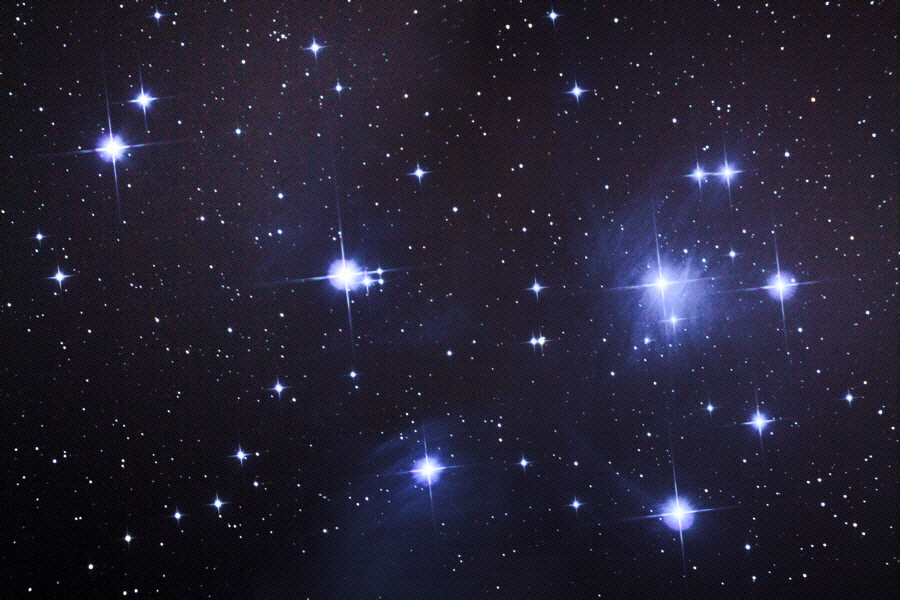
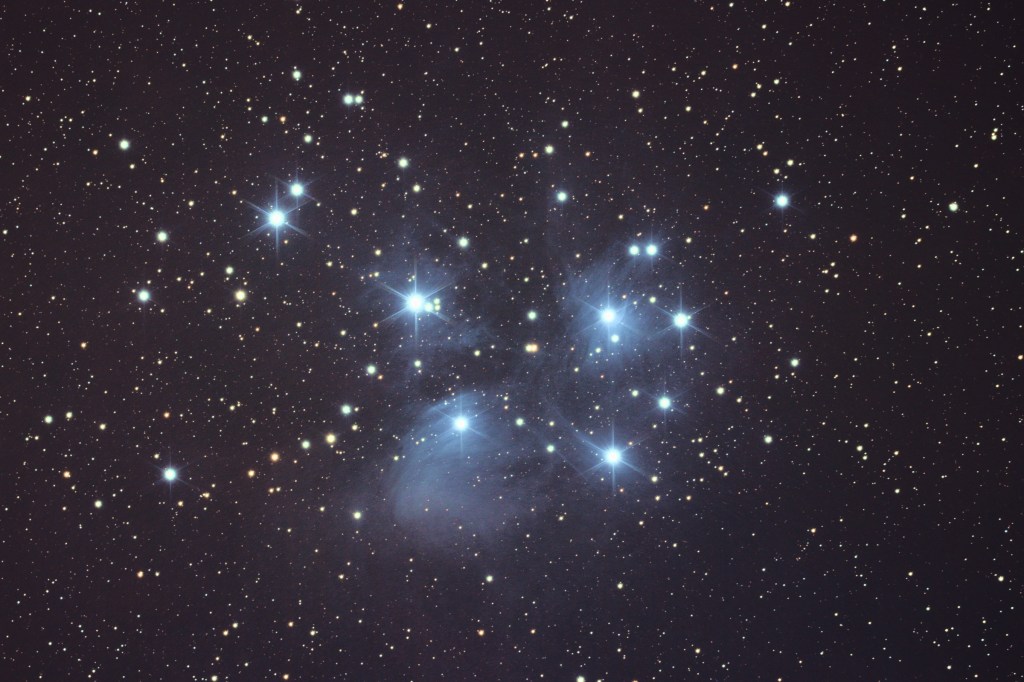
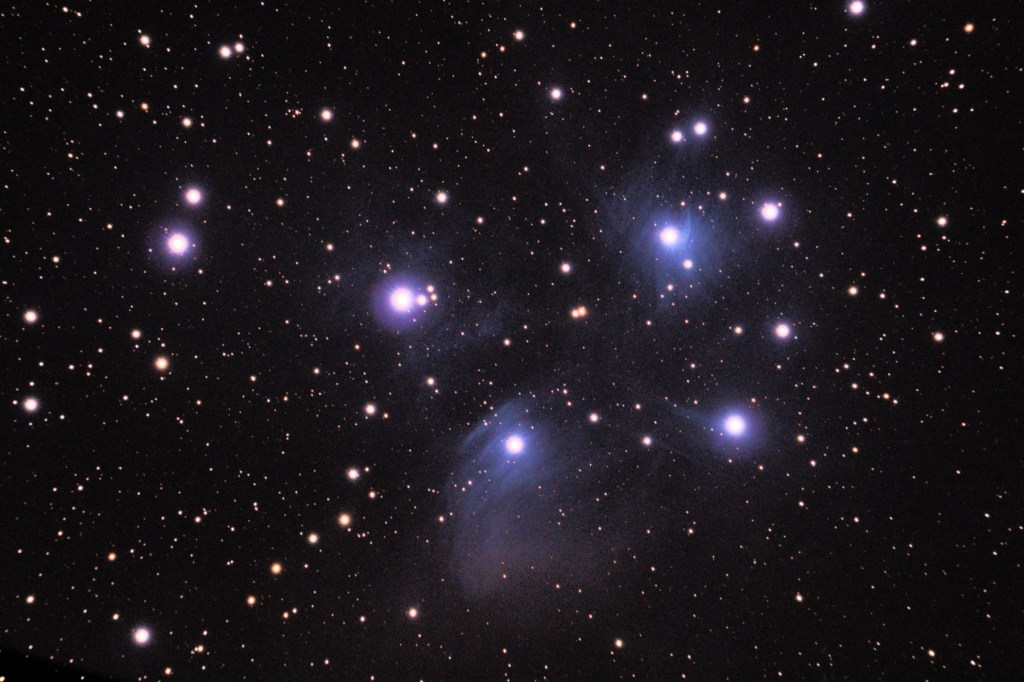
For the Pleiades (M45) I used the Canon 90D. Since there is not any hydrogen alpha to capture, I did not need the astro-modified 60Da. This is a stack of 185 with basically the same settings.
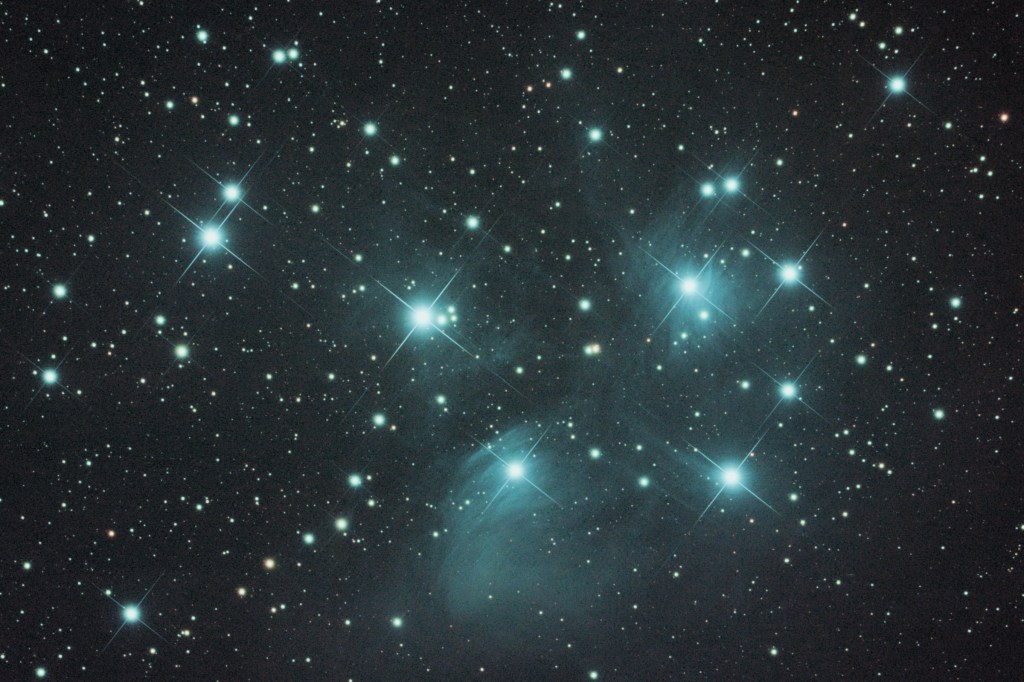
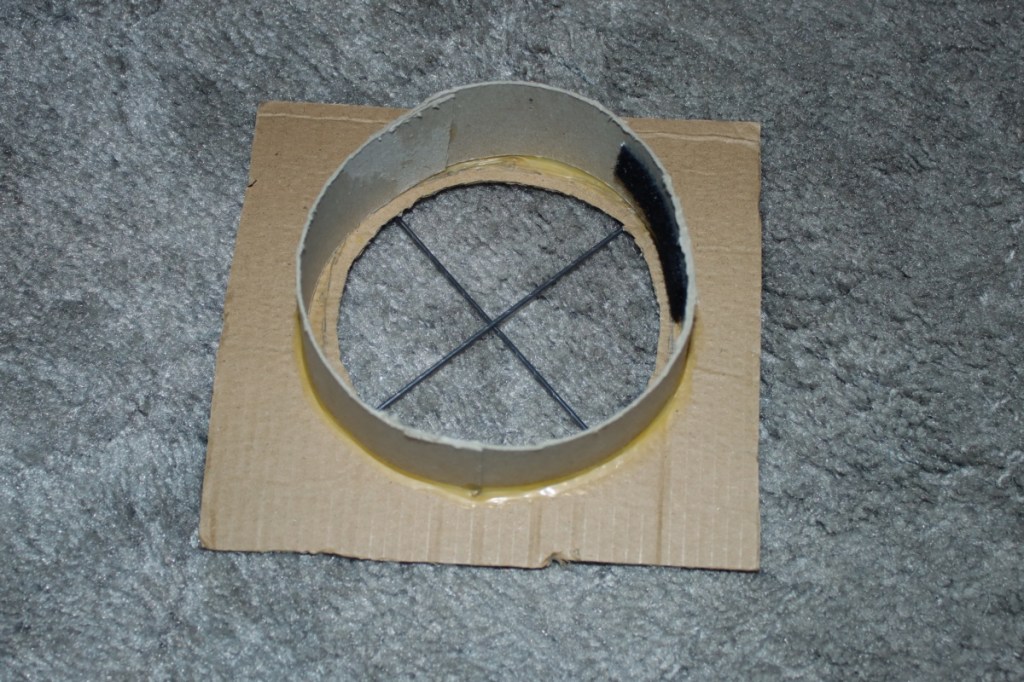
I use an adapter I made to get the diffraction spikes. I just like them. It is only fishing line in front of the front element.
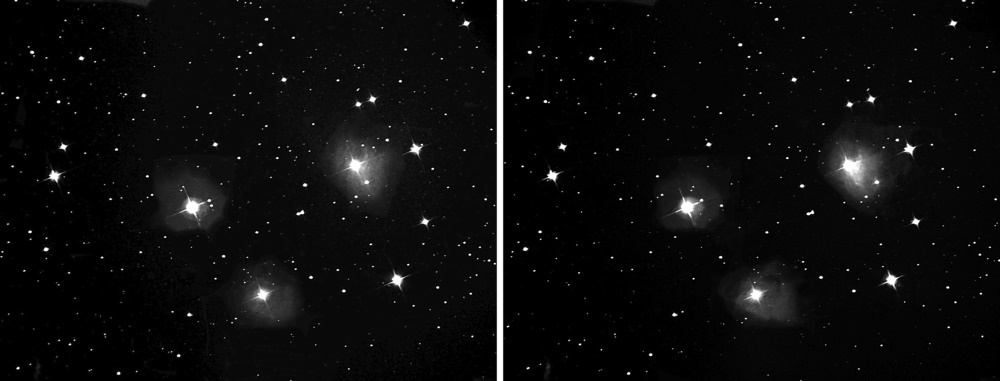
I also did some playing. A few years ago, I wrote a novel that nobody was interested in but for the story I created orbital elements for a mystical black hole that would pass through the solar system and take out Earth (I took a comet’s orbital elements and altered them until I got the desired orbit. It took days!). Just for fun, when I have some time in between imaging sessions, I photograph the novel’s discovery location to see if anything passes by. I try to get images a day apart and two or three hours apart. I finally got one! It was very dim. The area is near the border of Aries and Taurus. I used stereo viewing to find it. I make an anaglyph with the two images combined. If there is an object that moves, one will be colored cyan and the other red. I then had to find out what it was. Finally the Minor Planet Center’s MPChecker told me what it was. Asteroid 1122 Neith was passing through. It is a 13.9 magnitude, 12 mile in diameter asteroid, discovered in 1928. Below is the complete image, followed by a cropped version with the three observations cloned to the same image (correct locations) to show its movement. It proves that a person could discover a 14th magnitude asteroid or comet with modest equipment if ATLAS, PANSTARS or one of the other search consortiums didn’t find it first.
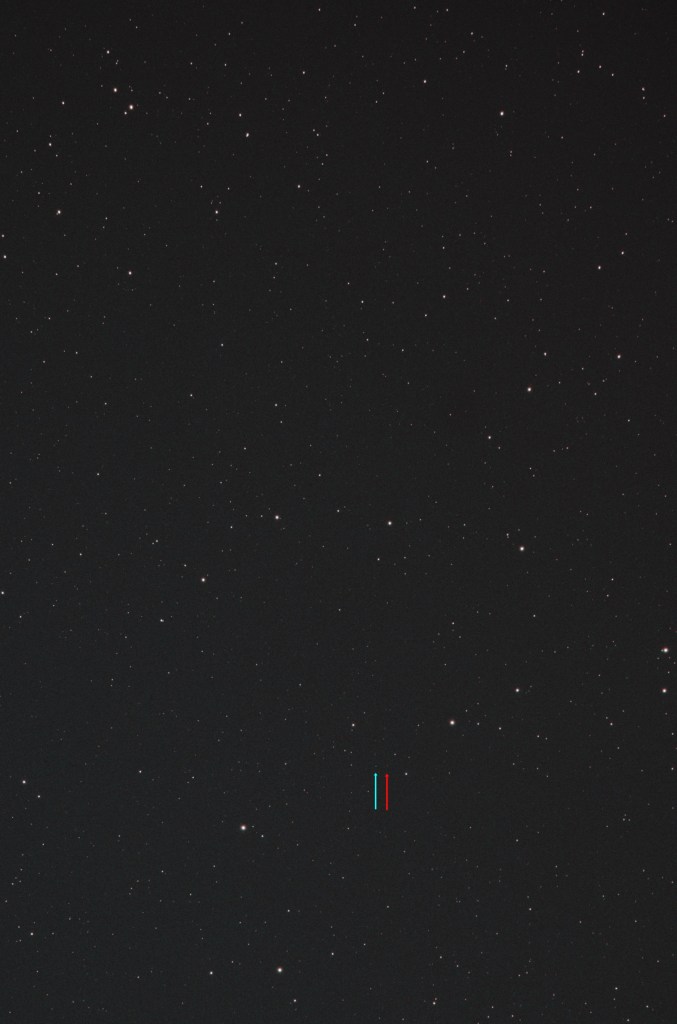
You have to look close! there is a cyan dot and a red dot.

Left “dot” is from the 24th, the next two are from the 25th, three hours apart.

Do you see the two colored dots in the center? They are only about two arcminutes apart.
Nov. 22
Fighting bad weather again. That means it is time to restack old images. I selected images taken in November and December last year and added to some I took this year. This is a stack of 88 images with the Astro Tech AT80 EDT and my Canon 60Da. All were 60 second exposures at ISO 2500. I stacked about 46 from 11/28/24, 31 from 12/6/24, and 22 from 11/13/25. I stacked the best 90%. Again I attached the diffraction adapter I made to get the diffraction spikes. Last year I used a six spike adapter, this year a four. The second image is last year’s stack of 112. I only use the adapters for one set. Then I take other sets without and the third image is one of those stacks. Which do you like?


I am hoping for some clear weather. I want to add at least another 50 images to my above stack. I would even add a couple hundred but my luck with the weather may not allow that.
Nov. 12
Last nights aurora caught me off guard. We were having company for dinner and I didn’t hear about it until it was winding down. This was the best I could capture before it faded away. Canon 90D, 28mm f2.8 lens, 1.6 seconds at ISO 2500. Should have exposed for longer.

Nov. 2
Comet Lemmon is deep in Grand Junctions light pollution from my site. I still tried last night. This is a stack of 15, 10 second exposures at ISO 1600. Canon 60Da, Canon 70-200mm lens at f2.8.

Oct. 19
I traveled out to Highline Lake State Park to get away from light pollution but my mount failed to polar align so I was only able to image with a 24mm lens and the Canon 90D on a tripod. This is a stack of 9, 30 second exposures. Notice all the airplanes and satellite trails.
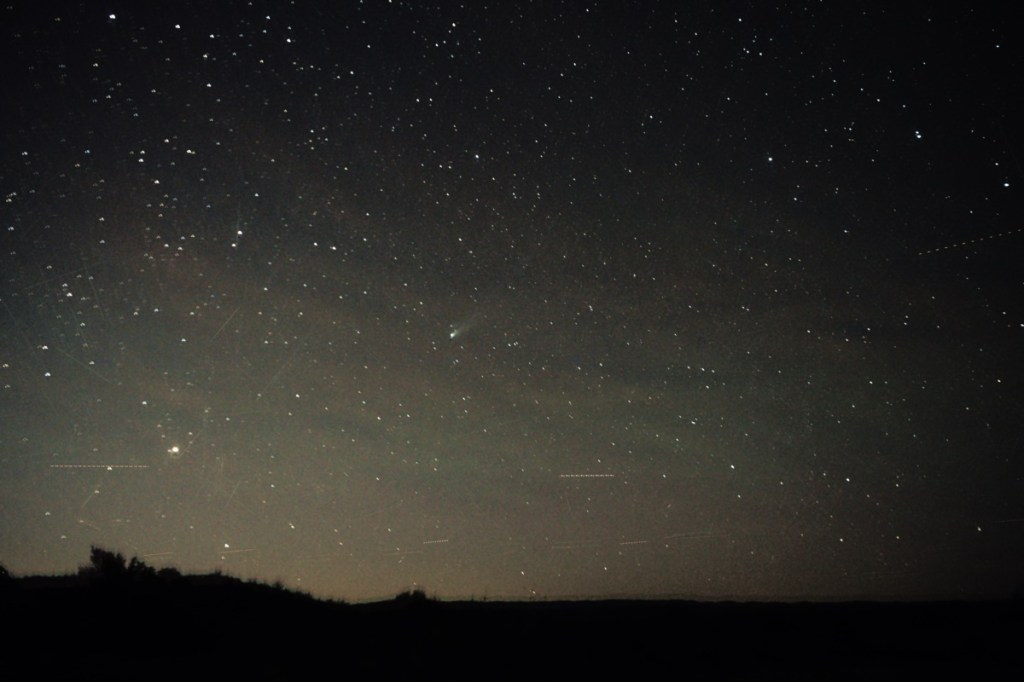
This is a negative image to show the satellite constellations that plaque us. If you look closely you can see dozens.

On the left it looks like scratches but they are all satellites.
Oct. 17
Comet Lemmon (C2025 A6) has been difficult for me to image due to its location. There is only one area in my yard where I can set up to capture it. This is a stack of 18, 30 second exposures at ISO 2500, through the Astro Tech AT80EDT. I tracked on the comet.

I also imaged the Double Cluster and M45 that same night.

Astro Tech AT80 EDT, 384mm, f4.8, Canon 60Da. Stack of 67, 8 second exposures at ISO 1600.
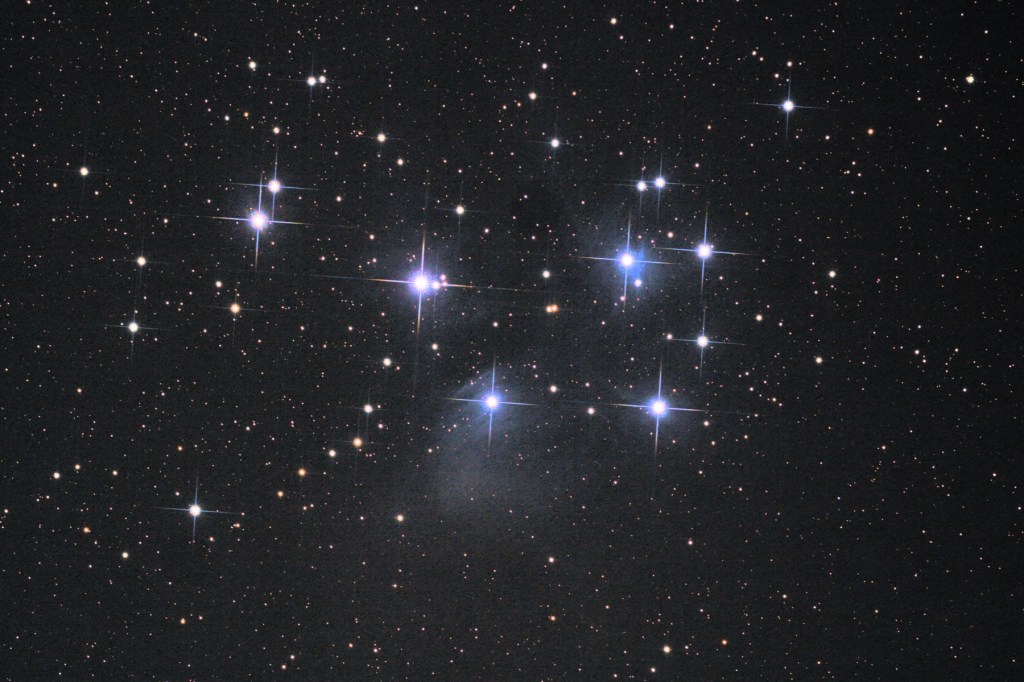
The same set up. A stack of 38, 30 second exposures ISO 2000. The diffraction spikes were created with a homemade adapter on the front of the scope.
Oct. 13
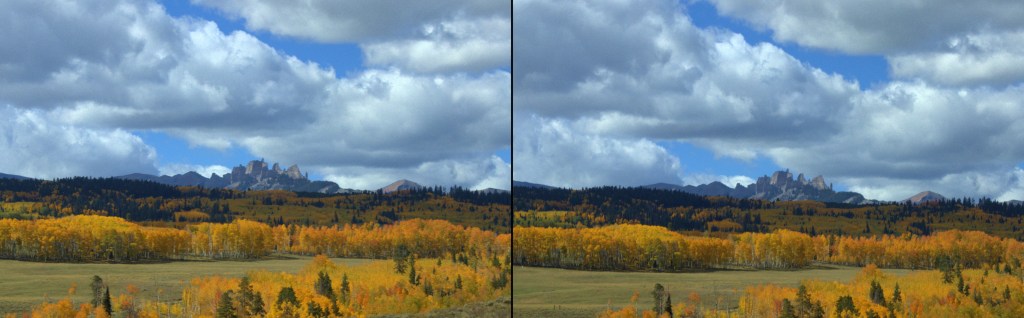
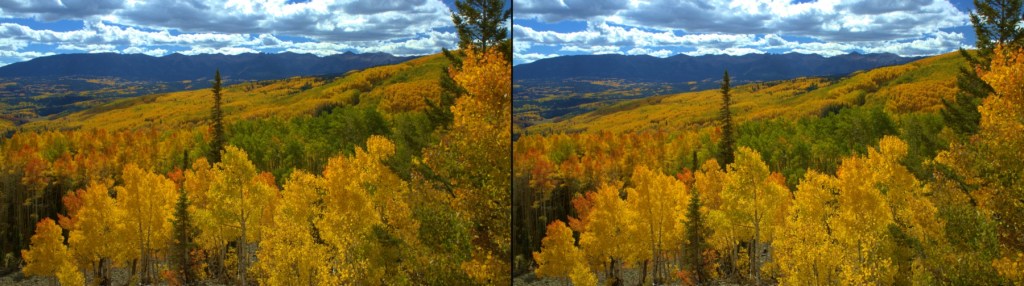
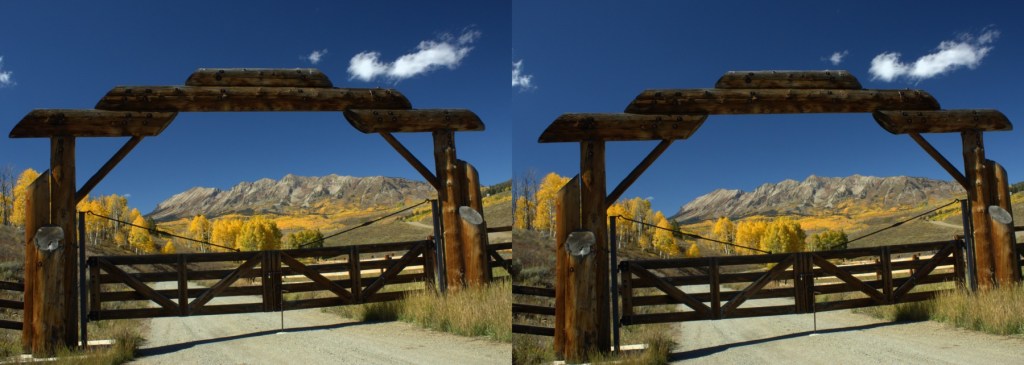
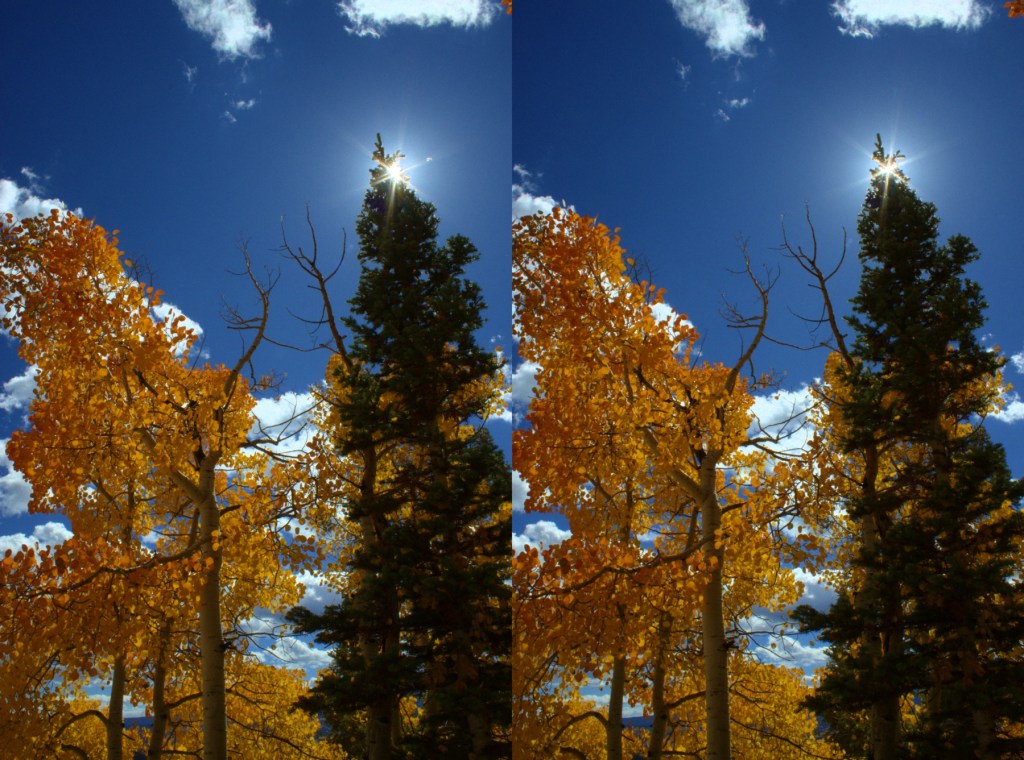
With the full moon and a couple inches of rain this week, my observatory is closed. We did take a trip to Gunnison Colorado to see the colors. Here are a few highlights.
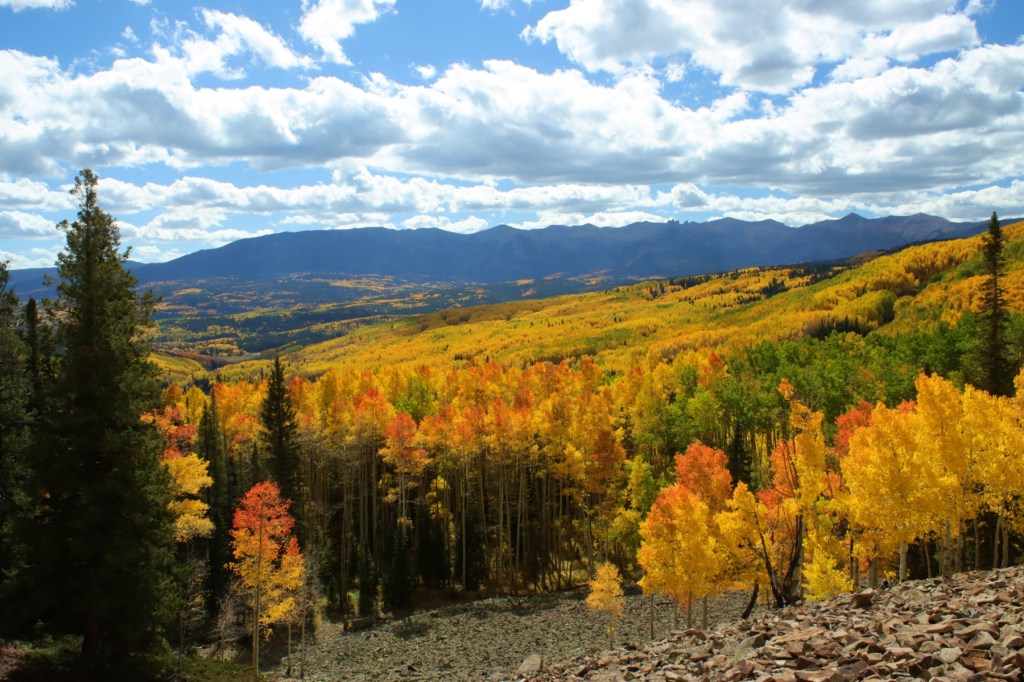
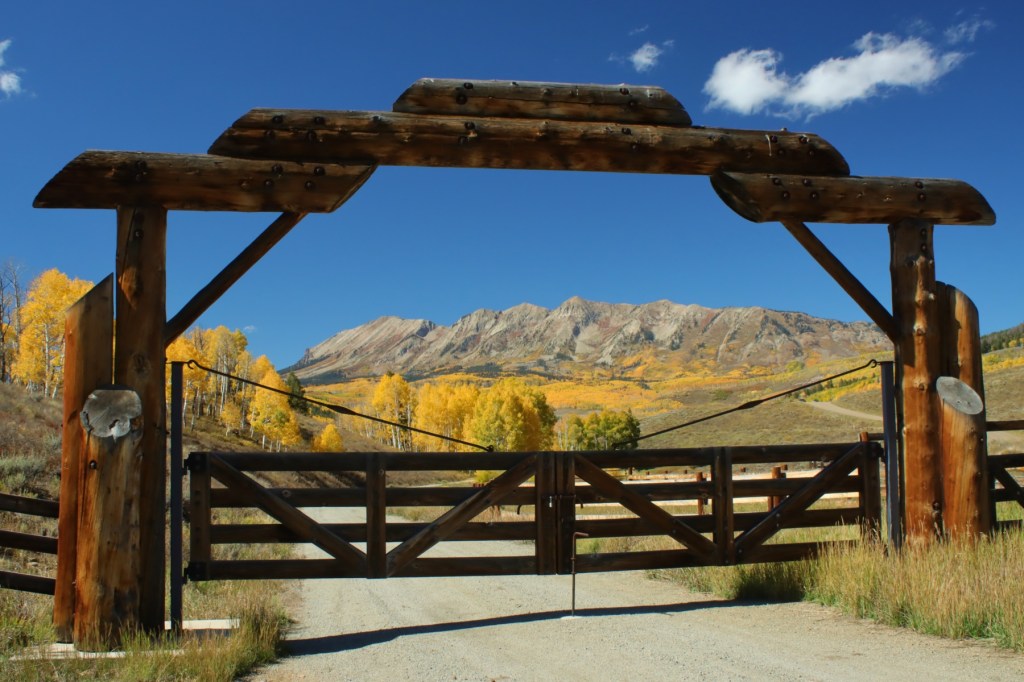
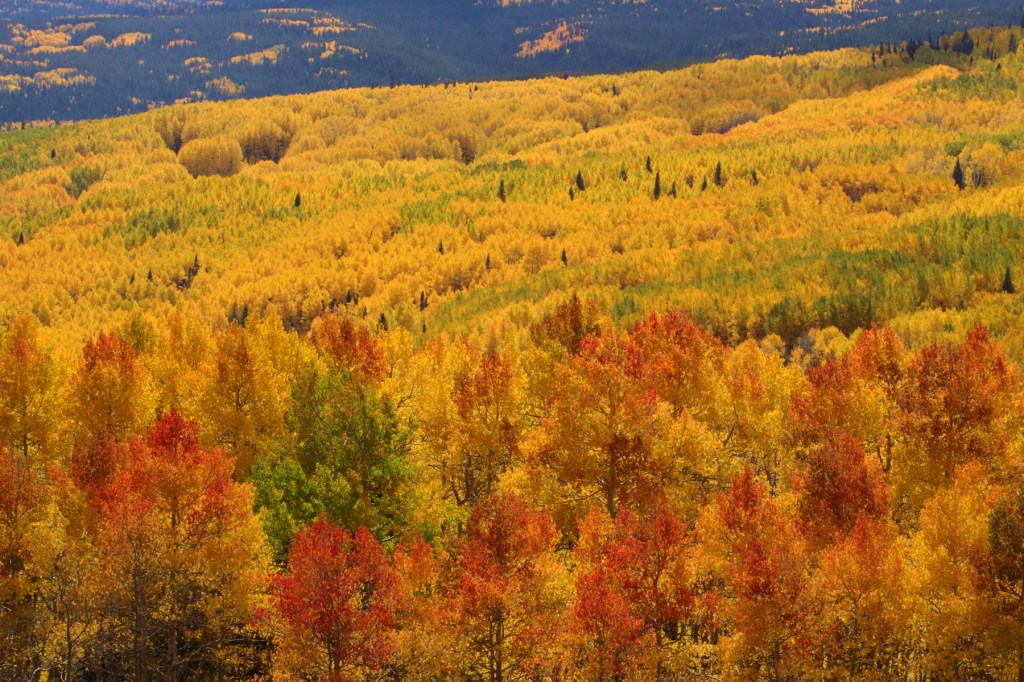
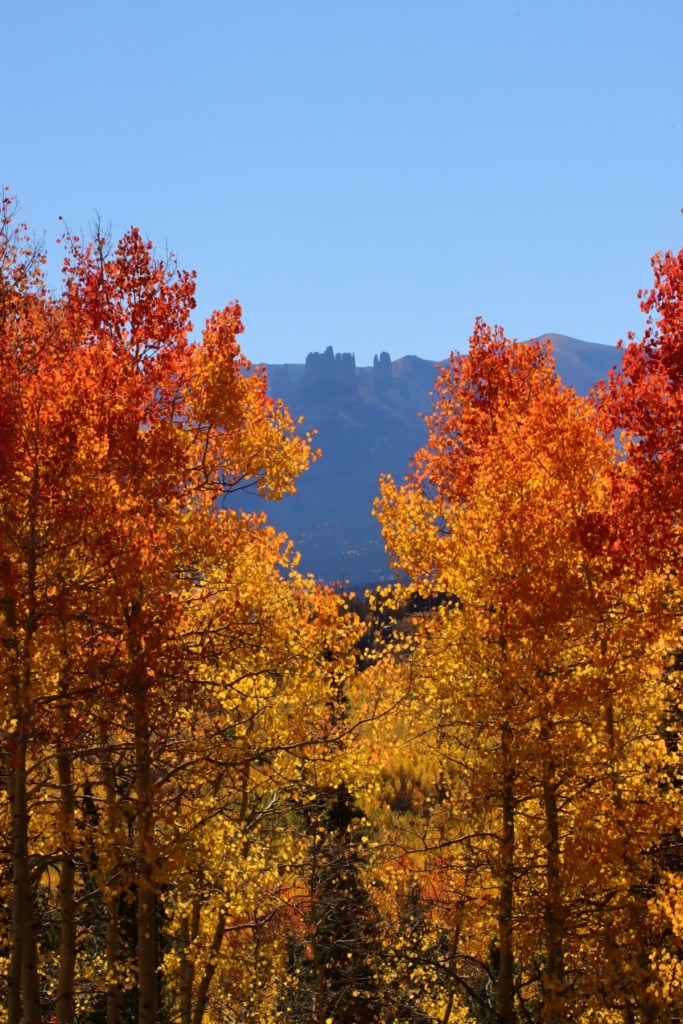

Here are a few stereo images. First parallel images and the cross view.
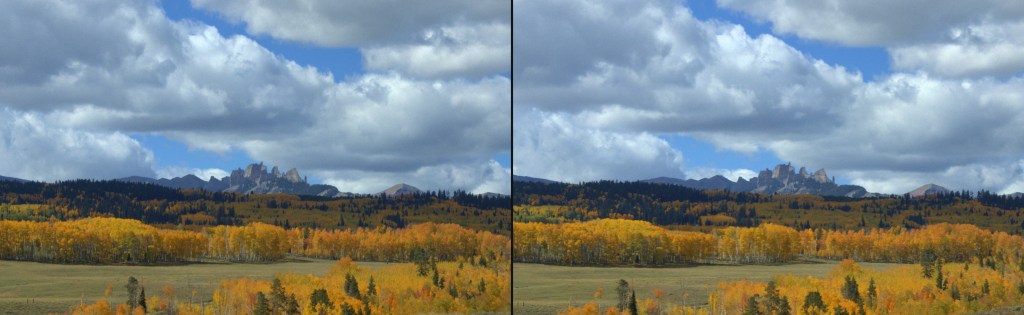


These are cross view. I have posted them a little larger since cross viewing is not limited to the distance between our eyes.

Sept. 21
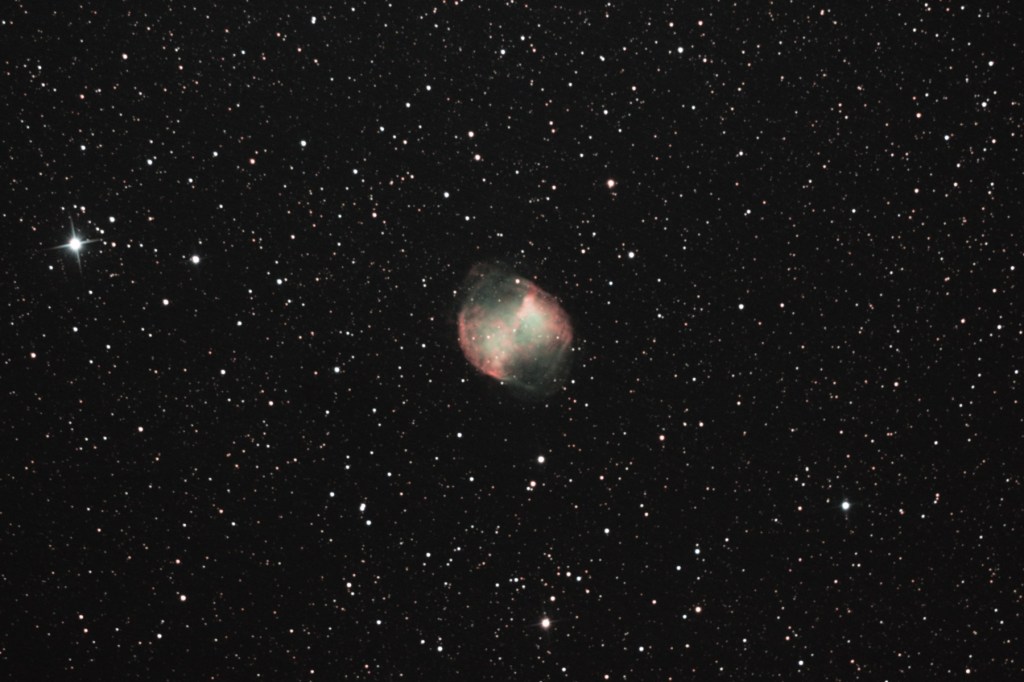
The weather is finally clearing up. I was able to get out twice this week. I combined two nights of imaging to get this image of M27, the Dumbbell Nebula. It is a stack of 73 images ranging from 30 to 40 seconds through an 8″ f4 Newtonian. ISO 2500. The camera is a Canon astro-modified 60D.
This is M33, The Triangulum Galaxy. It is a stack of 33 images, ISO 2500, 40 seconds each. I am hoping to capture a lot more images to stack. This galaxy needs several dozen to stack. Still, a lot of HII regions (collections of hydrogen gas where nebulas like our Orion and Carina Nebulas are formed) are visible from 2.73 million light years away!

Both of these would be easier to image if I did not have to contend with light pollution. I have to use a filter which limits me from taking longer images. I can counter this with more images to stack. As we enter my favorite time of year, I am hoping to capture the following subjects over multiple nights: M27, M33, M31, M52, M45, M1, Double cluster in Perseus, M42, Horsehead Nebula, and a wide angle view of the entire Orion Complex. It will be a busy Fall!
August 19
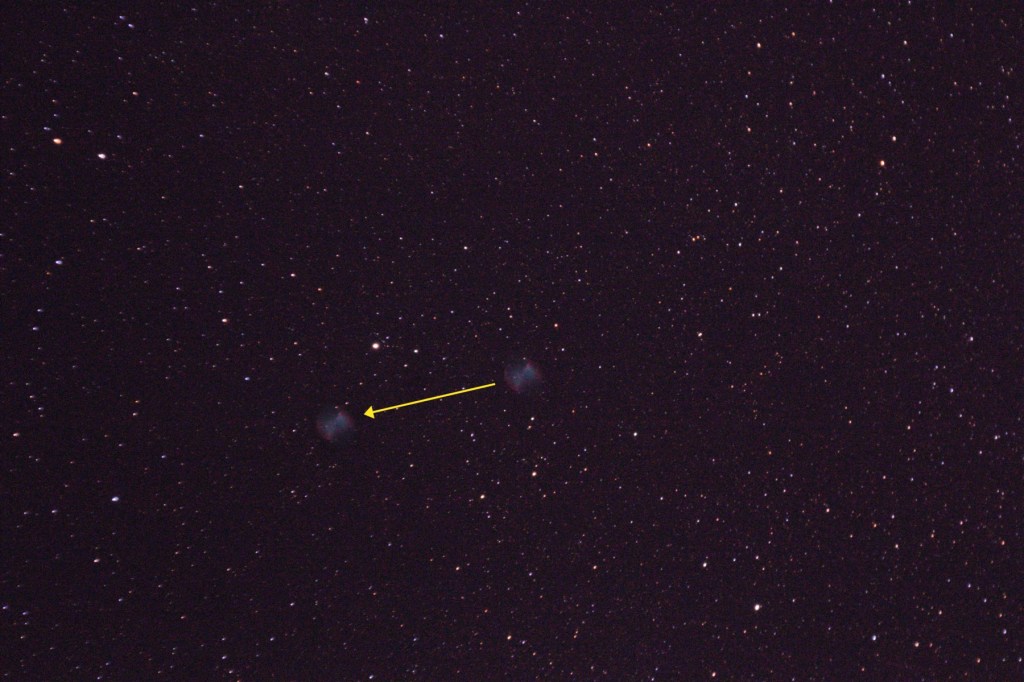
I briefly set up my scope for a test of the alignment. It did lose its alignment from being removed from the pier and then replaced again, even though it was mounted exactly as before with reference marks for accuracy. M27 drifted about 28 arc-minutes in the 64 minutes of exposures. A stack of 72, 20 second exposures at ISO 2000. Canon 60Da, no filters. Astro Tech AT80EDT f6 refractor. I estimate the stars drifted about 8.75 arc-seconds during each exposure. I pulled out the mount when I finished. The next day the observatory reached 120 degrees F with air temperature of about 102.
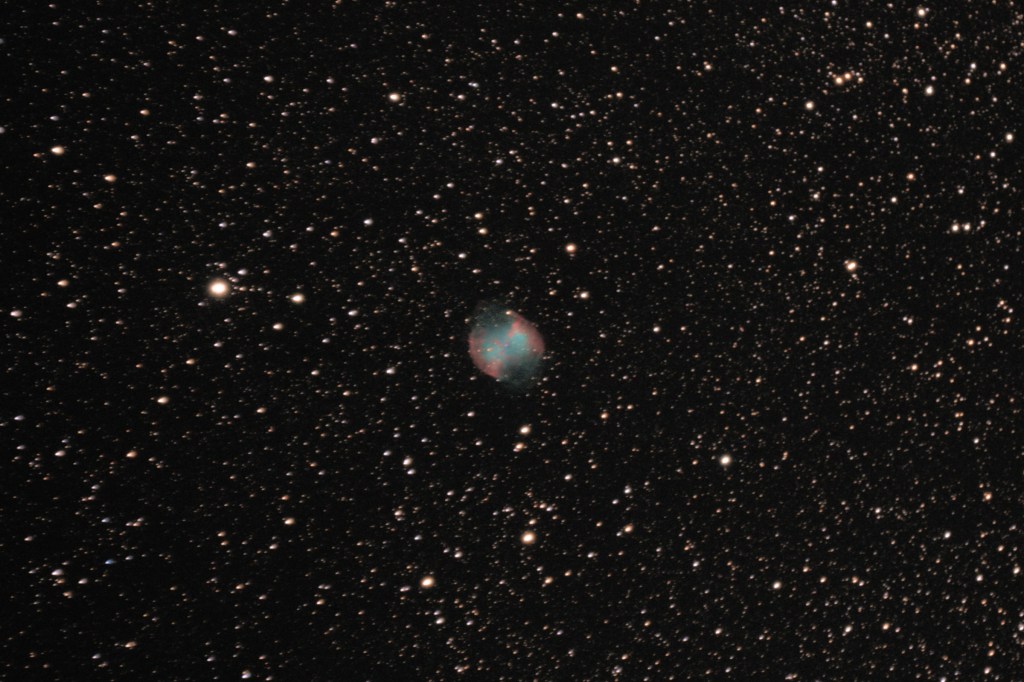
Image was cropped. Next image is one frame of the imaging run with an accurate clone after the drift added to show amount of drift. What is amazing is just how well the image stacks, even with drift.
August 13
Jupiter and Venus were finally visible this morning. Still a lot of smoke in the air but not enough to add a reddish tint. Canon 90D, Canon 70-200mm lens at 70mm. Some at f2.8 and f4.5. 14 one second exposures at ISO 2500. Tripod mounted.

Hummingbirds in 3D
Since the weather is not conducive to astrophotography, I am filming hummingbirds in stereo or (3D if you prefer). I set the GoPros up as close together as I could get them to increase the apparent size of the birds. Most are barely larger than my thumb. I captured many but this guy was the most active. They were also fighting with wasps (or yellowjackets) for the sugar water. The first pair are parallel, the second is cross view. The anaglyphs are not turning out well. Too mush red and green.
July 30
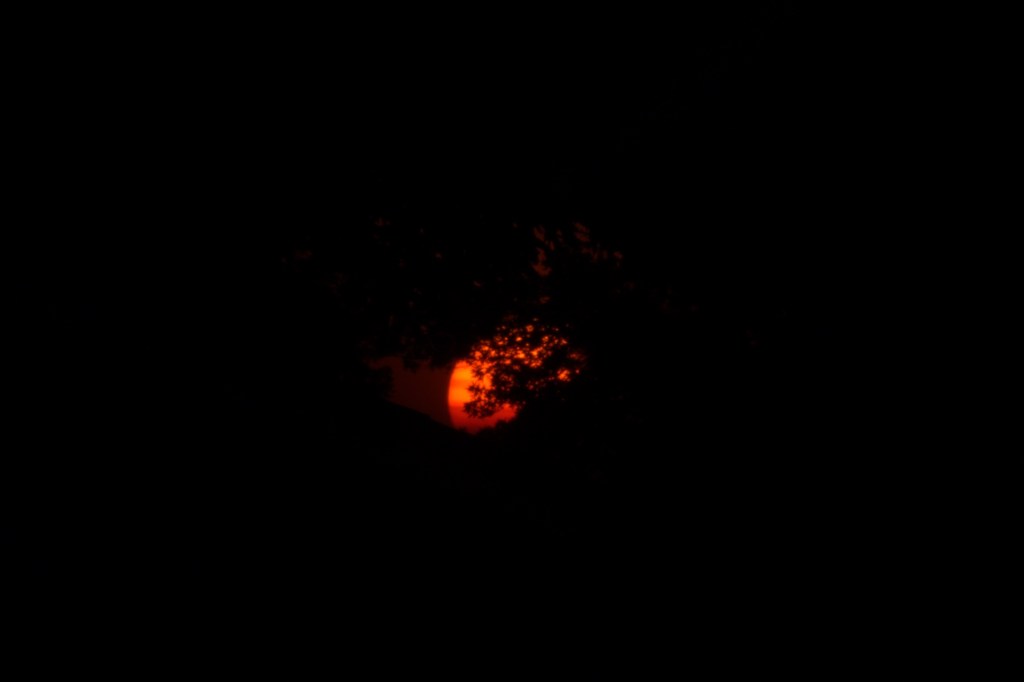
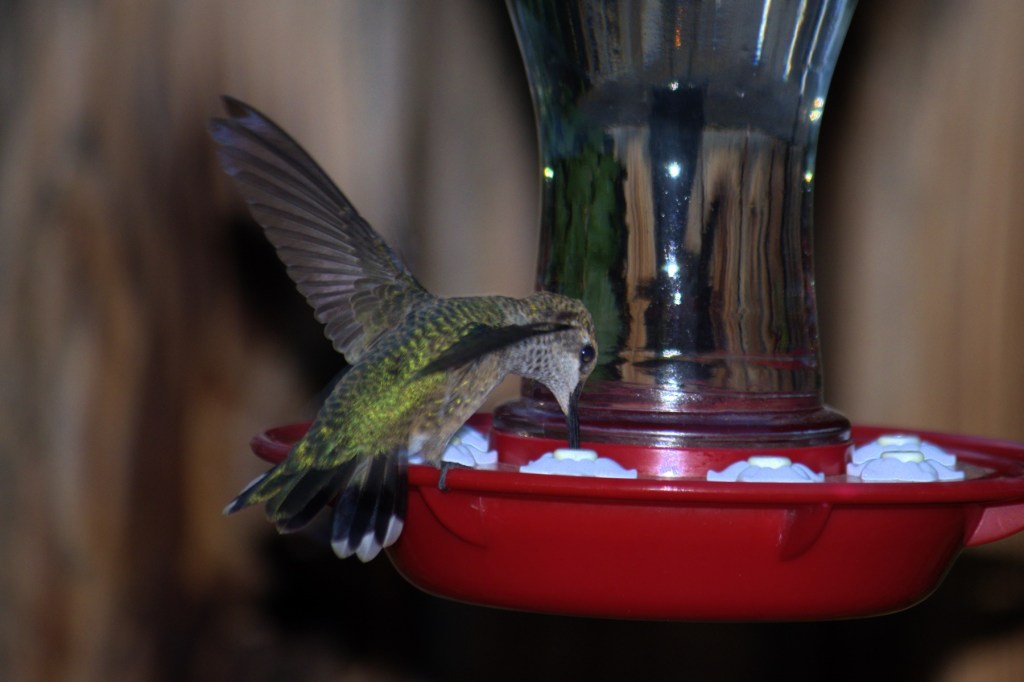
Our view of the western sky is blocked by a house and trees. This is the only view I had of the sunset through thick smoke. I could not capture the exact look. It was more of a blood red. After the sun set, a hummingbird had a drink from our feeder. I had to use a flash.
July 29
Forest fires in the area are causing smoke filled skies. I expect better skies in about three weeks. My favorite time of the year is Fall. We have beautiful and clear skies. Expect many astrophotos starting in September.
July 10
Since the temperature in my observatory has been hitting 120 degrees during the day from 100 degree outside temperatures (49 and 38C), I pulled the scope and mount out until next month. Can’t wait for Fall. Gives me time for another hobby, stereo videography! I went up to Rifle Falls State Park and dropped my Go Pros in the creek below the Falls. I aimed up and down stream and these are the results. The anaglyphs did not turn out well but the parallel and cross views are excellent. Parallels will be posted first (they are smaller for easier fusing of the images).
The current forced the support to lean. After I pulled the cameras out, I noticed a screw had fallen out. I am lucky that I did not have to go fishing for my Go Pros (which I have done before). Here is an edited version of that “fishing trip.” The camera panned just right to follow a small trout as it floated down Taylor River near Gunnison CO.
June 2
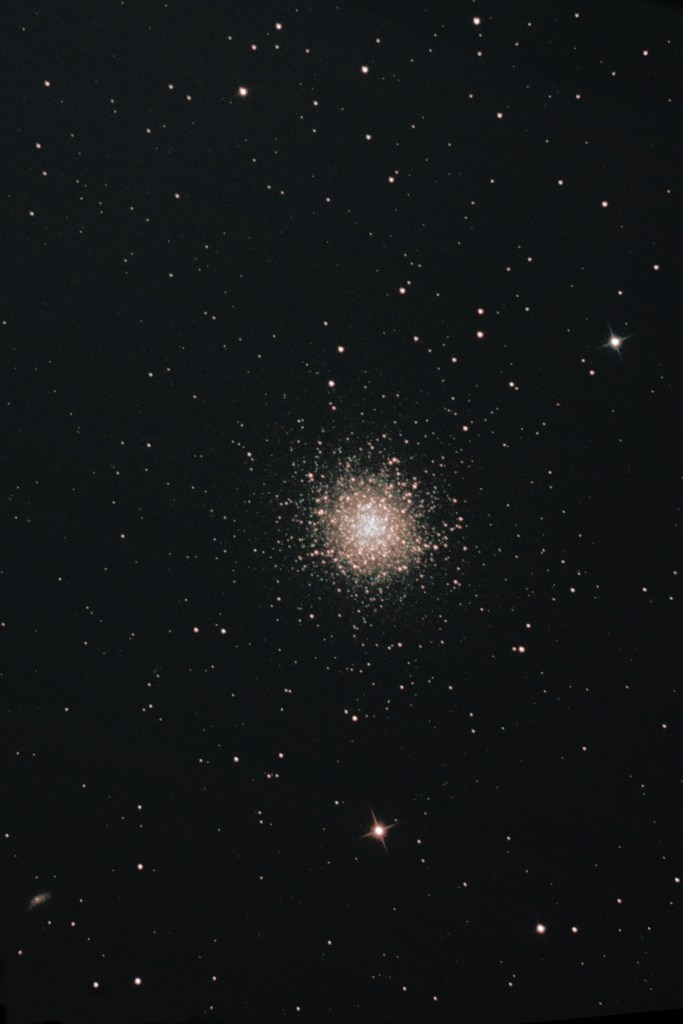
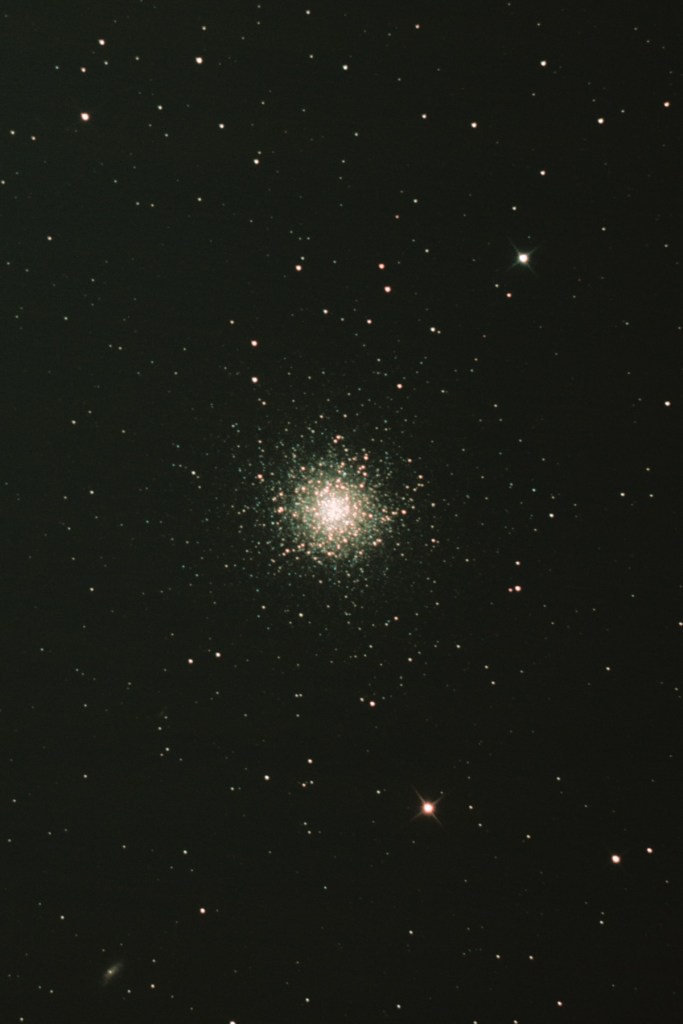
I stacked 110 images from three different nights to see if there is significant improvement. First image is the stack of 110, from March 24, April 19, and May 30, 2025. The second is from April 19, 2025. I see a lot more detail in the core. The images from March were 15 second exposures at ISO 1250. April 19th were 20 seconds at ISO 1600. May 30th were 15 seconds at ISO 2000. I think the shorter and lower ISO bring out the core, while the longer exposures with a higher ISO bring out the background galaxy and dimmer stars.
May 30
Finally some clear skies. Forecast is for rain tomorrow and a waxing moon for several days.
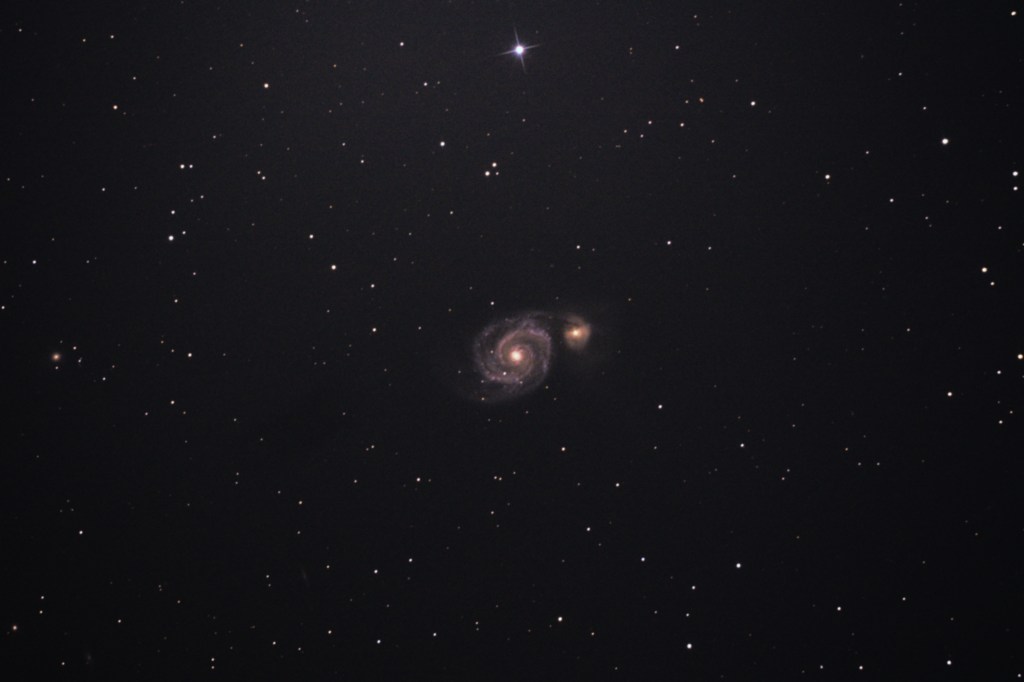
Took more images of M51 and m57 to add to some I took earlier in the month. Both with the 8″ Newtonian and Canon 60Da. Stack of 40, 30 second exposures for M51. Stack of 27, 15 second exposures for M57. ISO 2500 and 1600. Both are cropped slightly. An f4 Newtonian has a wide field.
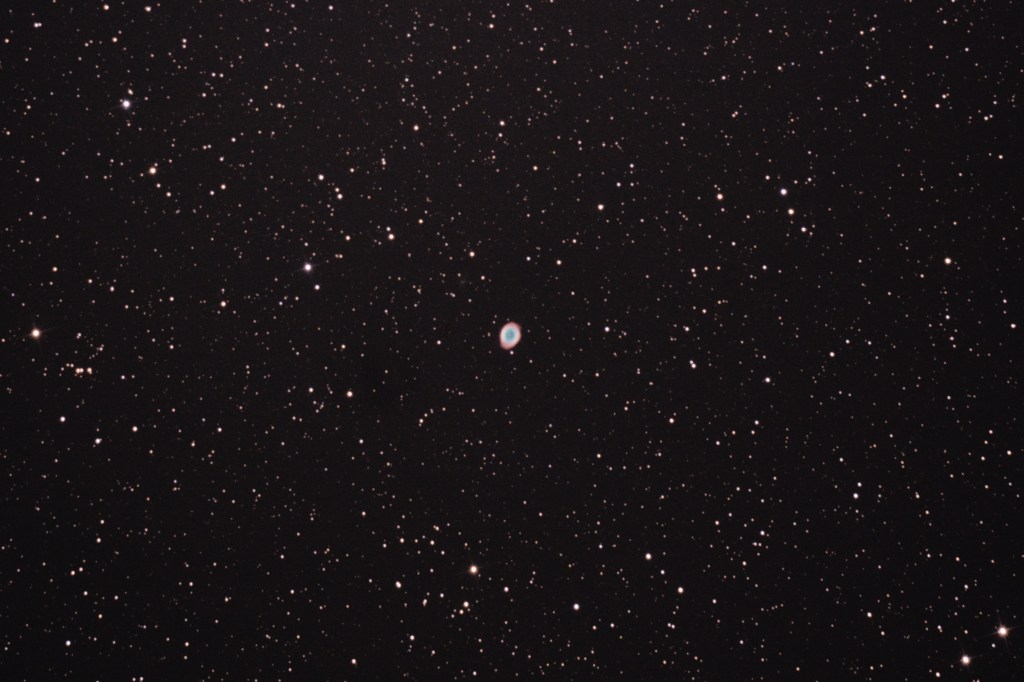
May 26
Had less than two hours of clear skies. I was able to capture M104 with rather short exposures because of light pollution. 8″ Newtonian, Canon 60Da, 25 second exposures at ISO 1600. Stack of 45 images.
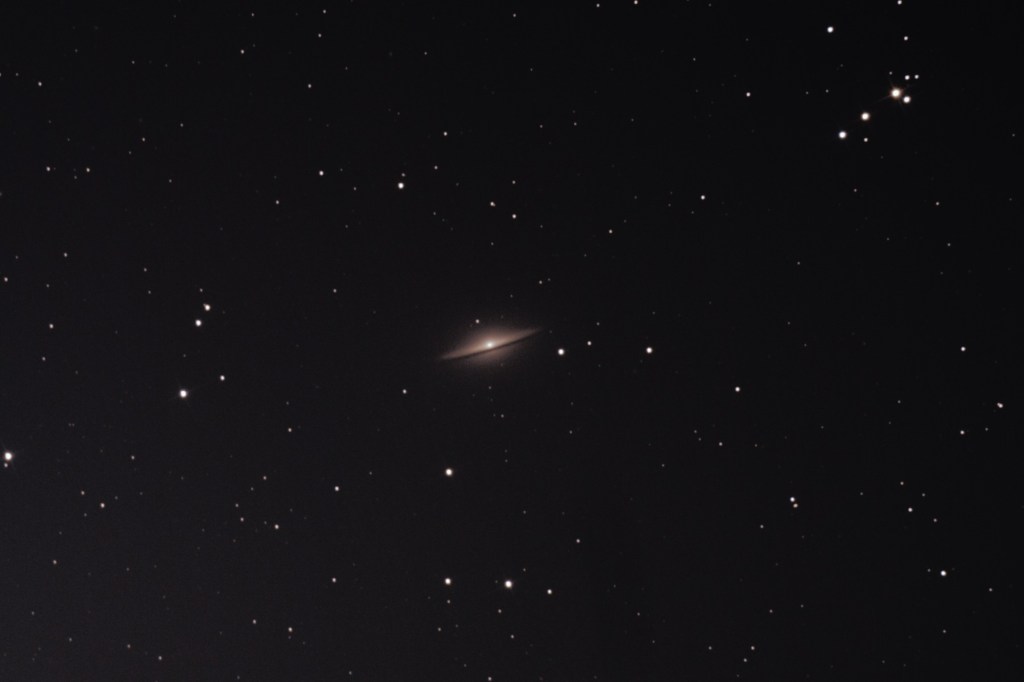
May 22
Just a quick note. After the 2nd, the moon was too bright. Then, no clear skies since.
May 2
Finally some clear skies! And now it is to be cloudy for a week (then the moon will be nearing full). I wanted to stack many images of something to see how well my set-up works. M5 was positioned just right. I stacked 124 images through the 8″ Newtonian at f4 (with coma corrector). Canon 60D (astro-modified). 20 second exposures at ISO 1250.

Something I found interesting is it is 24,460 light years away and is 80 light years across. The star to the left is 5 Serpentis and it is 80 light years away. Can you imagine what M5 would look like if it were between 5 Serpentis and us, making us 40 light years from M 5’s center?
I only had a narrow window to catch M51. My dome only allowed 23 images at 30 seconds each and ISO 3200.

It is 31 million light years away (distances vary with the source, I also read 15 and 23 million light years) and the bright star (HP 66004) is 416 light years.
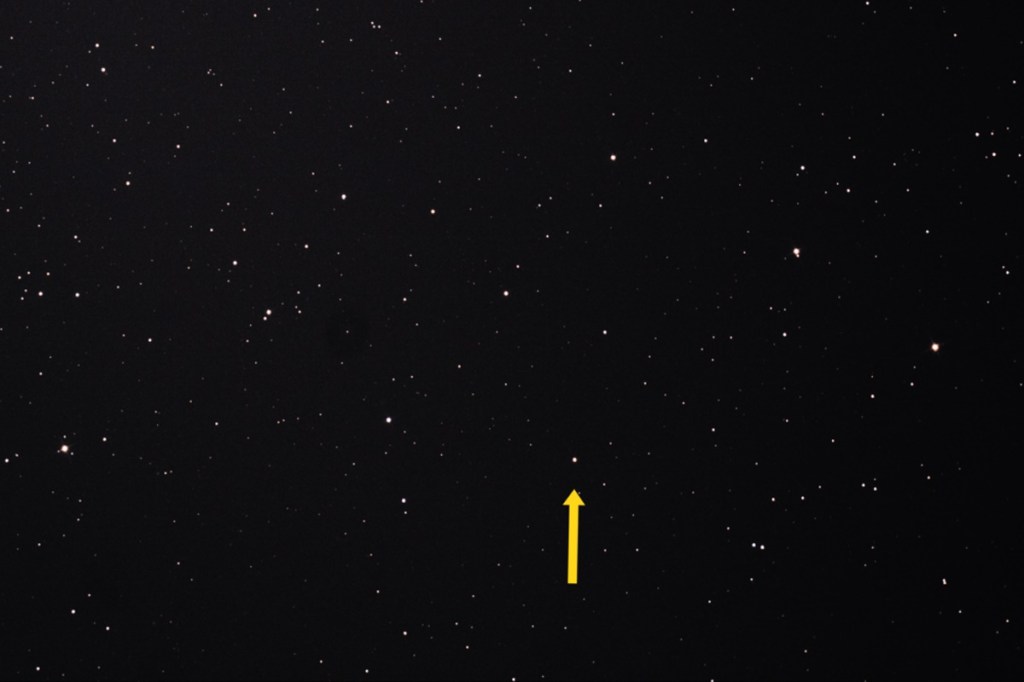
I have been keeping an eye on T CrB, the star predicted to go nova soon. Still no change. It took me a while to locate it in this image.
First images under Sky Shed Pod.
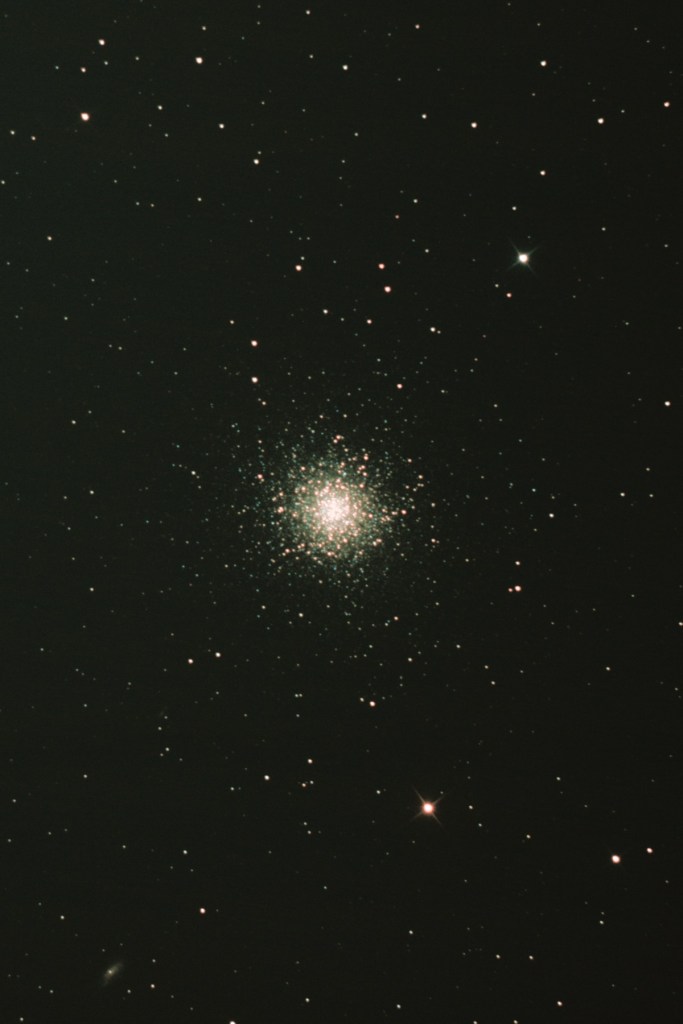
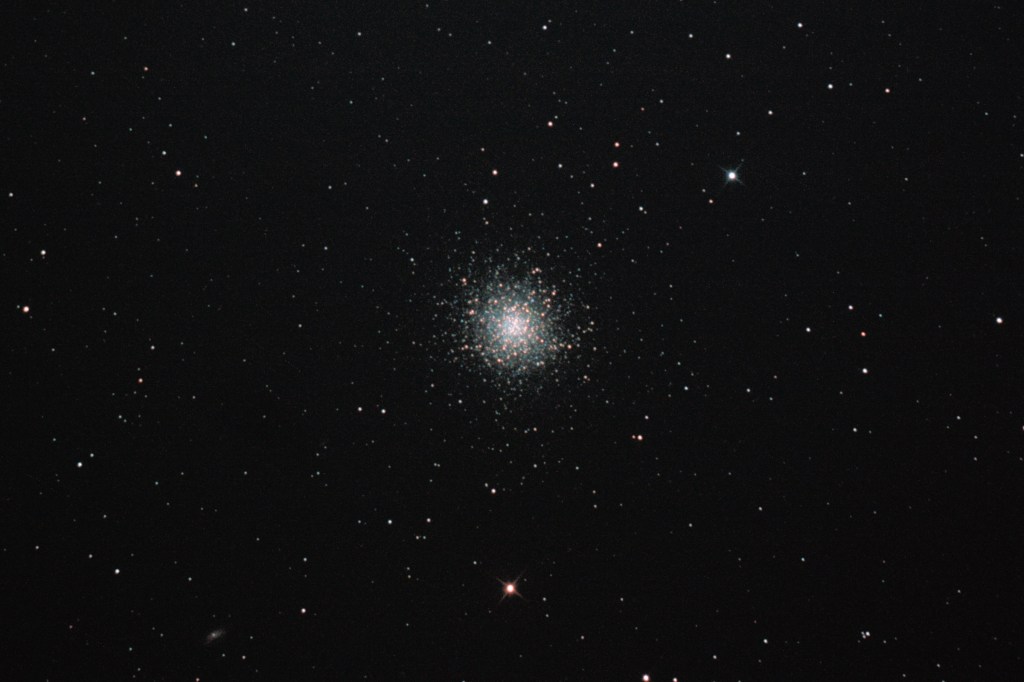
With a small break in the weather I was able to take a few images through the 8″ Newtonian. I was testing my equipment and working on alignment so M13 was a good subject. This is a stack of 82, 20 second exposures at ISO 1600. I did have the CLS filter in my Canon 60Da. April 19,2025.
On day two, I tried M81 and M82. Stack of 43, 30 second exposures at ISO 3200. Same set up. Both were into Grand Junction’s light dome so had to limit the exposures to 30 seconds. With the half dome, even though the pier is off-set, there is an area that is impossible for me to image. It is nearly overhead and north of straight up. I wanted to try M101 again and then tried M51. Both are positioned in my dead spot. I would have to image them earlier in the year. With the location of the house, I would have to wait for them to rise above the roof and before they enter the dead spot. Probably February and March. The weather will be bad again for about a week. Bummer, dude!

Sky Shed Pod
A Sky Shed Pod was donated to our club and I had first dibs. I will pass it on eventually as well. For now, I will be posting images as I prepare the ground and erect it. First, is the area where I have a pier already installed.
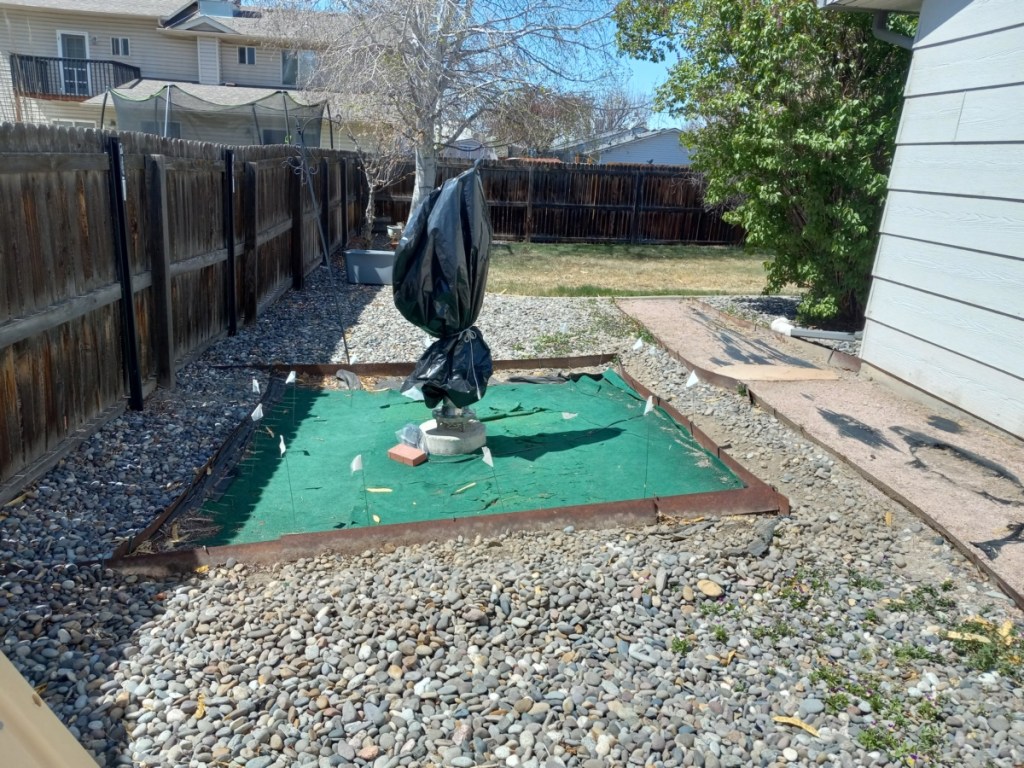
The first day was April 11th when I prepared the ground and planned on where the walls will go. It took hours to get the ground level!

The next day I packed the ground, laid the landscape material and put up a form to hold the wall support rocks and bricks. The pier will be off-set to allow images of the zenith. It will be close quarters in the southern part of the dome.

Bricks are down, leveled and water proofing around the ring is in place. I might be able to put the walls together tomorrow.
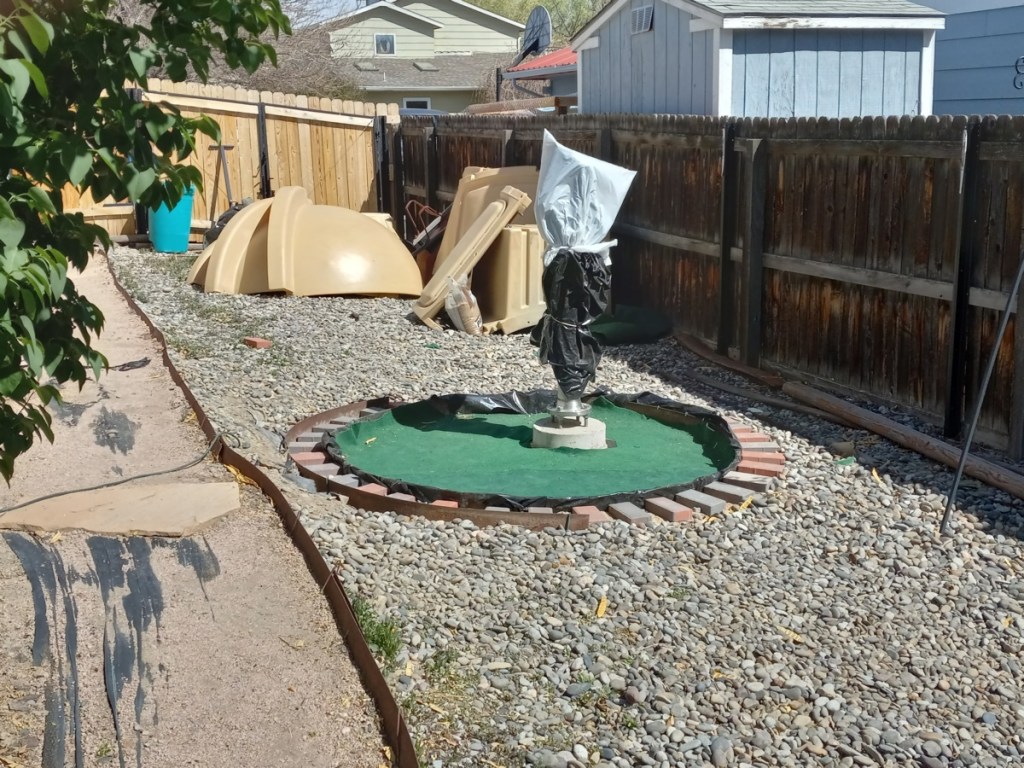
The Sky Shed Pod is finally assembled. I still have some weatherstripping and clean up to do yet. Now the weather is expecting to deteriorate over the next few days. Go figure.

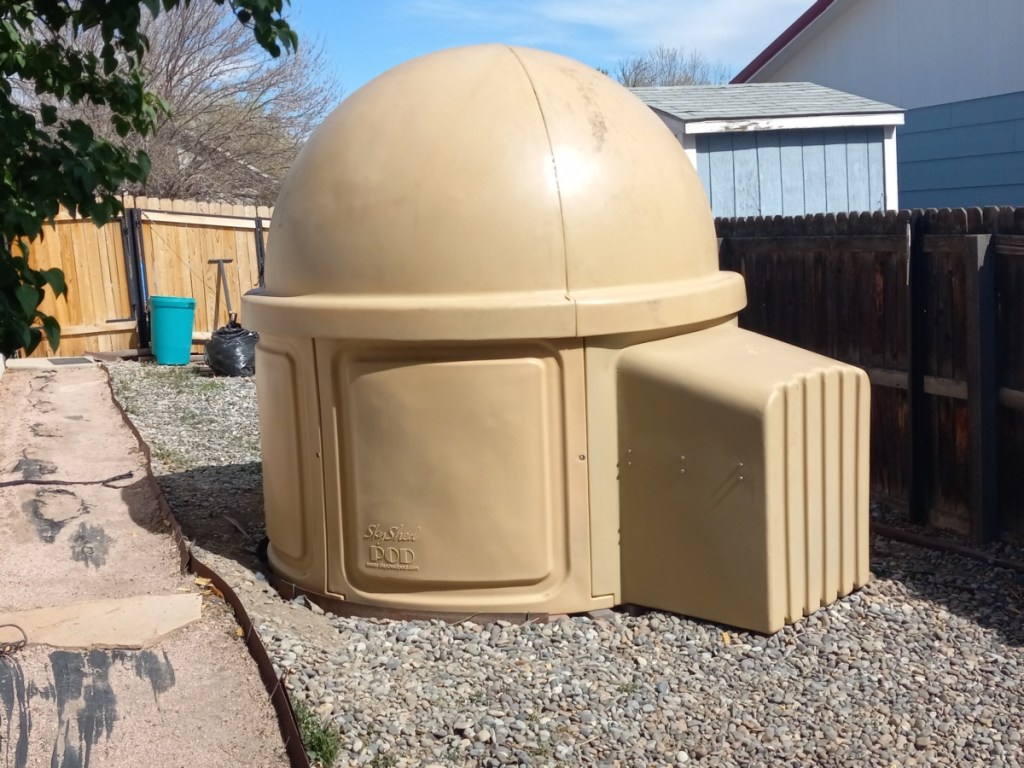
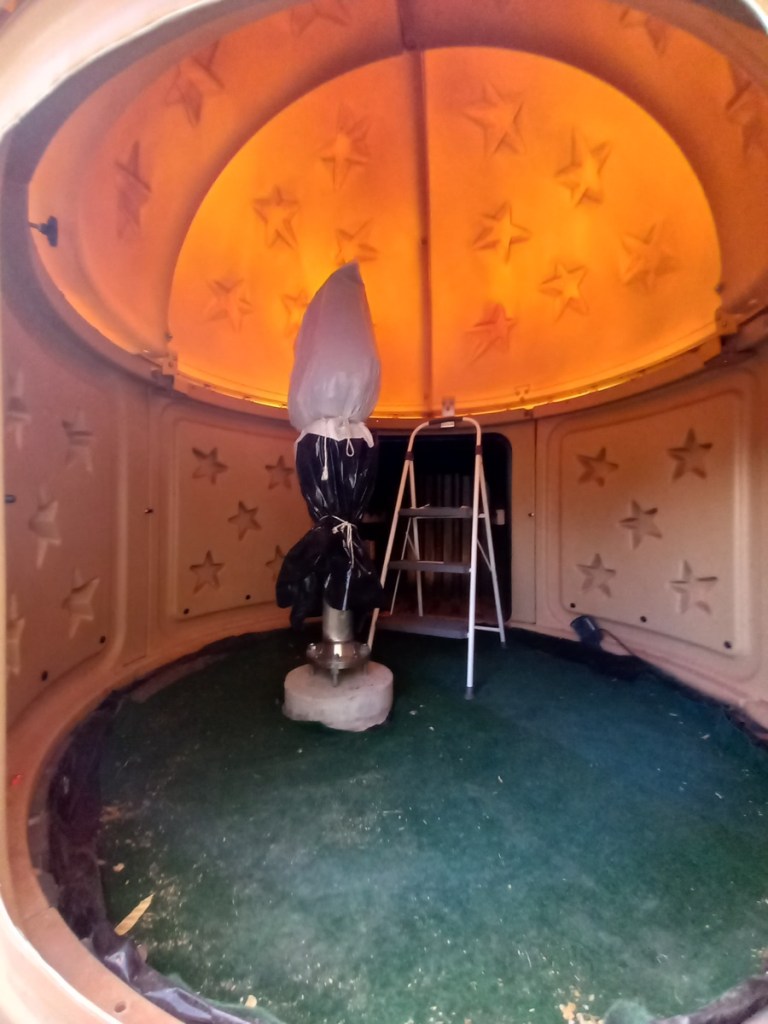
The off-set of the pier is exaggerated in this wide angle view. The off-set is about 11 inches from center.

I put down the floor a few days later. This is how it looks in use.

New Telescope and Mount
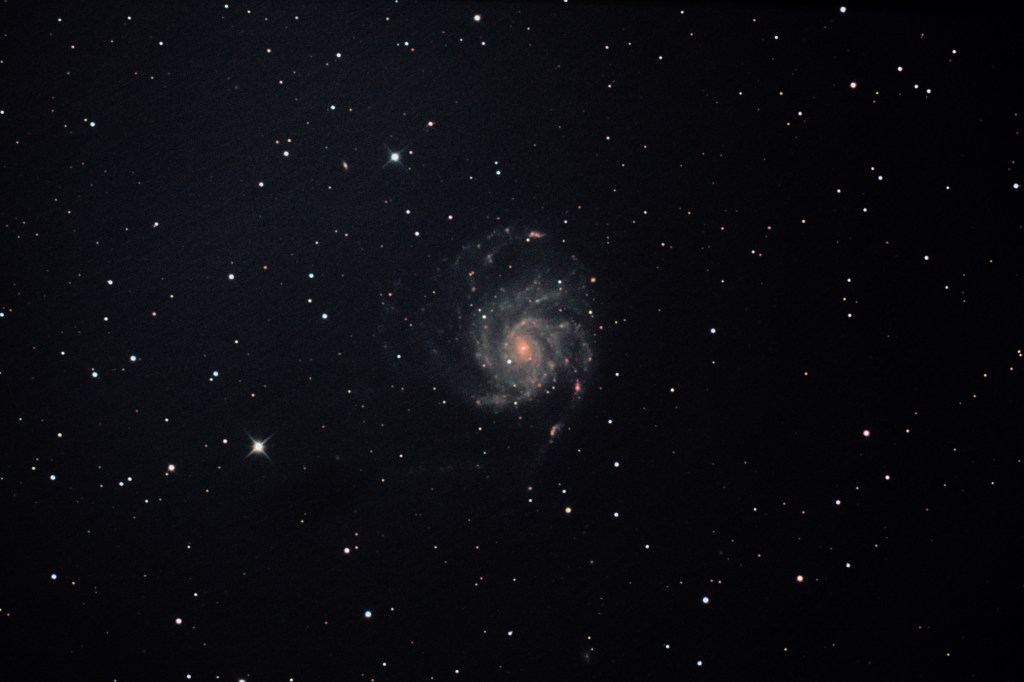
The weather finally cleared enough for a new session. M101, the Pinwheel Galaxy. Same set up as the following image of the Horsehead. This is a stack of 64 images. One minute exposures at ISO 2500.
Update:
I was able to get out a second day in a row. I was able to capture about 50 more images to add to the ones from the day before. Same settings but the final stack is 109 images.

Finally had two nights of clear skies. This is a stack of 53 images, ISO 2500, 60 second exposures. I am surprised it turned out. Orion was right in Grand Junction’s light dome. Taken Feb. 28, 2025. GSO 8″ f/4 with Baader coma corrector, Astronomik CLS light pollution filter and Canon astro-modified 60D.
M13. Stack of 23, 13 second exposures at ISO 2500.
Feb. 24, 2025. I just purchased a Celestron CGEMII mount and a GSO 8″ f4 Newtonian for imaging. I spent a lot of time setting up, aligning and getting used to the new equipment. I didn’t spend as much time imaging the first night. These are the first two imaging runs with this new setup. I always test a new scope on M42 so I can compare with other scopes. This first one is a stack of 26, 5 to 30 second exposures at ISO 1600. I used the PEC function and the autoguider.
This second one of M101 is also a stack of 26 images at 30 seconds but ISO 4000. No autoguider so I could see how well it tracks. I do not have the mount quite aligned yet. Waiting for steady skies. Expect excellent conditions tomorrow (Feb. 27).

Mars and Jupiter on Jan. 16th
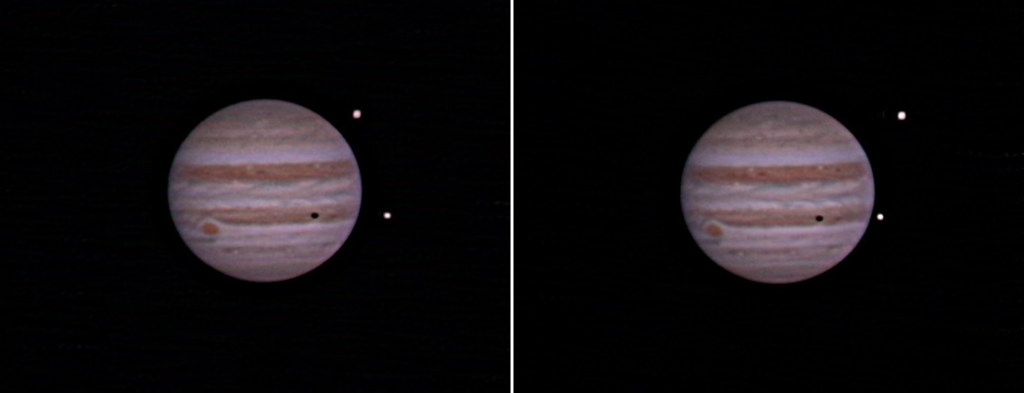
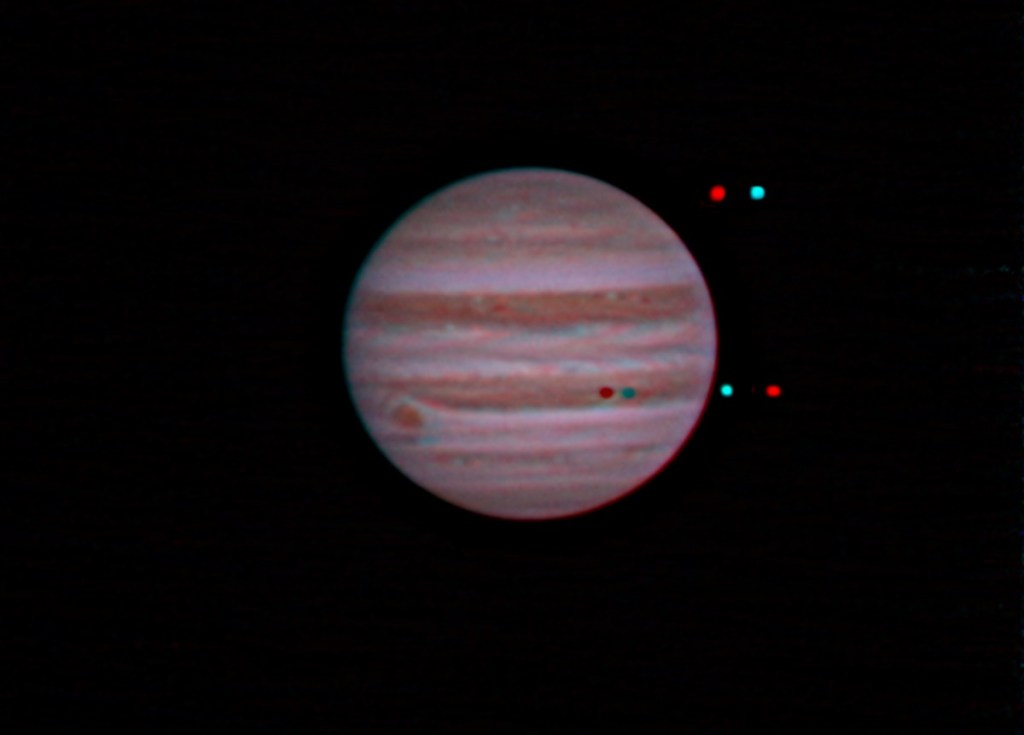
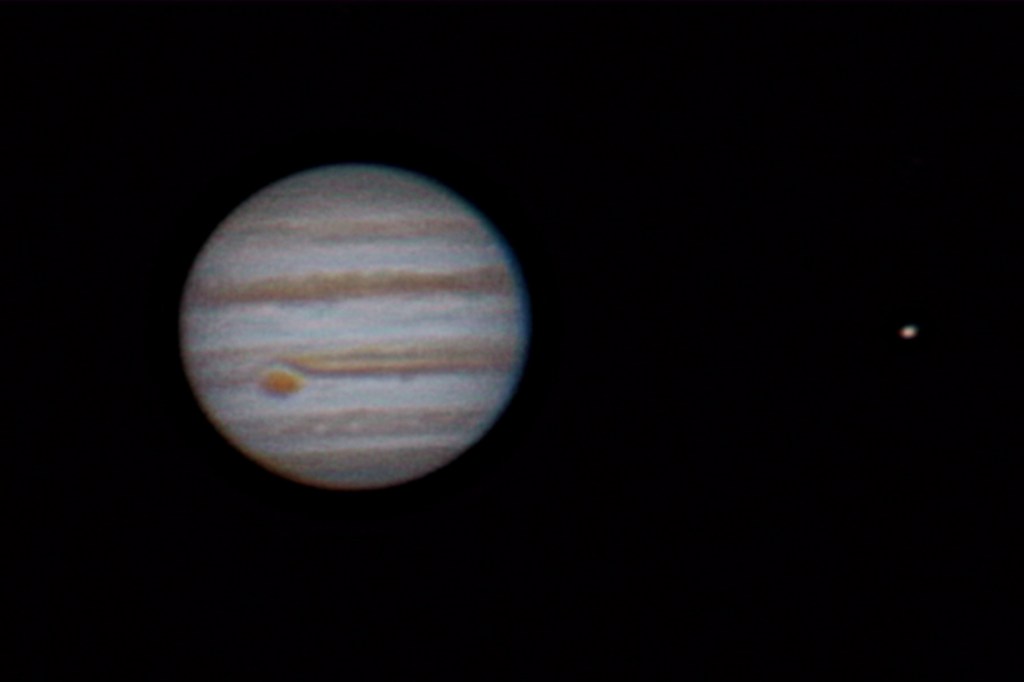
It was a very cold but steady night. Mars was still lower in the sky than Jupiter making the atmosphere difficult to deal with. All images were taken with an 8 inch newtonian reflector with a Canon 60D using the video crop feature and a barlow. Mars is a stack of 5819 images, Jupiter 3712. Stereo images of Jupiter follow.


Stereo images of Jupiter
Stacks of 3712 and 3699. Io, Ganymede and Io’s shadow have been moved slightly for a better visual representation. As an example, since the images were taken eleven minutes apart, Jupiter rotates for a perfect parallax for stereo imaging. But Io and Ganymede, although moving in the right directions, do not faithfully represent their true relation to Jupiter. Also Io’s shadow has moved across Jupiter’s cloud tops and looks like it is above the cloud tops. Both a parallel and cross view pairs are shown with an anaglyph for 3D glasses.

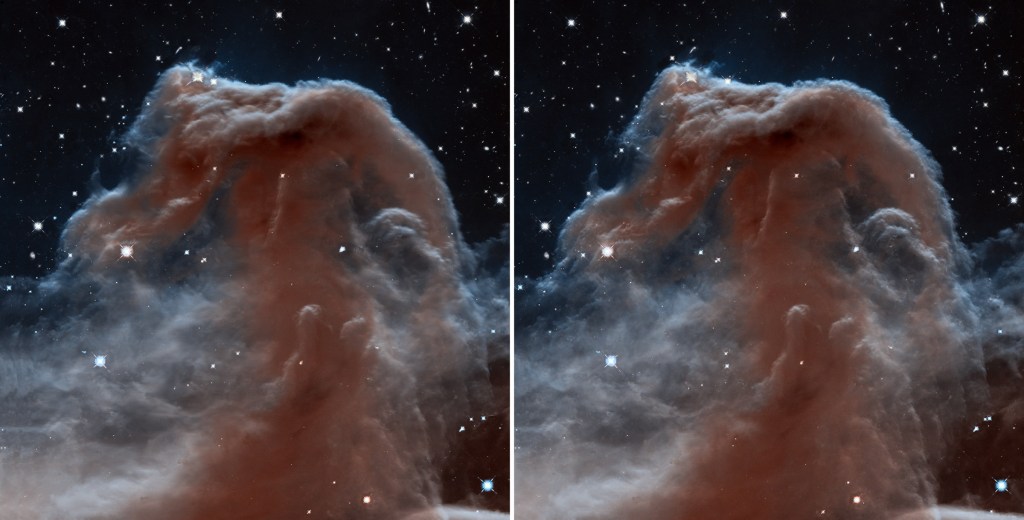
My stereo version of a Hubble Image of the Horsehead
For practice, I took an image from Hubble and made a stereo image of it. Will play around with it. It is difficult to determine what parts are closer than others. Same with the stars. Parallel version first, then a cross view, then anaglyph. (Image courtesy of NASA. https://science.nasa.gov/image-article/hubble-sees-a-horsehead-of-a-different-color/ ).


Stereo Image of the Horsehead Nebula
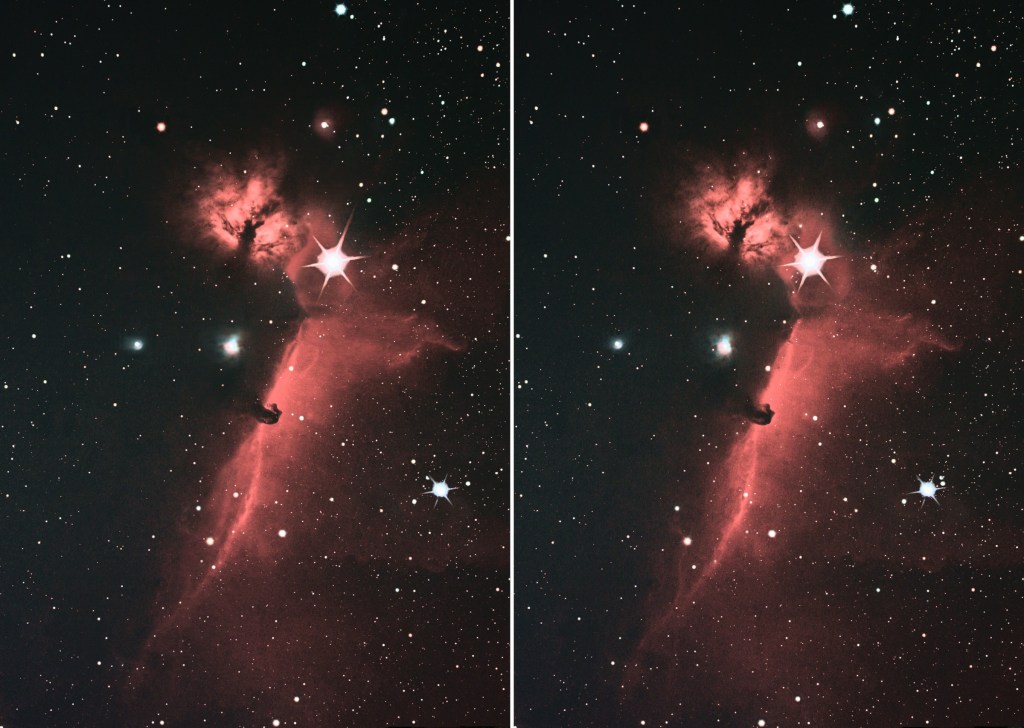
I just completed creating a stereo view of the Horsehead. Below are a parallel view, a cross-view, a color anaglyph and a B&W anaglyph. I was not happy with the full color anaglyph but will include it as well.
Update, Jan. 1, 2025: I made a cropped version which I will add after the original versions.
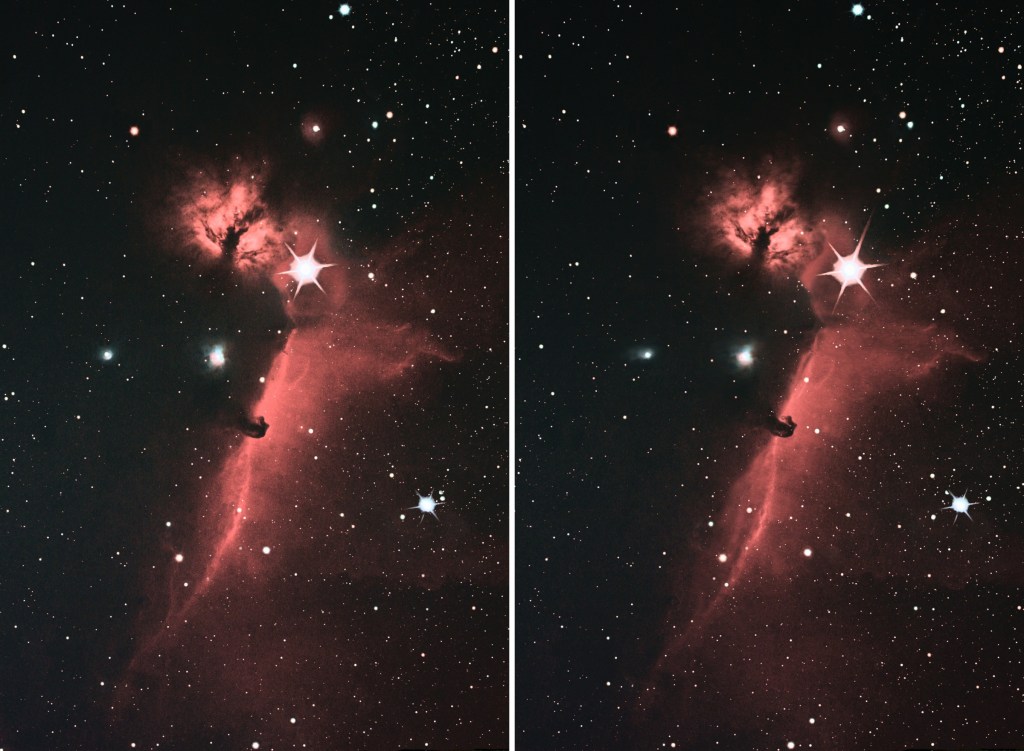
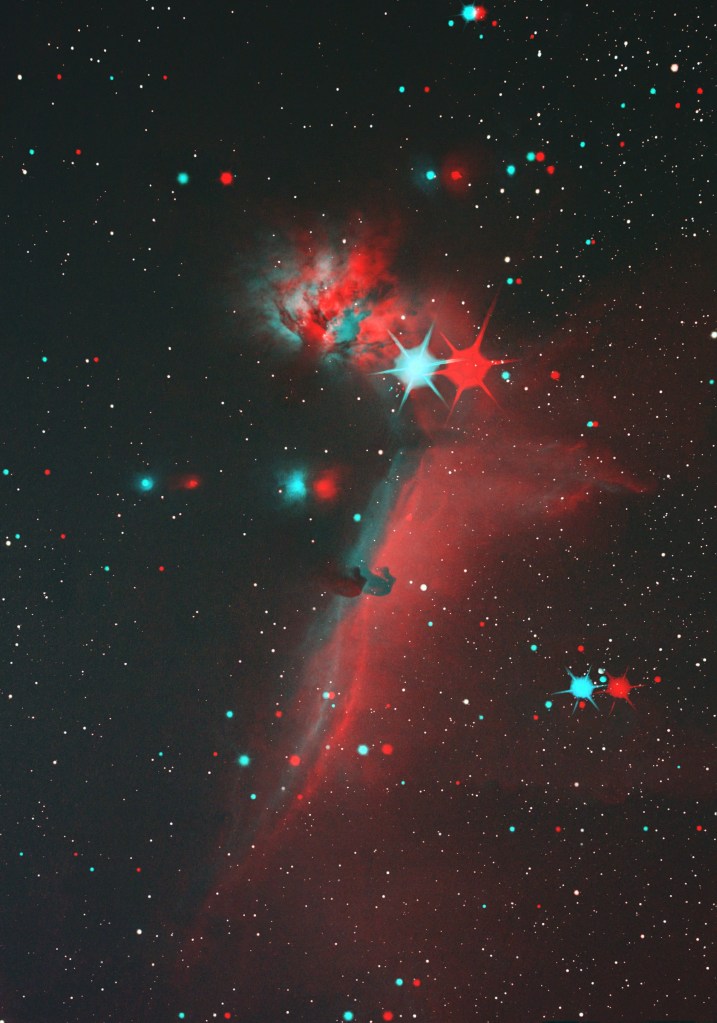
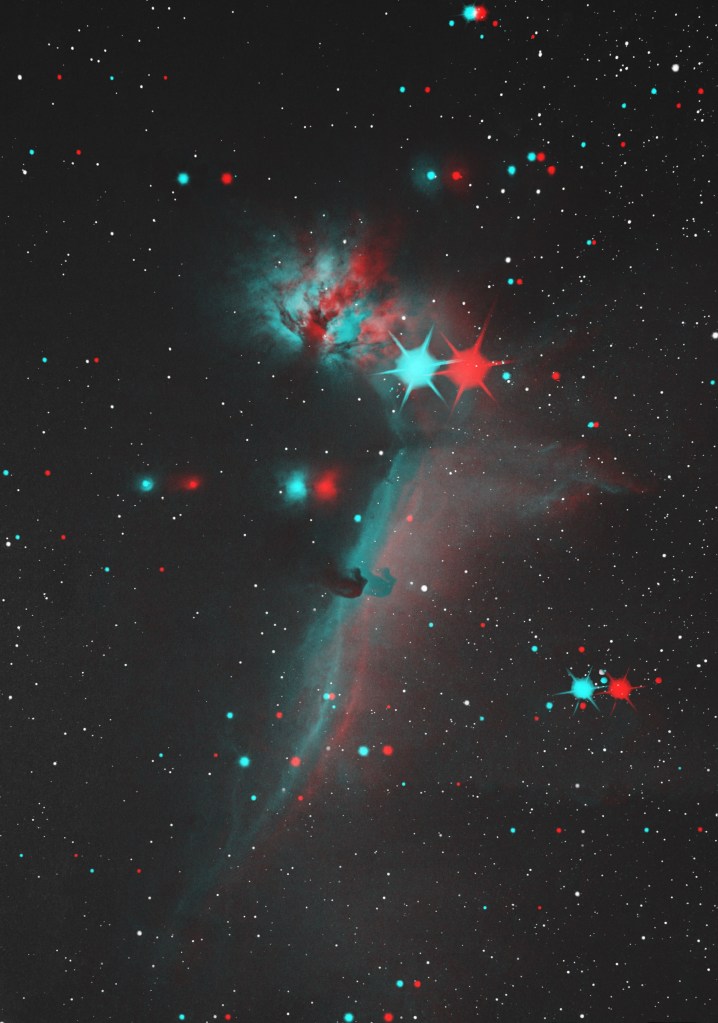
Cropped versions
Parallel view.
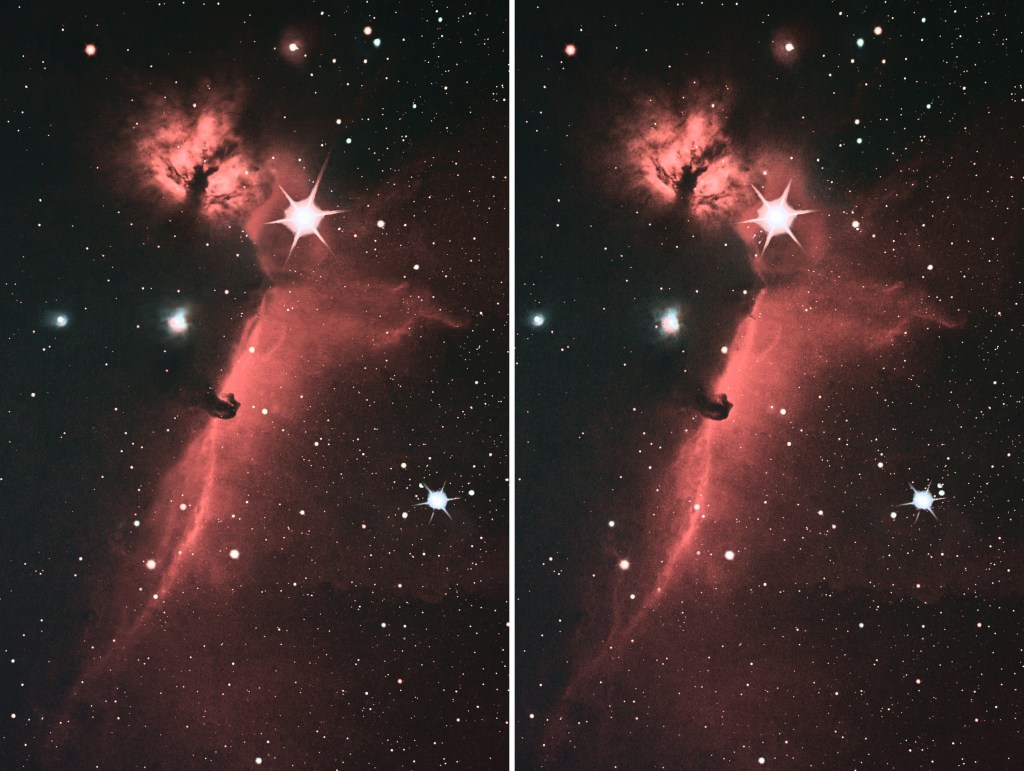
Cross view.

Horsehead and The Pleiades
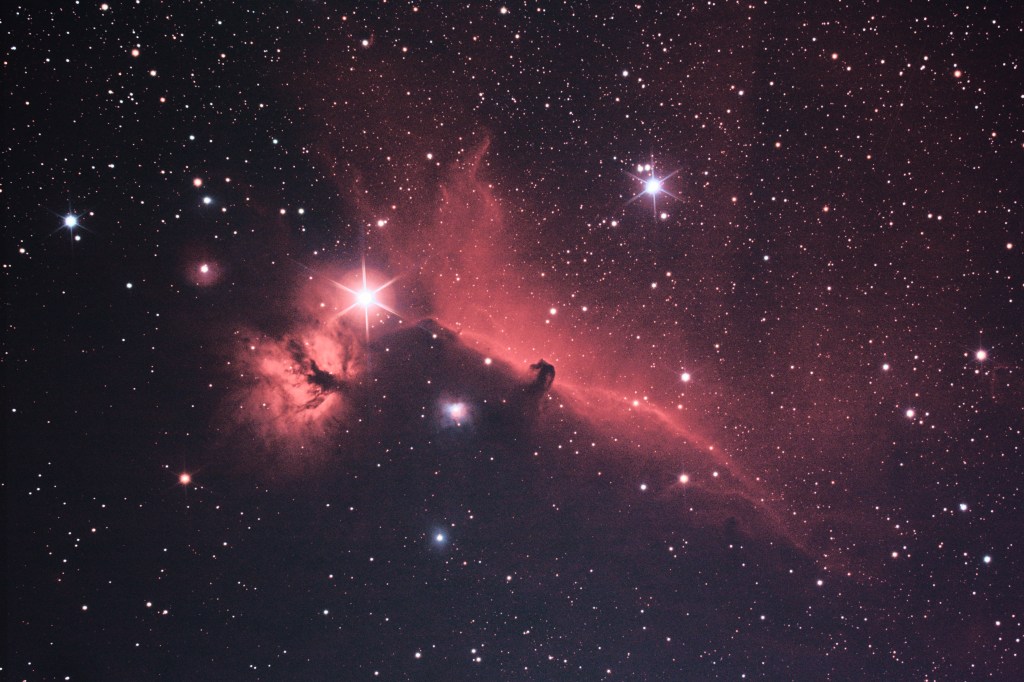
I spent one last night out before the moon and weather interfere. I usually put the scope away in December until Spring but will get it out for Mars next month. I took more of the Horsehead plus M45. I wasn’t completely satisfied with the new Horsehead so added the new images to the ones from Nov. 28th. This is a stack of 112 images. Various settings and exposures. ISO 2500 and 3200. 30 and 60 seconds. Some with my attachment to add diffraction spikes. I used the Canon 60D that I had astro-modified through my Astro Tech AT80 EDT with the focal reducer for 384 mm at f4.8. The Pleiades were a stack of 98 images at ISO 2500, 45 second exposures plus some at 30 seconds with the adapter. For it I used my Canon 90D (not modified).
I braved the subfreezing temperatures to capture the Horsehead Nebula. I took some images with one of my diffraction spike adapters I made. and combined them with direct view through the AT 80 EDT. Specifications follow the image.
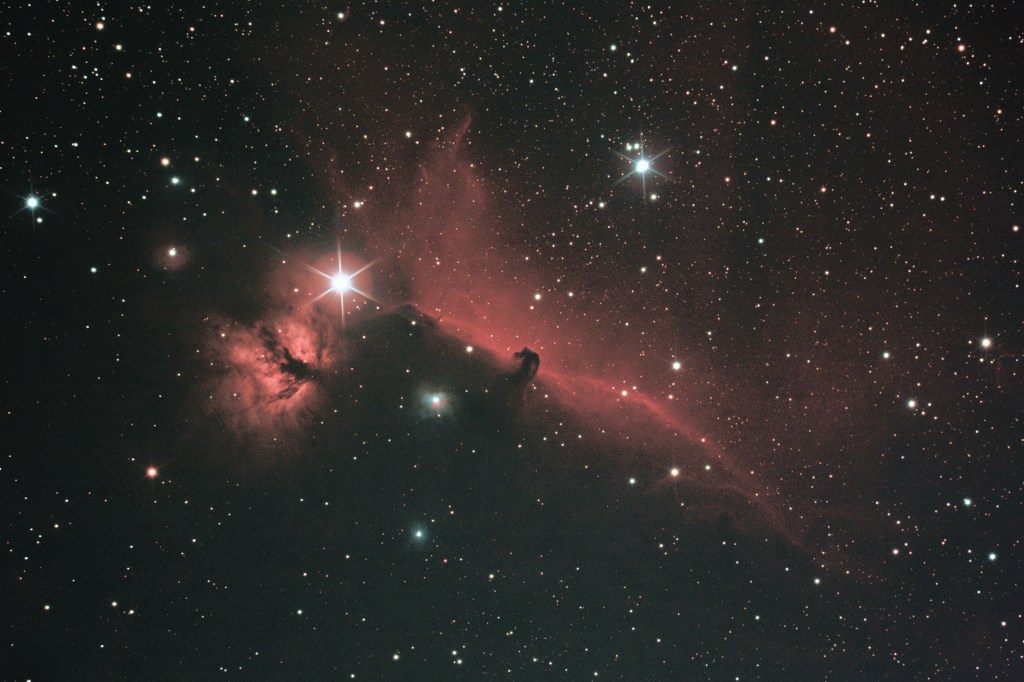
A stack of 88 images. About 40 with the diffraction spikes and the rest without. 30 second exposures at ISO 3200. Without were a stack of about 54, 60 second exposures at ISO 2500. The total stack was 94 but stacked the best 95%. Canon 60Da (astro-modified 60D).
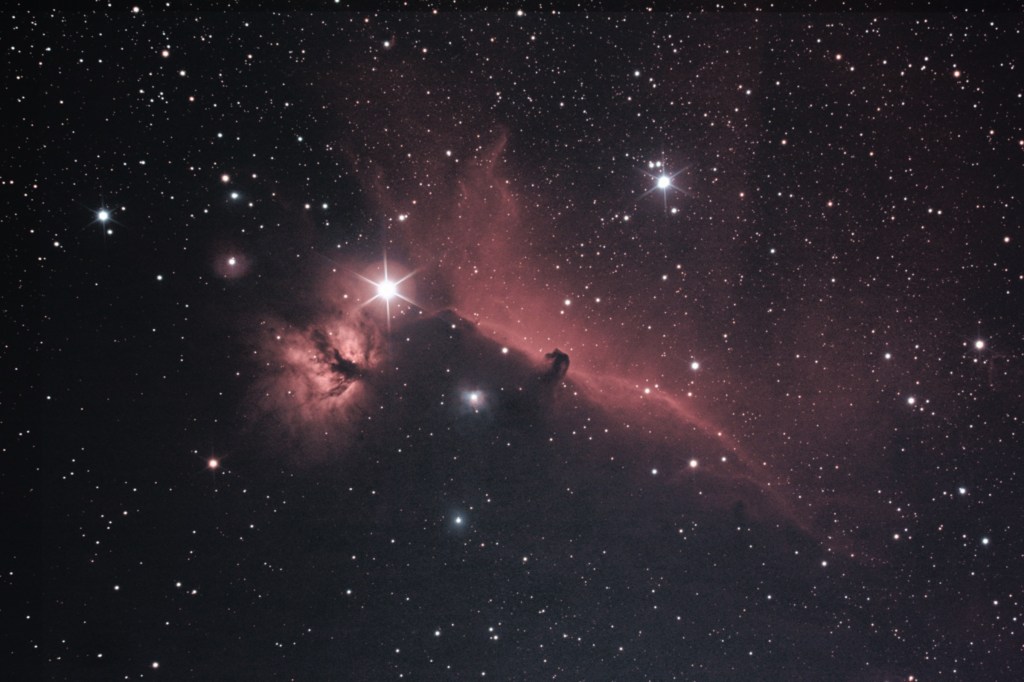
Restack using more images (some images had satellite tracks. I decided to include them and then clone them out). This image I submitted to Spaceweather.com. And this last one was a stack of 91. I am practicing and each time I am gaining in experience. Amazing what different settings while stacking can accomplish. One thing I have added, I will make about 10 stacks with different parameters and then stack those ten. I guess you could say I stacked 910 for this last one but they are the same 91 images.
This is the adapter I used for this image to create the diffraction spikes. I used fishing line.

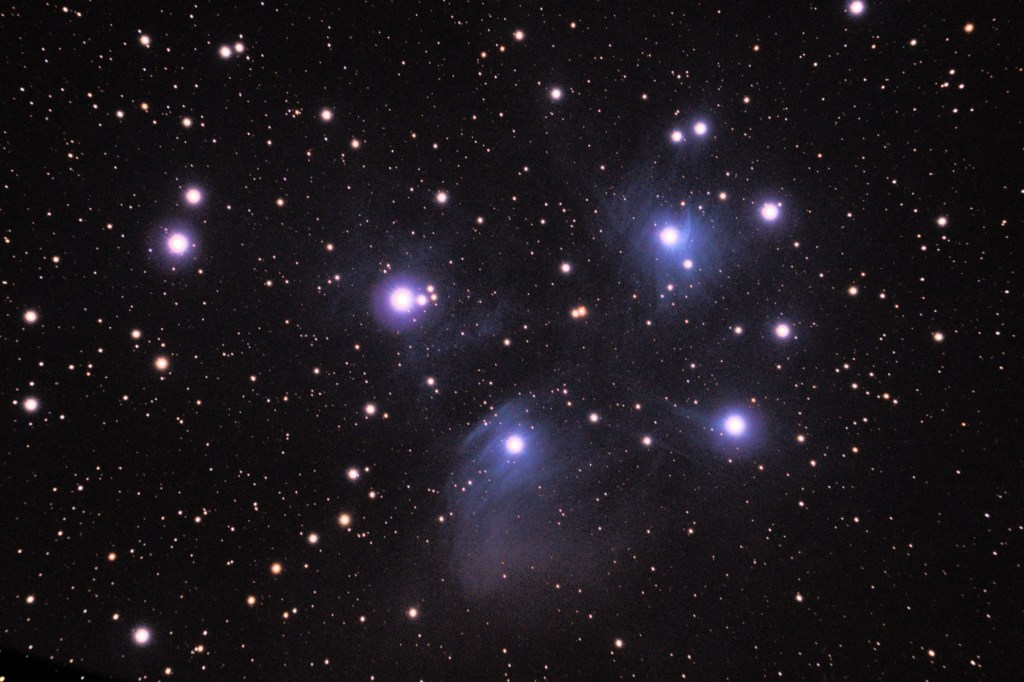
A new stack follows M45. My best ever of M45.
M45 with diffraction Spikes
I always liked the spikes on stars caused by the spider secondary support in a Newtonian. Refractors make boring, round stars. So I decided to add some without using a computer that makes fake ones. I made an adapter that fits onto the front of the refractor that mimics the spider support. It is basically just a cardboard holder for two crossing wires that cross at the exact center of the field of view. This image was during a gibbous moon which washed out the nebulosity. I later stacked the final image with one of my earlier images of M45. Aligning was difficult because I do not have a program that does it for me. The second image is the original image and the third the combined image.


This is the adapter. Crude but it was for proof of concept.
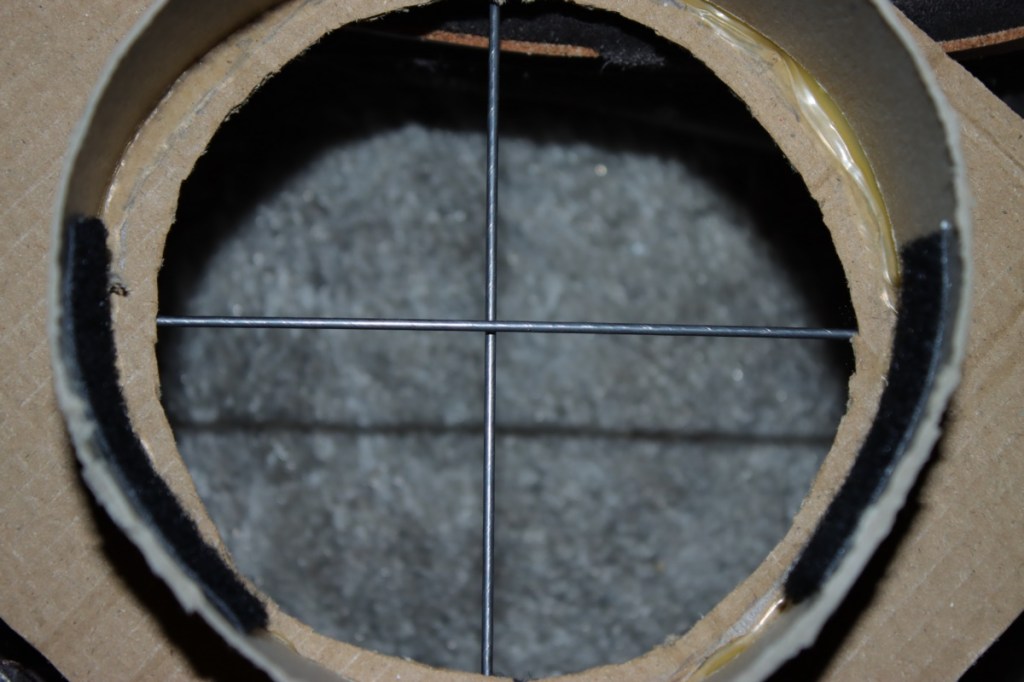
I have been practicing my stacking. I found that if I vary the parameters on a stack and then stack all those various stacks, I can coax more info out of the images. This is a restack of the previous image of M45.

M45
I am practicing to get a really good and deep image of the Pleiades. This is a stack of 22 images with the Astro Tech AT80EDT. 480mm at f6, ISO2500, 30 seconds. Canon astro-modified Canon 60D. I wish I would have had more time. I need at least 60 images to stack and excellent skies like this night (Oct. 25, 2024).
I had to make this a stereo image! The anaglyph needs more work but the parallel version is awesome. I hear some people like to use cross view (crossing your eyes) to view 3D so here is one of those too.

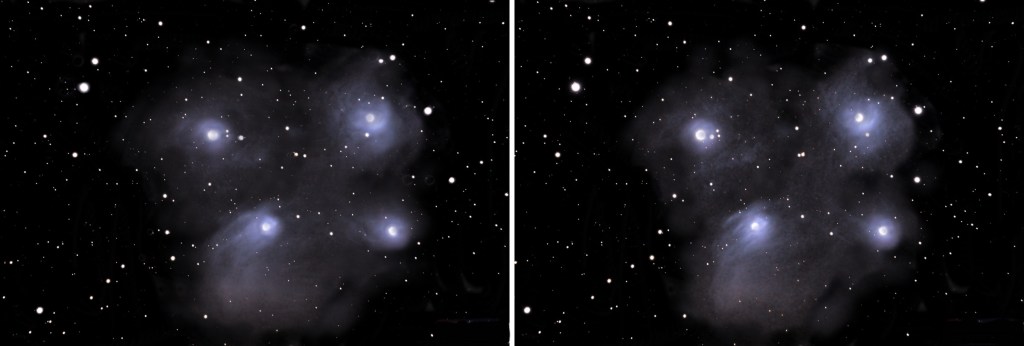
This is a parallel view (left eye on left image, right on right).
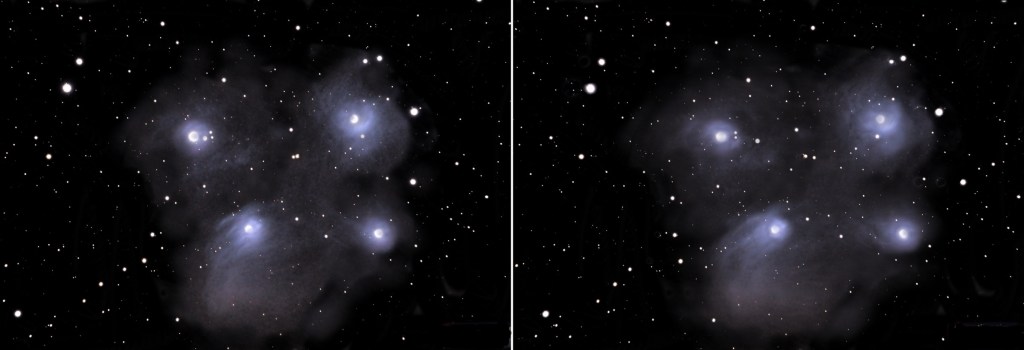
Cross view (left eye on right image, right on left).
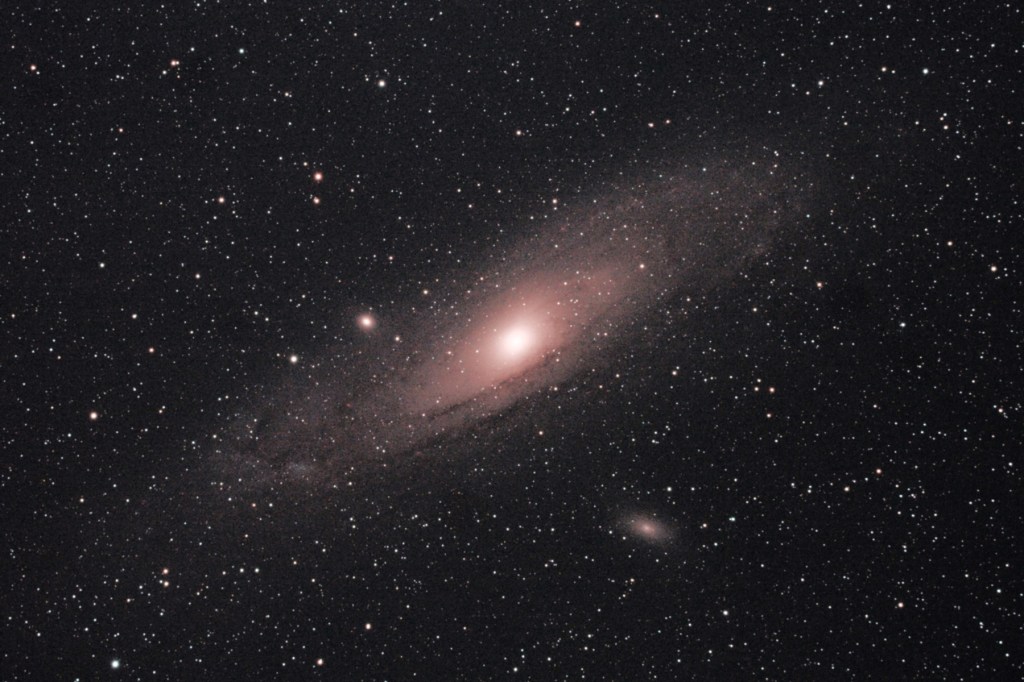
New image of M31
I was able to take over a hundred images of M31 last night (9/30/24). I was dealing with some smoke and the usual light pollution. I am not capturing the hydrogen clouds like I want. I think it is the smoke in the air being lit by the city lights that are brighter than the emission nebulae. It is still a really good image for my limited equipment. Stack of 121, 30 second exposures at ISO 2500 and 3200 (about a third at 3200). Astro Tech AT80EDT, 384mm at f4.8 (used a focal reducer and CRS clip filter for light pollution). I tried a few at 60 seconds but the galaxy becomes washed out.

I tried again on Oct. 22nd but this time I let my old Celestron NexGuide autoguider do the tracking so I could get longer exposures. I stacked 33, one minute exposures at IOS 3200. I also framed it differently.
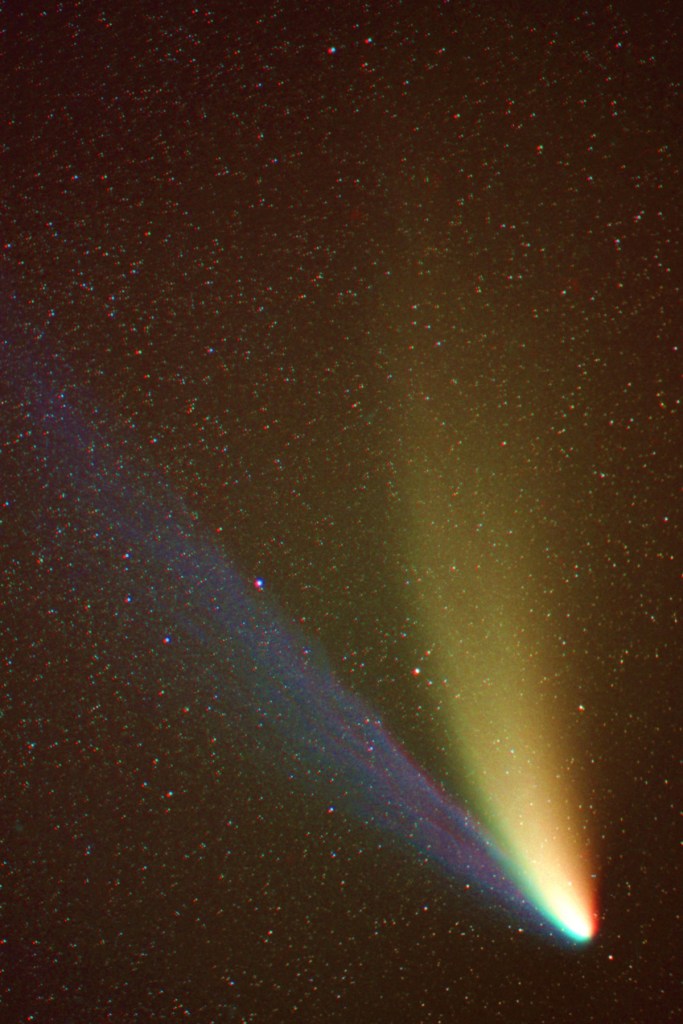
Old 3D of comet Hale-Bopp
I finally found my lost original negatives of Comet Hale-Bopp. So I scanned them and remade the stereo images that were published in Astronomy Magazine back in November 1997. I hadn’t seen them for about 15 years. They were under some papers in a cabinet. Why were they there? Probably so I wouldn’t lose them. Go figure.
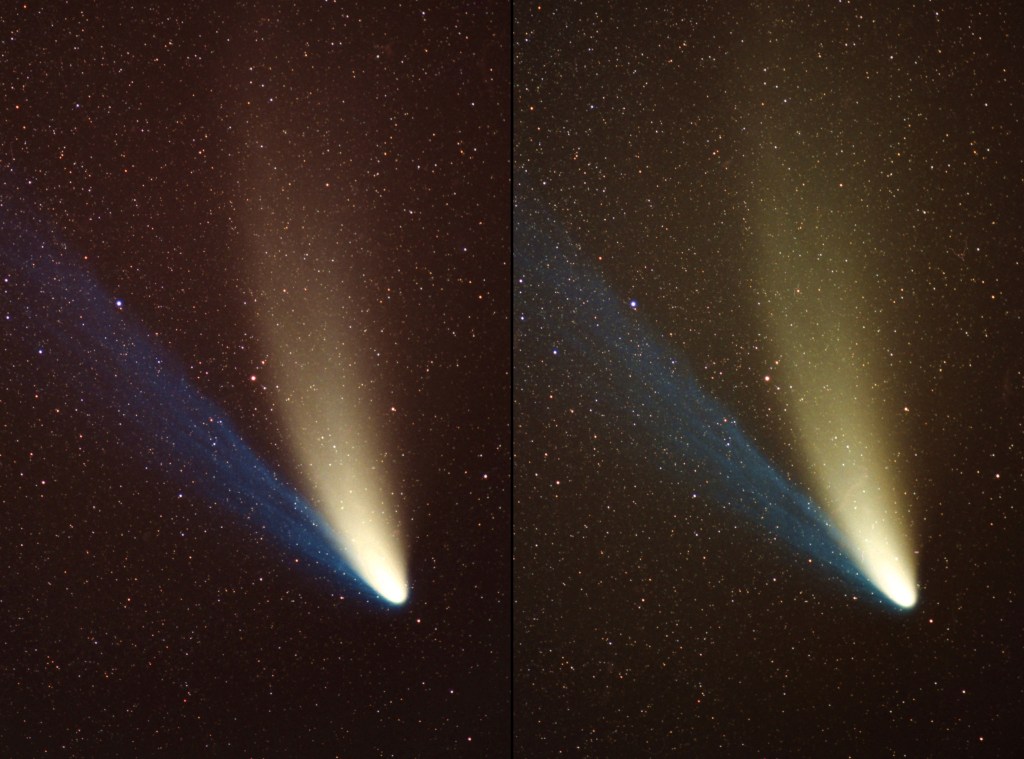
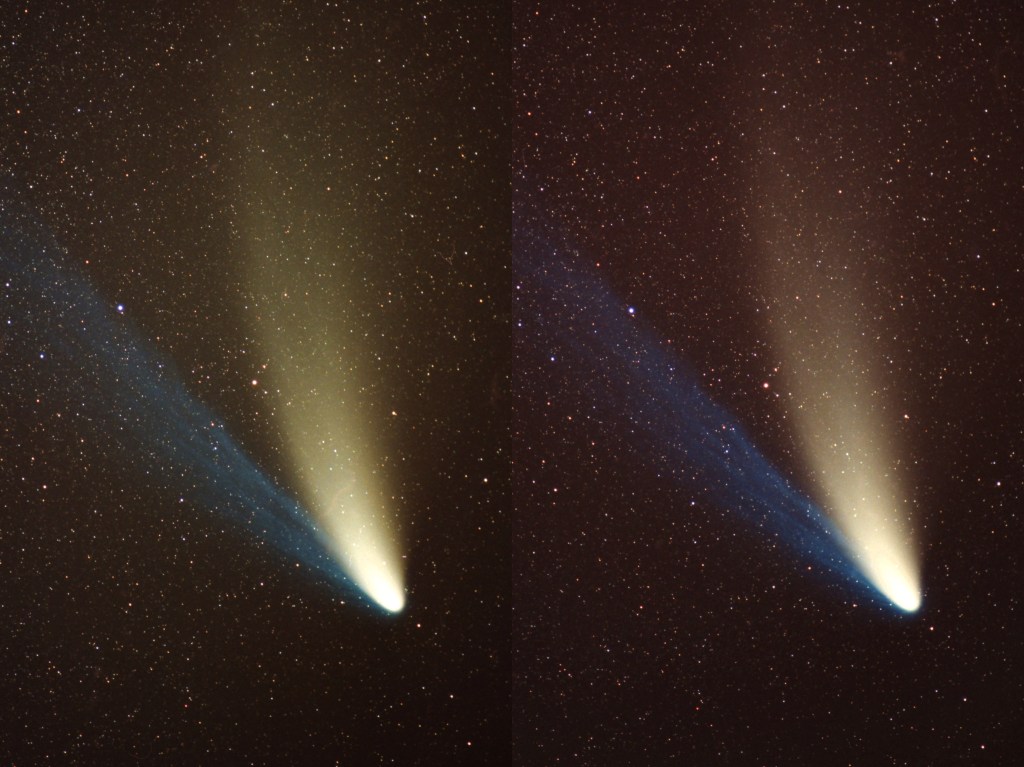
Cross view. The advantage of cross view is the images can be larger and farther apart. Of course the more you cross your eyes, the bigger the headache!
Gunnison Area Colorado
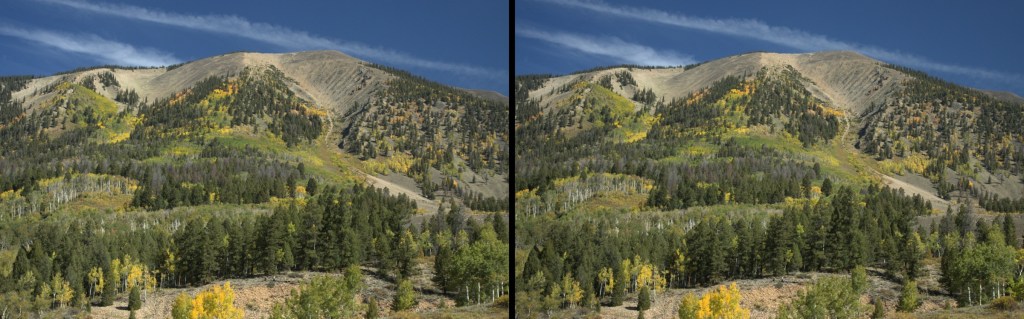
We spent last week on vacation. We stayed in Almont, Colorado. we visited the Ohio Creek area, Crested Butte area, the Taylor River and Roaring Judy Fish Hatchery. Here are a few highlights. Below will be a couple 3D images and one video. The video will need the red/cyan glasses. The stills will be either anaglyph or stereo pairs. (Anaglyphs need the glasses). I wish I had room for my telescope. The skies were dark and clear. The Milky Way glowed brightly with clearly discernible dust lanes.


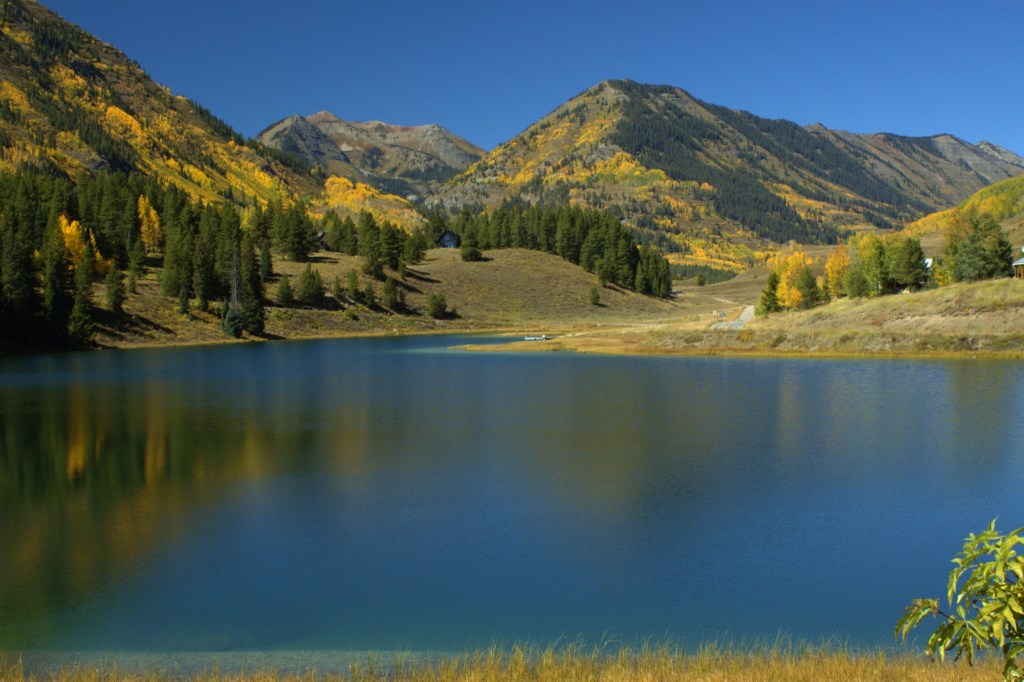
Stereo anaglyphs.


This one has the “scale model effect” where the 3D is exaggerated, making the subject seem small. Also, the jet trails moved during my walk to the second location, making them look closer than the mountain. I have devised a way to take two images simultaneously with my two Canons so I should be able to make better “scale model” stereo images next year.
Stereo Pairs

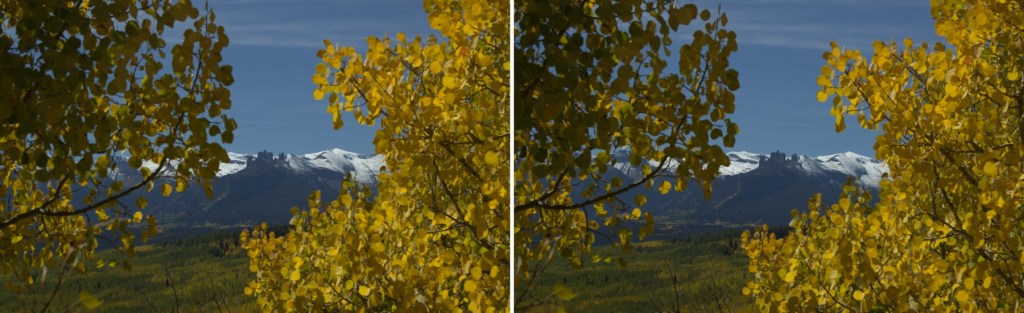
Stereo Videos
More to come. 3D videos are TIME CONSUMING!! The original of this video is about eight minutes long and took about four hours to create.
Stereo pair of the Large Trout Pond. Again the original is several minutes long and too long for inclusion here.
Partial Eclipse of Sept. 17.
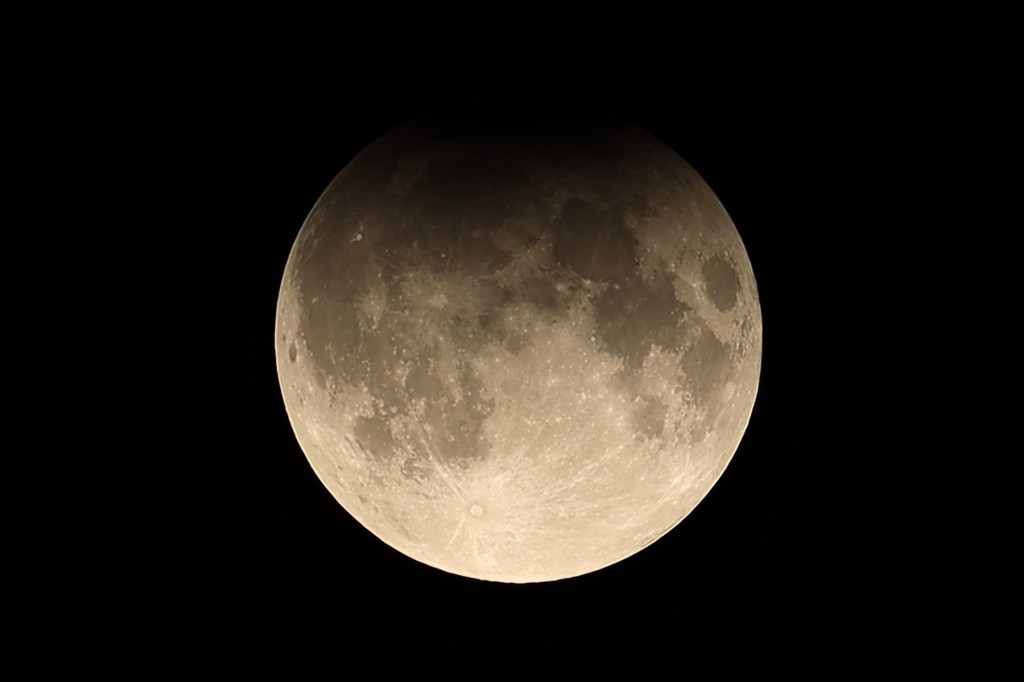
Stack of about 877 images. Taken through an Astro Tech AT80EDT, 480mm at f6. Canon 90D. ISO 200, 1/800 second exposure in video mode.
Veil Nebula, Sept. 20, 2024
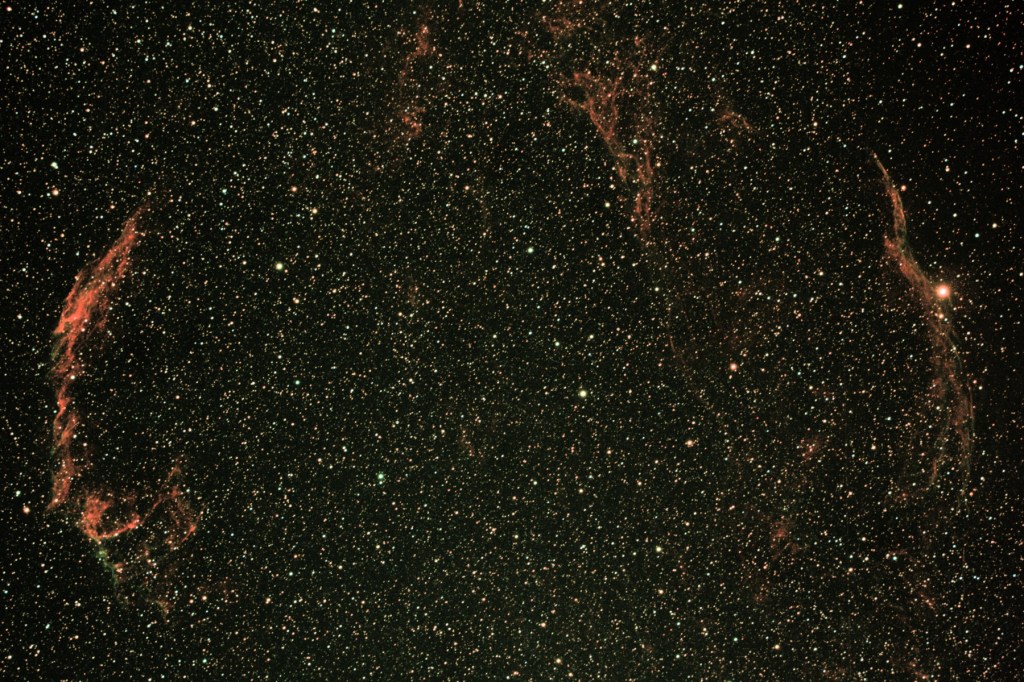
I tried the Veil again with longer exposures. Same AT80EDT and Canon 60D. Stack of 37, one minute exposures at ISO 2500. 384 mm at f4.8. Wanted to stack more images but a gibbous moon rose and ruined my fun.
Sept. 5, 2024

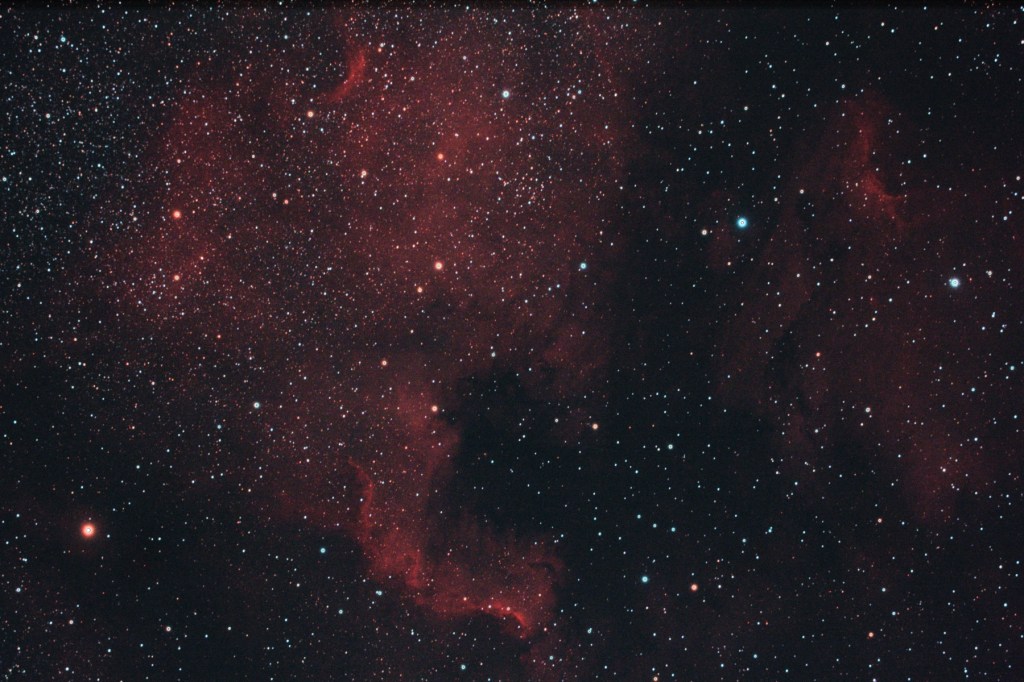
I tried the North America Nebula again. This is a stack of 17, 60 second exposures at ISO 3200, using the Astro Tech AT80 EDT, using the focal reducer. 384mm at f4.8.
New stack. Taken July 8, 2024. A stack of 7 stacks with various settings. Each stack was a stack of 26 original images. Stacking stacks seems to bring out more detail.

I tried the North America Nebula again. This is a stack of 17, 60 second exposures at ISO 3200, using the Astro Tech AT80 EDT, using the focal reducer. 384mm at f4.8.
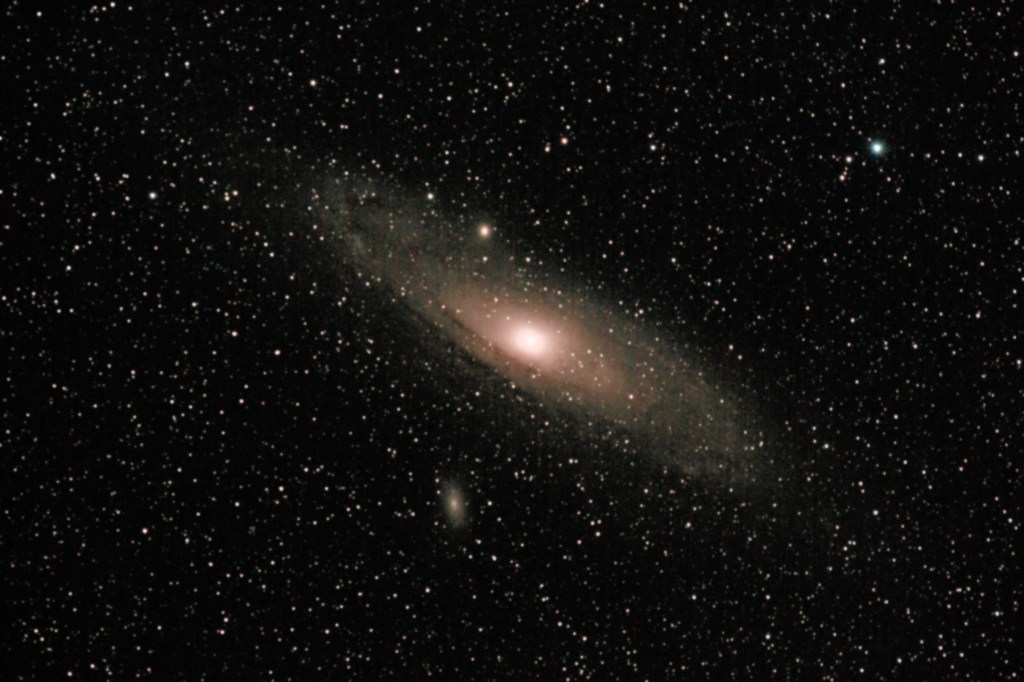
I also tried M31 again. It is very difficult with all the light pollution and smoke. This is a stack of 16 images with the same settings and equipment as above. I did take a few with a shorter exposure to get the nucleus to show more detail.
M45 in 3D:
Just for fun, I reworked an old stereo image of M45. It is in B&W. The stars’ depths are more accurate now. I am trying to get a very deep image of it but the recent smoke from the California and Nevada fires are interfering. An inconvenience only for me, a disaster for them. It was taken years ago and is a composite of three images. It was taken through a 10″ Newtonian. Less light pollution back then (15 years ago, I think). A lot of the nebulosity was lost while I was separating the nebulosity from the stars. A program that does that automatically would be nice. Then I could create the stereo images of the stars and nebulosity separately. Maybe someday…
I am always fascinated by the differences in brightness of the stars in a cluster. I used the actual distances for the stars to make the stereo image. The distances are from The Sky planetarium program and is based on the Tycho catalog, I believe.
Weather Clears:
The North America Nebula. Astro Tech AT80 EDT with reducer. 384 mm at f4.8. 14, 30 second exposure at ISO 2500. Canon astro-modified 60D. When I get the mount’s alignment closer to perfection, I will try longer exposures.
Veil Nebula:
Same scope and camera set up. Stack of 30, 30 second exposures at ISO 2500.

My Eclipse Trip was mostly clouded out. See below.
I keep finding images hiding in the darkness. I added them before the eclipse trip section.
Other items:
I added an article on calculating the angle of deflection of a light ray through a large gravity field as described in General Relativity. I wanted to know if I could capture it with my equipment during the upcoming total eclipse. It is a short article but does show how to calculate the deflection and most people schooled in algebra can calculate it for themselves.
I have finished improving my article on “The Coriolis Effect in Spaceships.” It explores the side effects of creating artificial gravity by rotating a ship as in the movie “2001: A Space Odyssey.” I have also made improvements to my companion article “Calculating Angle and Velocity of Vectors in a Rotating Field.” It covers in detail the mathematics involved.
I added new 3D images to the 3D page.
About my Novel
Please read my novel (and give feedback). I need to know if it is any good. I have split it up into a chapter per page to make it easier to read. I hope to have it in an “epub” format soon. It now starts with “My Novel Prologue” in the menu, with each chapter now a separate page. The “Index” is only for reference. I see someone read the Epilogue without reading the novel. Cheater. That’s like someone saying “everyone on the boat dies in the end except Brody” before you read “Jaws.”
Auroras on May 10, 2024
The auroras that passed over Grand junction, CO were quite dim and were gone by 11 pm. Canon 60 Da, 18-55 mm lens at 18 mm. Four to fifteen second exposures at f3.5, ISO 1250.

View to the south-southeast. 8:34 PM.
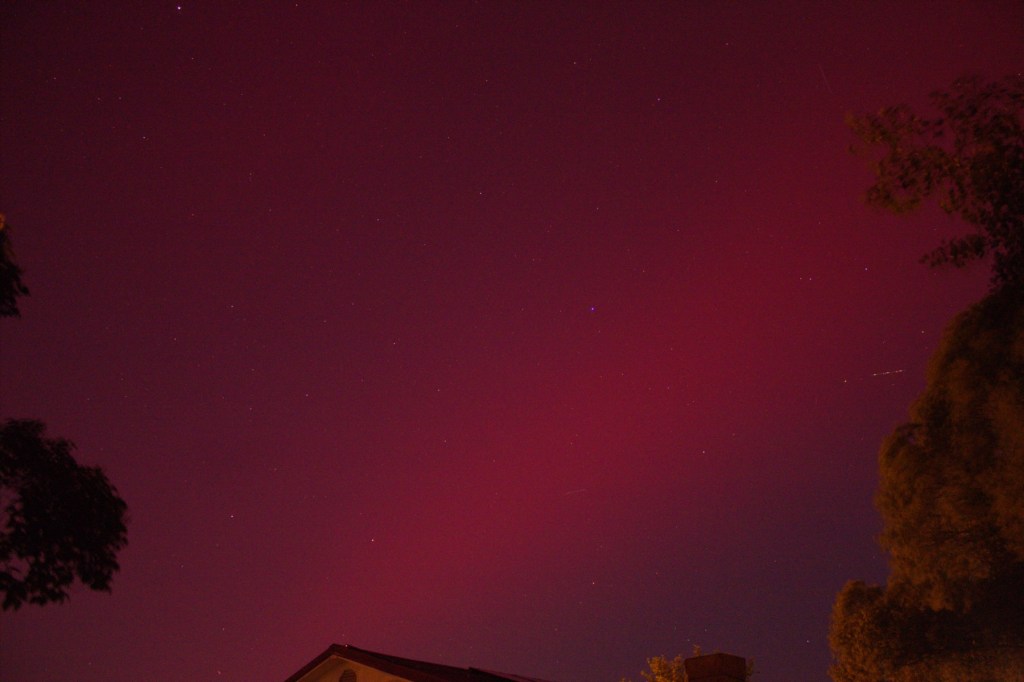
Three minutes later.
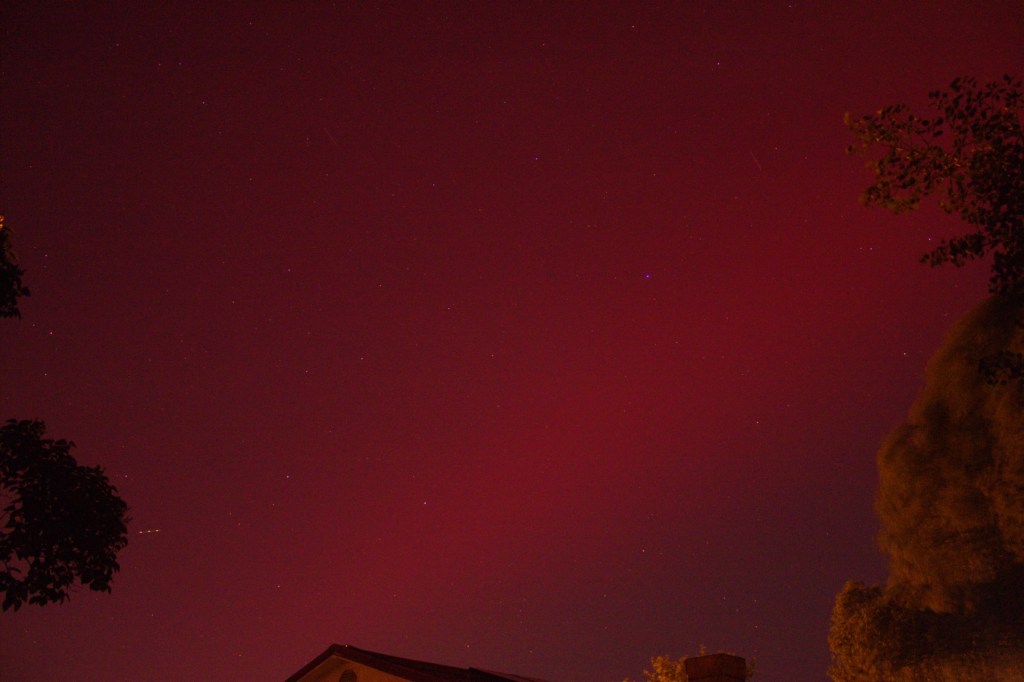
8:47 PM.

View to the north. 9:48 PM.
I made a video of the aurora. This was over about 23 minutes. The most interesting things in this video is all the satellites that zip across.
Eclipse:
Found images hiding in some very dark images of the eclipse.
After more processing, I found some images taken with the 60Da through a 70-200mm Canon lens with teleconverter. The clouds were very thick so I am not sure if the glow is corona, chromosphere. or just clouds being lit up from one of the previous two glows.

The 60D also caught a brief image of Bailey’s Beads but just a little late so there is only one left. Between the two images, clouds obscured the entire eclipse for 47 seconds. I have found more images with the 90D to inspect. They are very dark and hard to find detail to enhance.
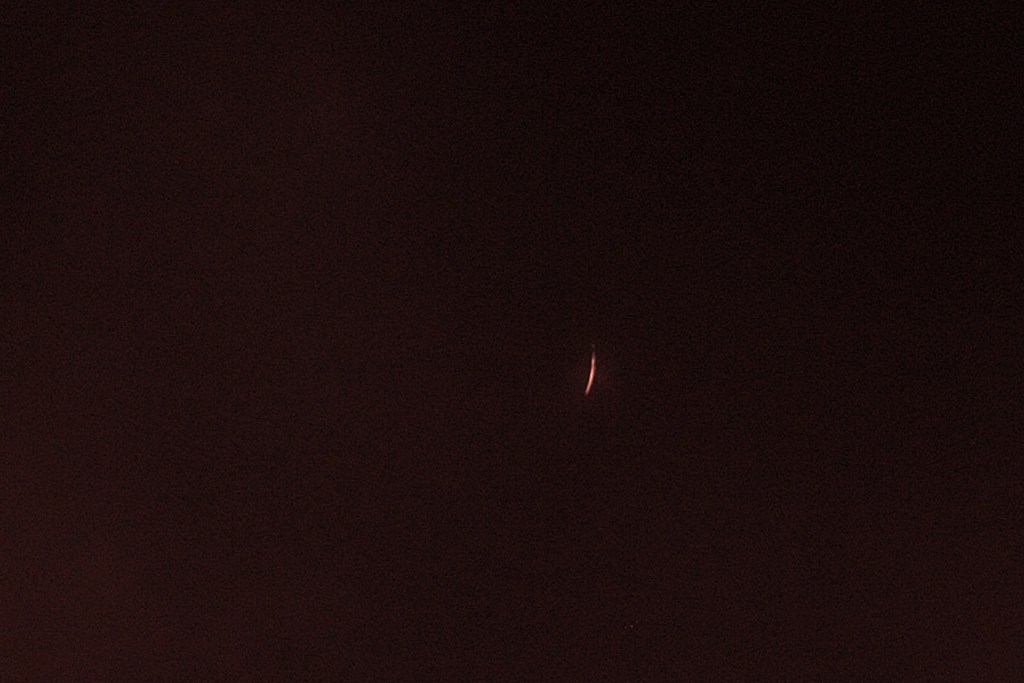
My Eclipse Trip
Okay, eight days, six of them on the road, thousands spent and the spot we picked back in October was a bad one. Here is about all I captured. I have been looking forward to seeing the Sun’s corona all my life. Still waiting.
Partial Phases
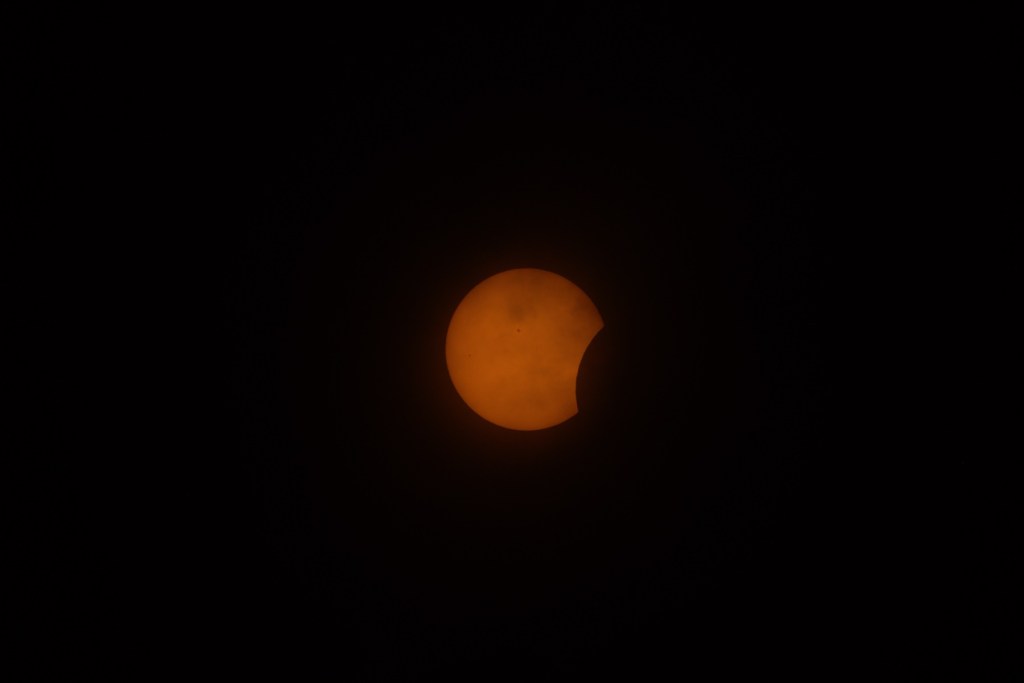
All images are with the Canon 90D on the Astro Tech AT80EDT with focal reducer. 384mm at f4.8. ISO 500, 1/800 second unless otherwise noted.
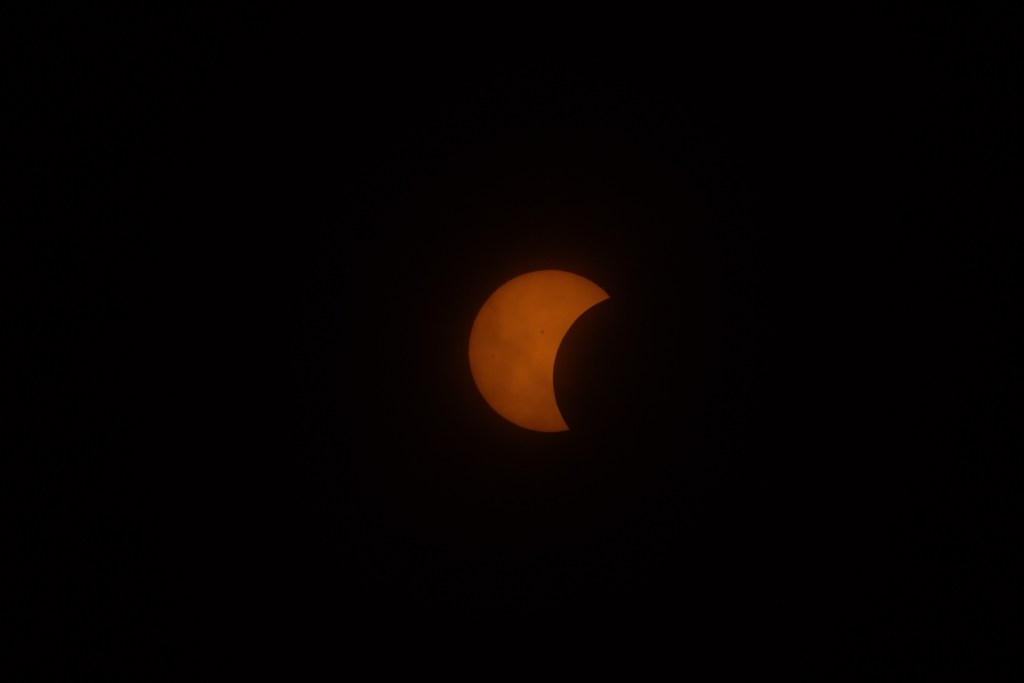
Note the clouds. In-between these phases the sun was completely hidden by clouds. It would briefly emerge or peek through in a break in the clouds.
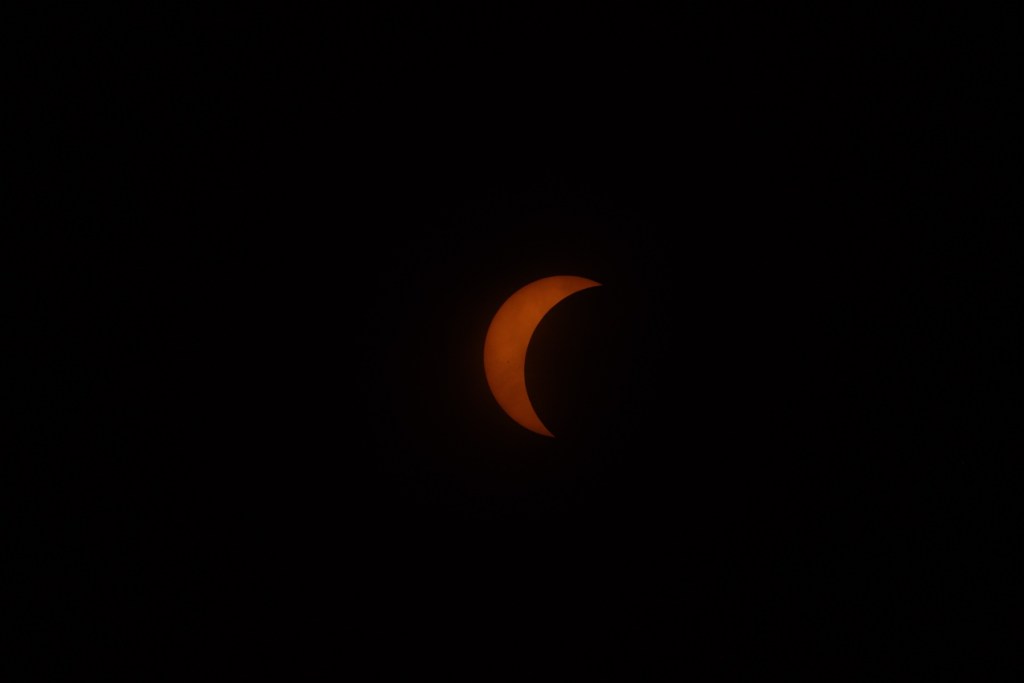
Then the clouds became thick. And this was the sky during totality.

It was dark (you can see the yard light had come on at the building to our right). The birds became silent but a coyote began to howl and my wife said she heard a bugle call. Later we found out it was an Axis deer. Shortly after I took this image, Pam said she saw something in the binoculars. I quickly triggered the shutters and then looked in my finder scope where I saw something like this (as best as I can reproduce).

I clearly saw the prominences and a glow. I am still not sure if it was chromosphere or corona I saw briefly but the glow looked like it was coming from behind the moon. The color of the prominences was a beautiful red. I still had one remote in my hand and quickly fired another burst of images with the 90D and then quickly grabbed the remote for the 60D and fired off a burst with it. I continued firing off bursts while I was watching through the finder scope when the clouds obscured the eclipse for several if not a few dozen seconds. Then the sun started peaking from behind the moon, just after Bailey’s Beads. The diamond ring effect was obscured.
These are my only images of totality and it was through the clouds which acted like neutral density filters as I had to brighten each image immensely. Afterward I have a few videos that I took and made from the still images.

Exposure was changed to ISO 640, 1/320 second. This image of the prominences is a stack of four images and was barely visible in the originals so the amount of brightening was extreme. The image of Bailey’s Beads (I only caught one “bead”) was the same exposure with no brightening.
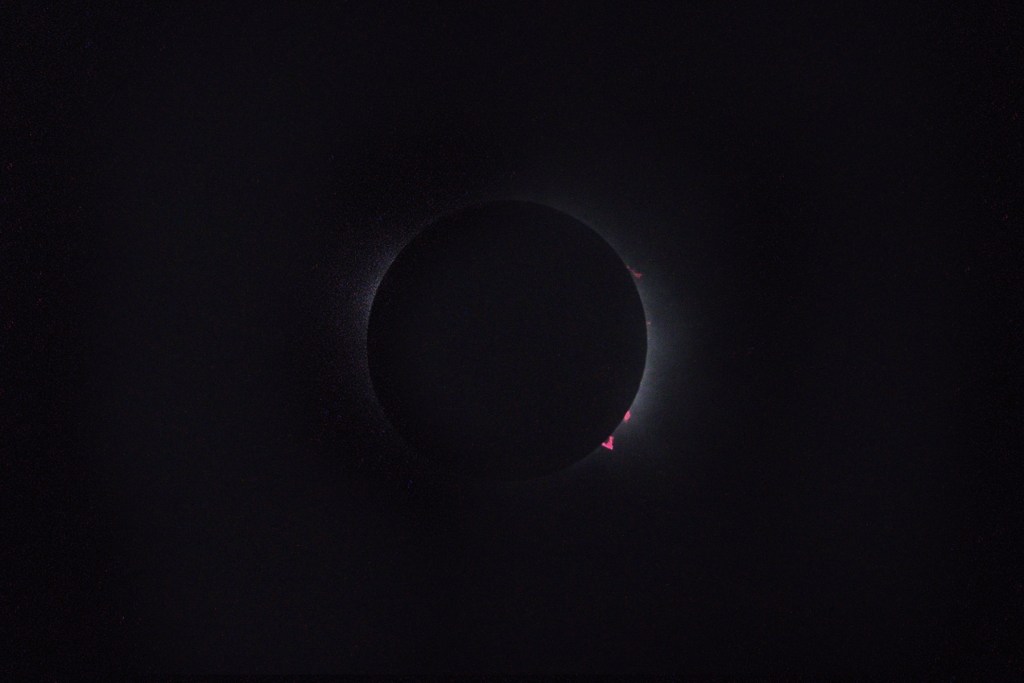
I added two separate stacks to get the above composite. They were taken about fifteen seconds apart. Astronomy Magazine published this image in their September 2024 issue.
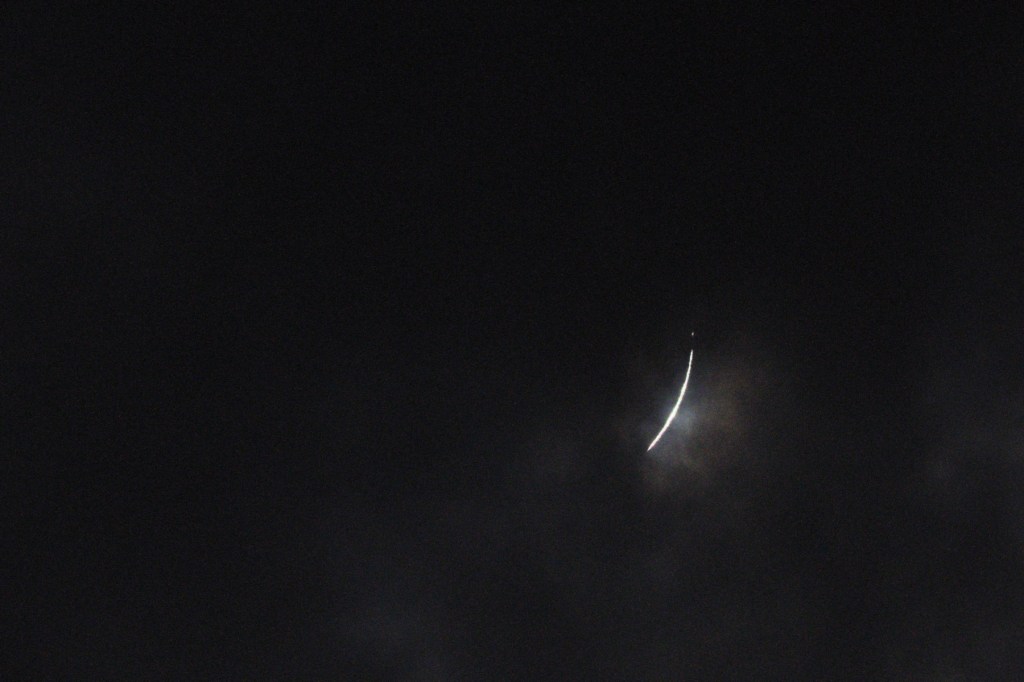
This is a few seconds after the clouds cleared and the partial phase was already in progress. I think I can say I caught one Bailey’s Bead.
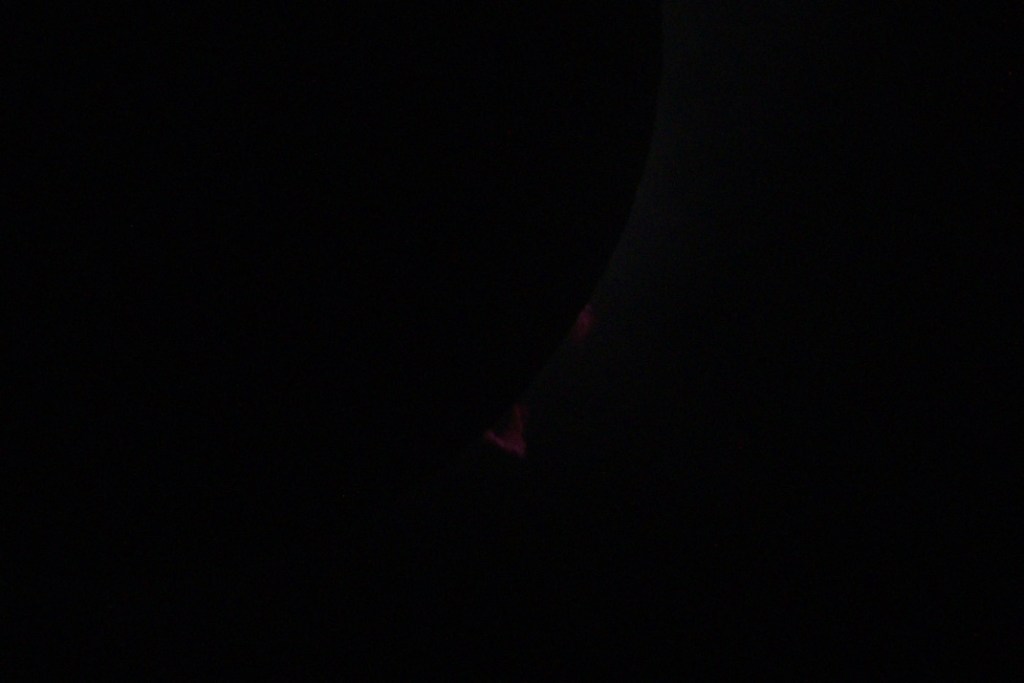
This image is an enlargement of the prominences as they actually appear in the images I used to stack.
The trip was not a lot of fun. The RV we rented had many issues (fridge was down for four days, air conditioner actually had ash in it and showered us with ash), and the water heater would blow fuses so no hot water.
We did visit the Alamo where I would say there were more tourists there than Santa Anna had soldiers.
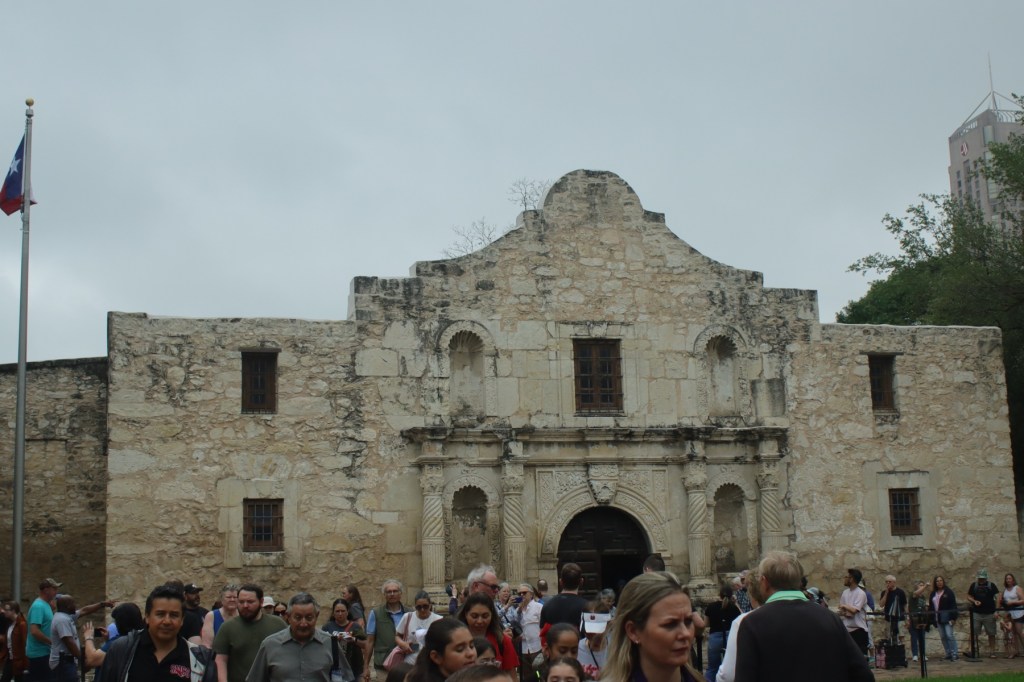
The river walk was the most fun and our pug loved it as well. She also got her first ice cream!

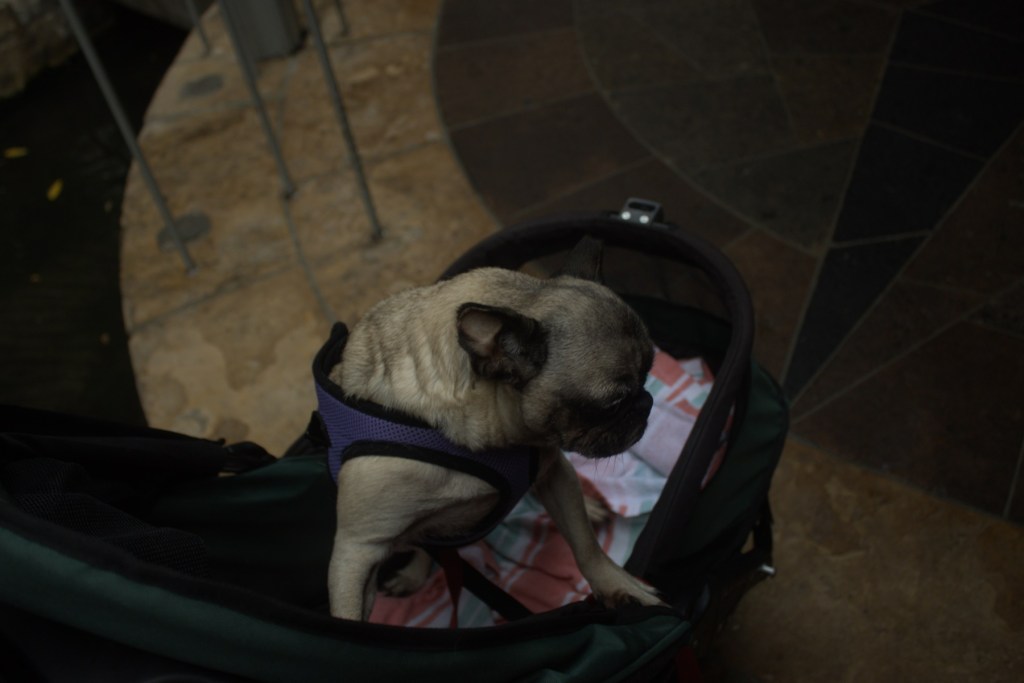
She loved “strolling” the Walk.
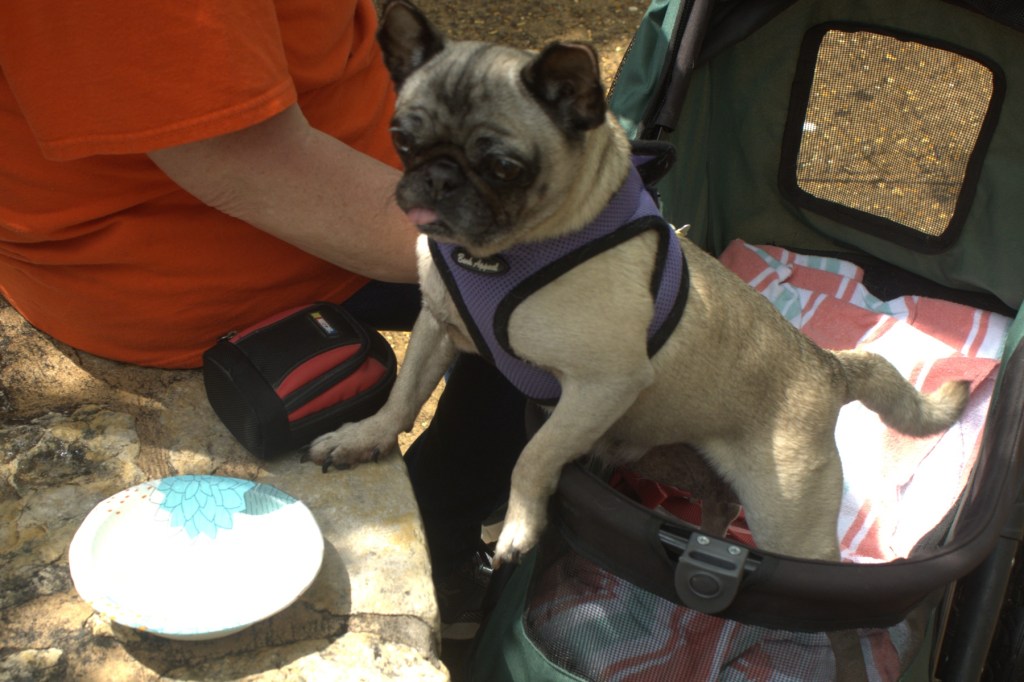
This was taken a few seconds after she got her first scoop of ice cream.
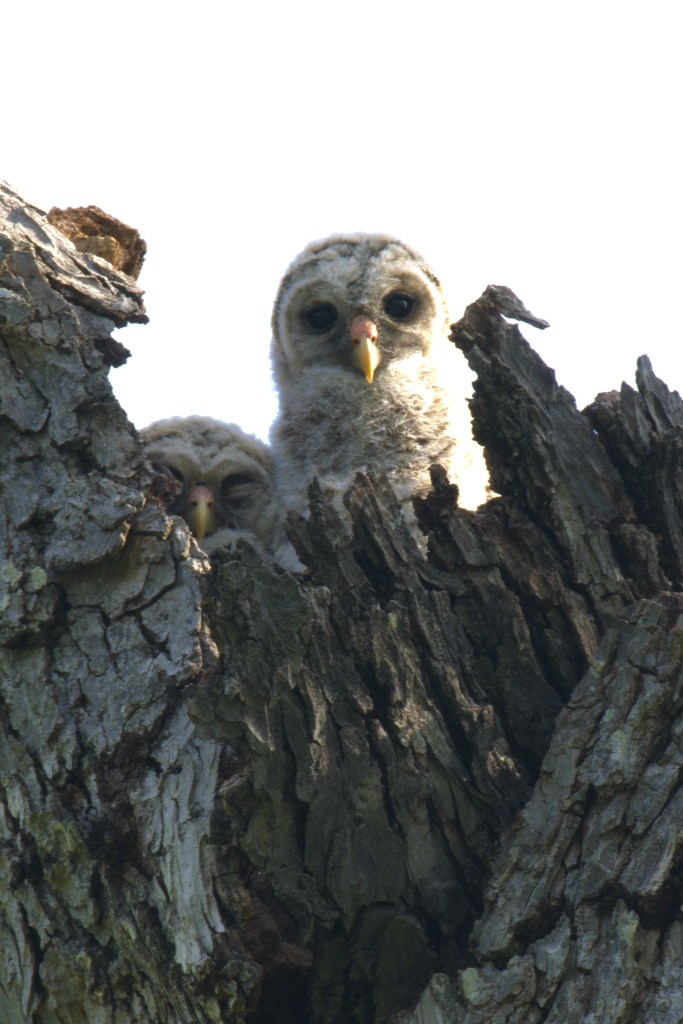
There were some baby owls near our campsite in San Antonio.
It was a long eight days and felt like a failure. Lots of planning and money spent for a lifetime event that I still have not experienced. We have a total eclipse in my neighborhood in 2045 but I will be 87. I don’t see how I could ever save enough money for Australia in 2028 but hope is eternal. I don’t think I want to be anywhere near the middle east in 2027 but time will tell. Wish me luck.
Testing the Astro-Tech AT80EDT
This is a composite of five images taken with the Canon 60Da and the AT80. Camera was set for video at the 640 x 480 crop setting. Taken Mar. 18, 2024.

I imaged M42, the Double cluster and the pair of galaxies M81 and M82. All were with the astro-modified Canon 60D.

M42: This is a stack of 38 images with exposures ranging from three seconds to thirty. The short exposures bring out more detail in the core. ISO was 2500. Image cropped about 40%.

The Double Cluster in Perseus: Stack of 13 exposures at ISO 1600, 15 seconds each. Image cropped about 50%.
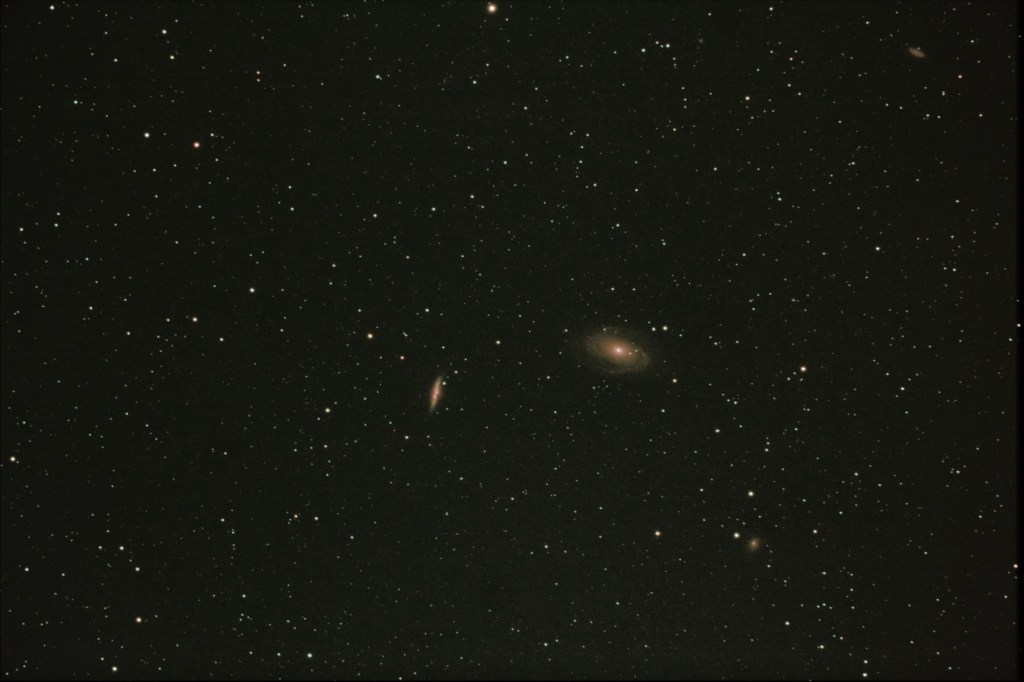
M82 (left) and M81: Stack of 14 images, ISO 2500, forty seconds each. No cropping. Notice the extra two galaxies to the upper right (NGC 2976) and lower right (NGC 3037) of the galaxies.
The Sun on Leap Day
This is the best stack so far. Stack of 10 images taken with the Canon 90D on the AT80EDT. 1/1250 second at ISO 500 (f6).
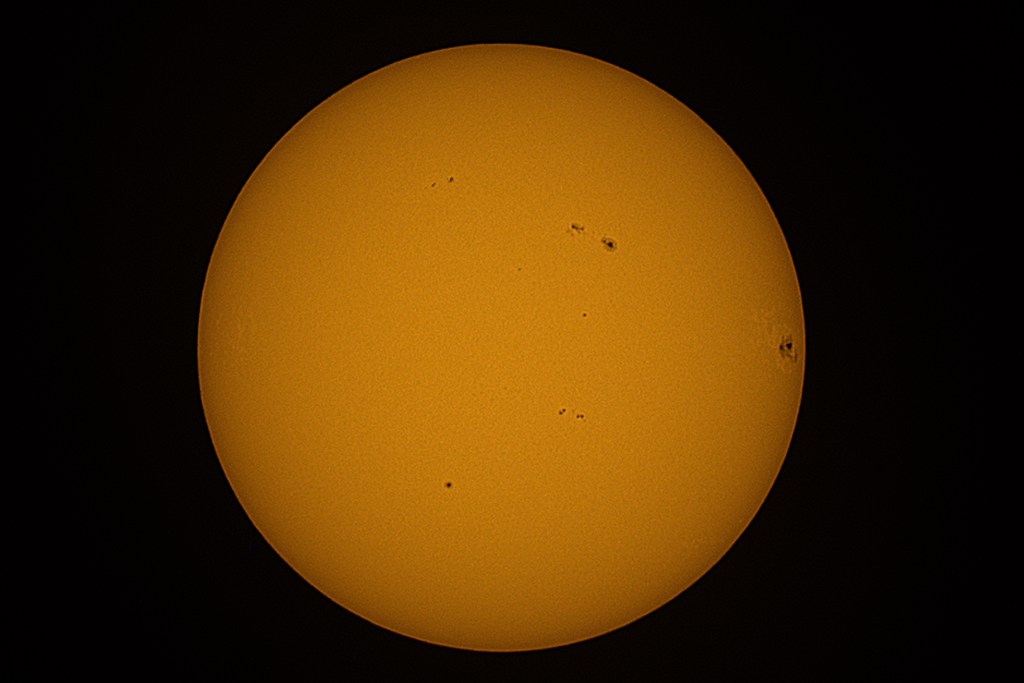
The Sun at the end of February.
I purchased some Thousand Oakes solar filter material to see if I like it better. I do only because it is more dense and I need to use a higher ISO setting which will be a benefit in April when I switch from a solar filter to no filter for the total eclipse. The difference in shutter speeds will be reduced for less fiddling with the camera. I have been performing many tests to get the partial phase settings down. For totality I want to get two cameras going and let them do their thing while I enjoy the show. I think I will put the Canon 70-200 f2.8 lens on the 60Da and the Canon 90D on the Astro-Tech AT80 (480mm at f6). Will probably use the focal reducer for 384mm at f4.8.
These images were taken over the last two days. Some with the Canon 60D(a) and the 90D. The telescope is still the Astro-Tech AT80EDT, f6 triplet. The close-ups are with the 60Da using video and the 640x 480 crop feature. The semi-close-up is with the 90D and a teleconverter. All are videos and stacked with RegiStax6. All are around 3000 images stacked. ISO was typically 500 and shutter speeds around 1/1600 of a second (ISO 500, 1/400 with teleconverter).
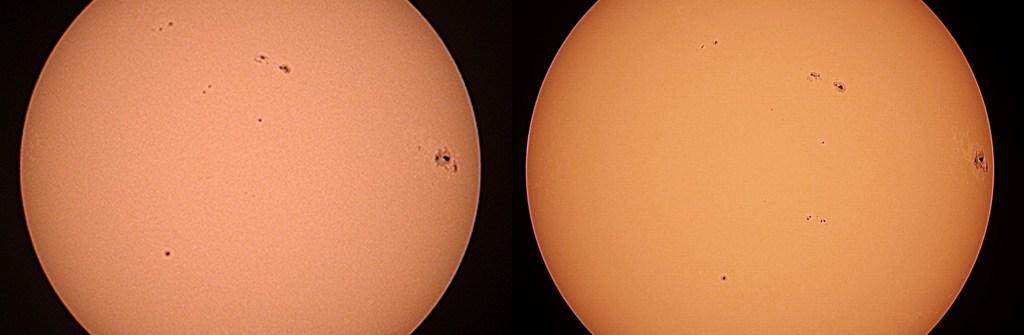
Feb. 28th and Canon 60Da on the left, Feb. 29th and the 90D on the right.
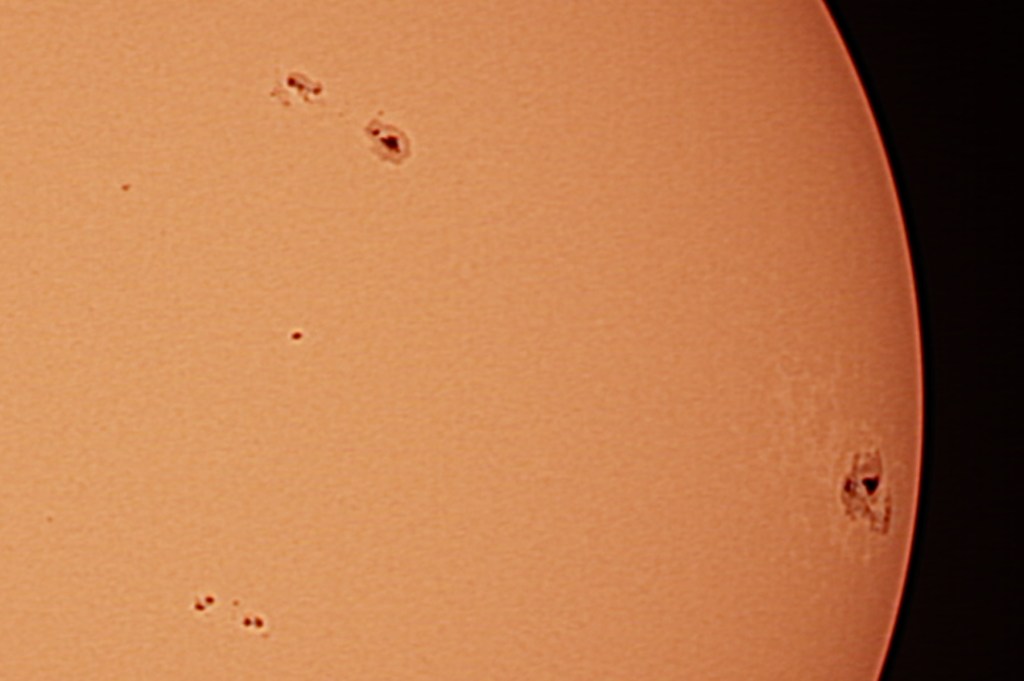
Canon 60Da. I noticed a more orange color with the 60Da when using the Thousand Oaks filter material (I make my own filter holders). With the Baader filter, the Sun has a more purple tint which means I have to correct the color.
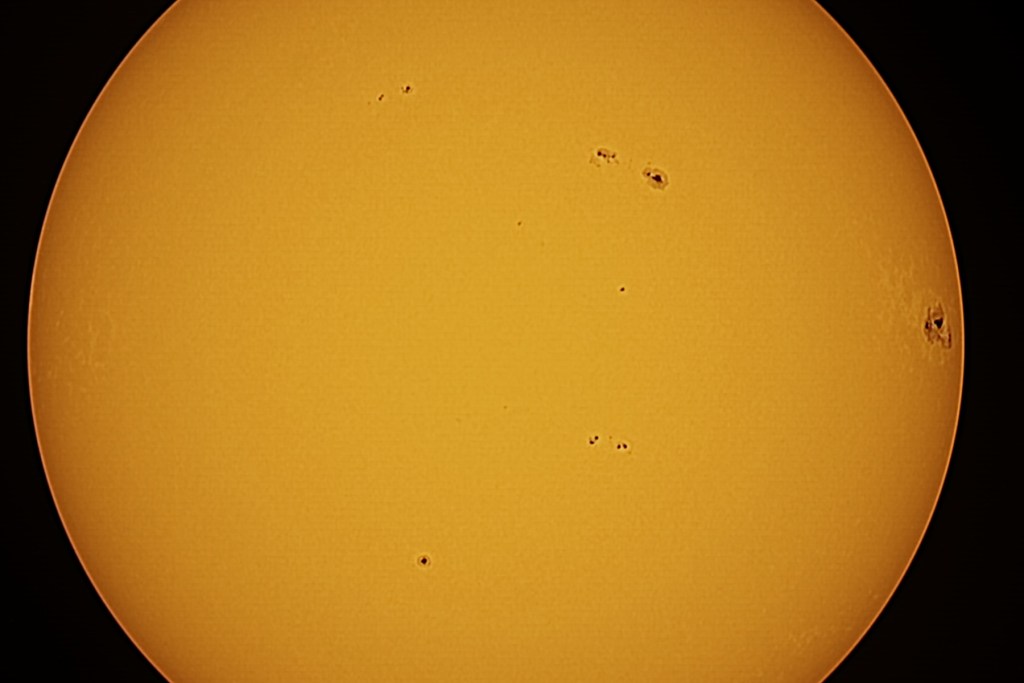
Canon 90D with teleconverter.
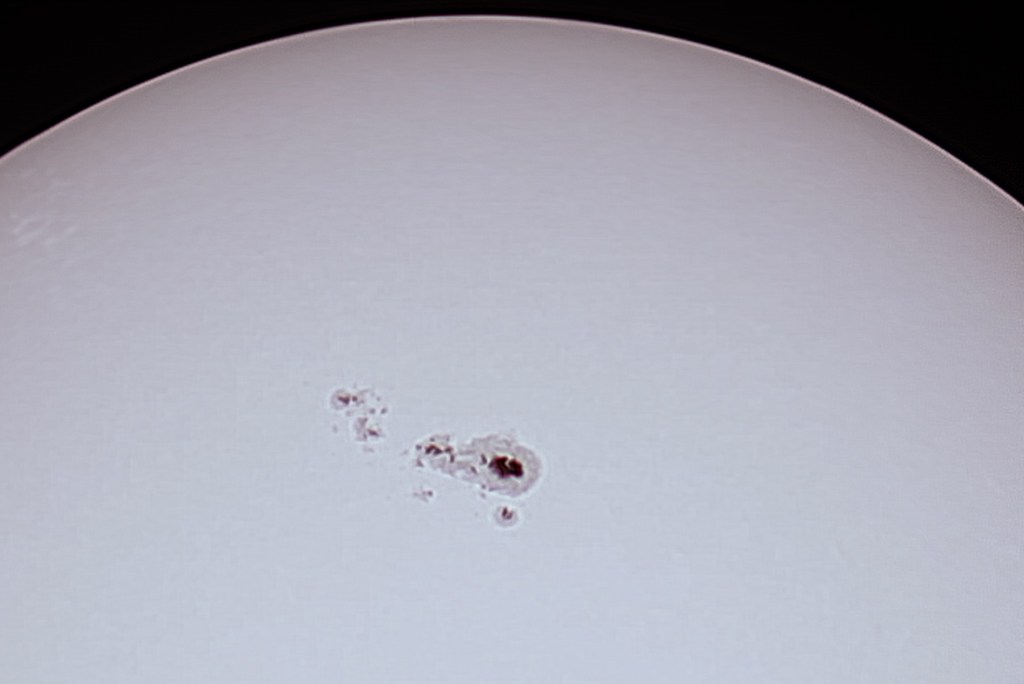
Sunspot 3590 on Feb. 23rd.
I have been testing my new Astro-Tech AT80EDT to prepare for April’s eclipse. Sunspot 3590 is huge! The first image was with my Canon 90D using the focal reducer for an effective focal length of 360mm at f4.8. Taken at ISO 100, 1/2000 second. I stacked 2283 images at ISO 2000 using Registax. The close-up is without the focal reducer for a focal length of 480mm at f6 but with my astro-modified Canon 60D but using an IR/UV cut filter. I set the video to crop the image down to 640 x 480 which effectively zooms in. It is a stack of 2258 images, ISO, 1/1600 second. All through a Baader Solar Filter.

New Telescope
I recently purchased a small refractor that will be perfect for the eclipse. It is an Astro-Tech AT80EDT f6 triplet. Its focal length is 480mm. I will be trying it with the focal reducer / field flattener soon which will make it a 384mm f4.8 telescope. I needed an adapter first and it will arrive just in time for the Moon to be in the way. I first tried it on the sun. I have not tried stacking any images of the sun yet (was cloudy and was chasing breaks in the clouds). I was able to try it out at night but it was a bit hazy. Still the images are impressive.
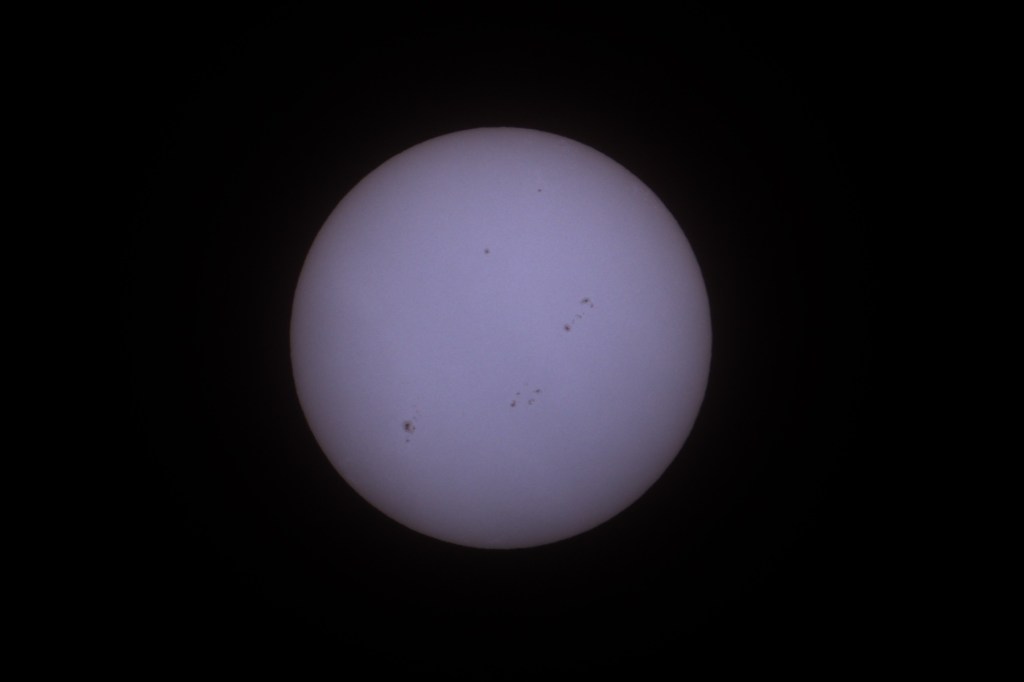
Baader solar filter. ISO 125, 1/1600 second exposure.

Stack of 38 images. About 12 at 1 minute exposure at ISO 1600. Then several each at 20 seconds, ten seconds and two seconds. That is how I can get the core from blooming out to a complete washout.
Solar Eclipse
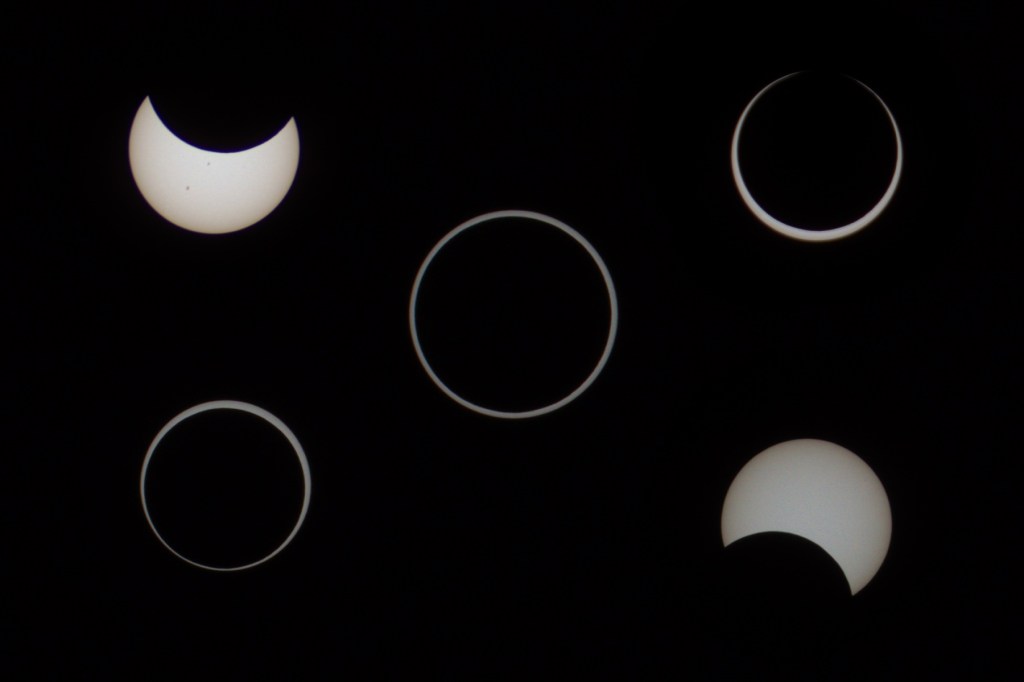
I went to Little Water, New Mexico for the annular eclipse. It was near center line and had over four minutes of totality. This is a composite of images taken at 9:54, 10:31, 10:33, 10:35 and 11:24. I used a Baader filter on my Canon 90D with my Canon 70-200mm lens with teleconverter. Exposures were 1/1600 second, f5.6, ISO 160 and 400mm. My equatorial mount failed (isn’t it always something?) so I had to take them all on a tripod. For some reason the right ascension motor has started slipping on that old mount.
This is a cell phone image of the shadows from a tree. lots of min-eclipse images!

This is a video of the last 40 seconds of totality sped up. This is where I wish the mount had tracked. I wanted to use a second camera and video the entire four minutes of totality. This is a good trial run for April’s total eclipse.
This is a timelapse from my still images. Since my equatorial mount failed, I was not able to set up my second camera which was supposed to capture a smooth timelapse of the whole eclipse. After the video is my test image of M31 that I took before I left. Still do not know why the right ascension motor was jammed.
This next image was my test of the equipment before I left. Stack of 20, unguided images.
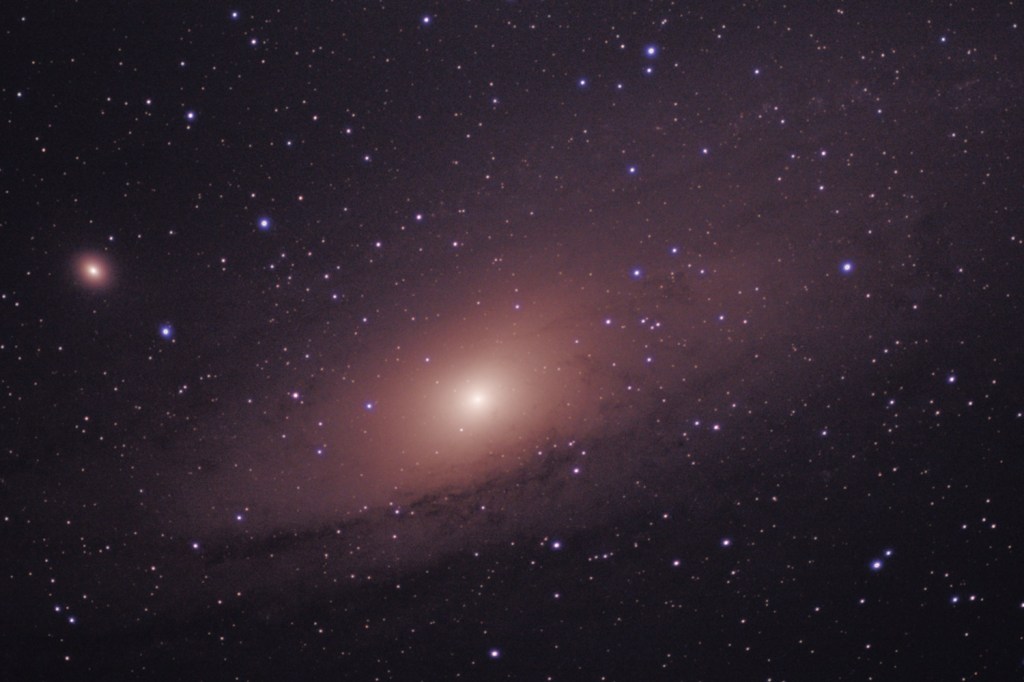
How about some 3D? The first is an anaglyph, the second a stereo pair.
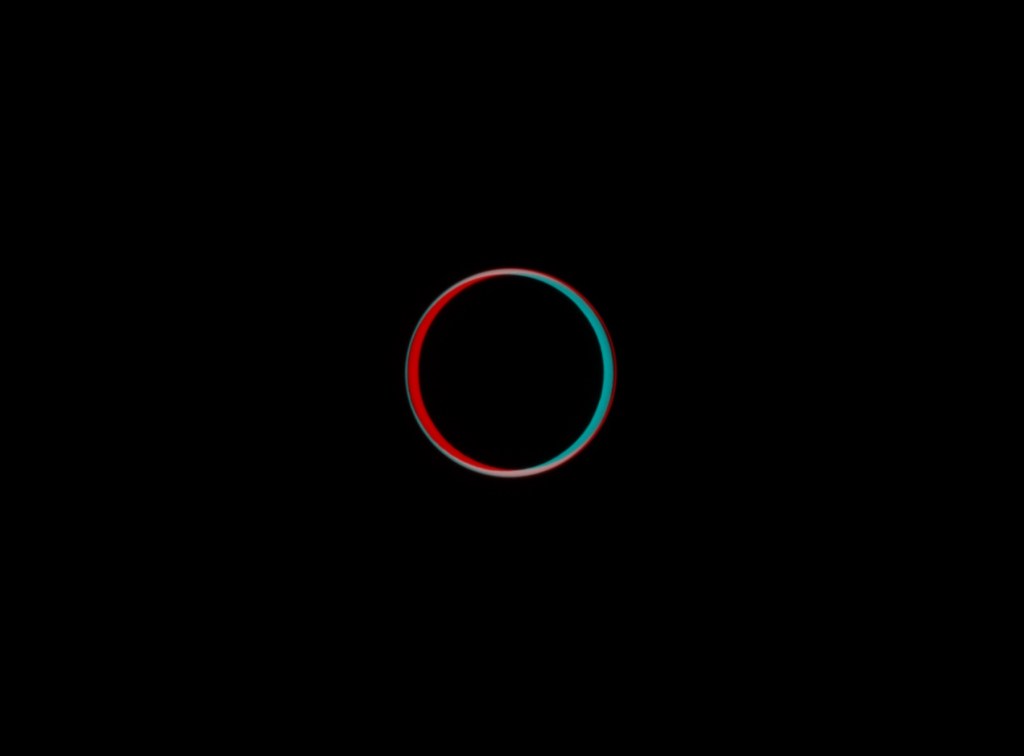
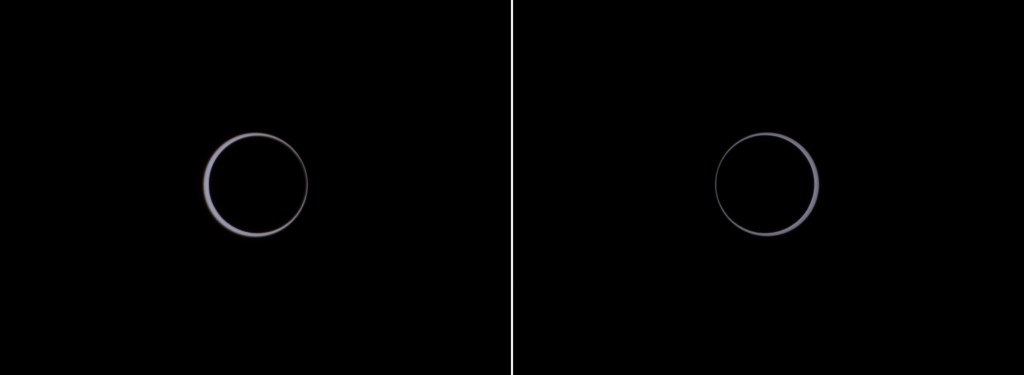
More images from the eclipse.

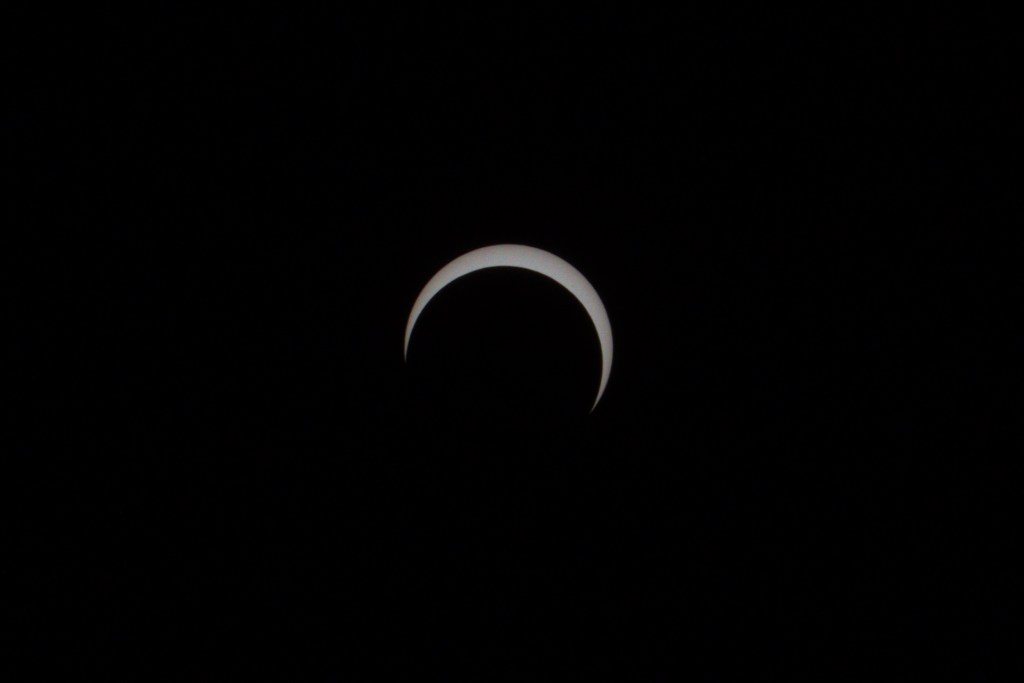
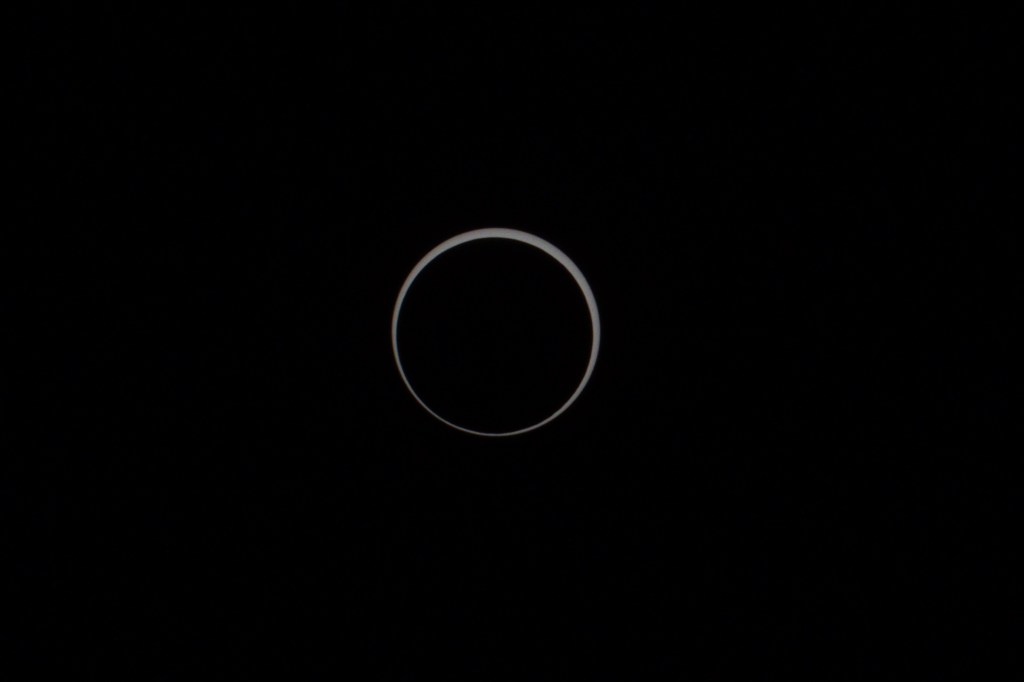
Bubble Nebula
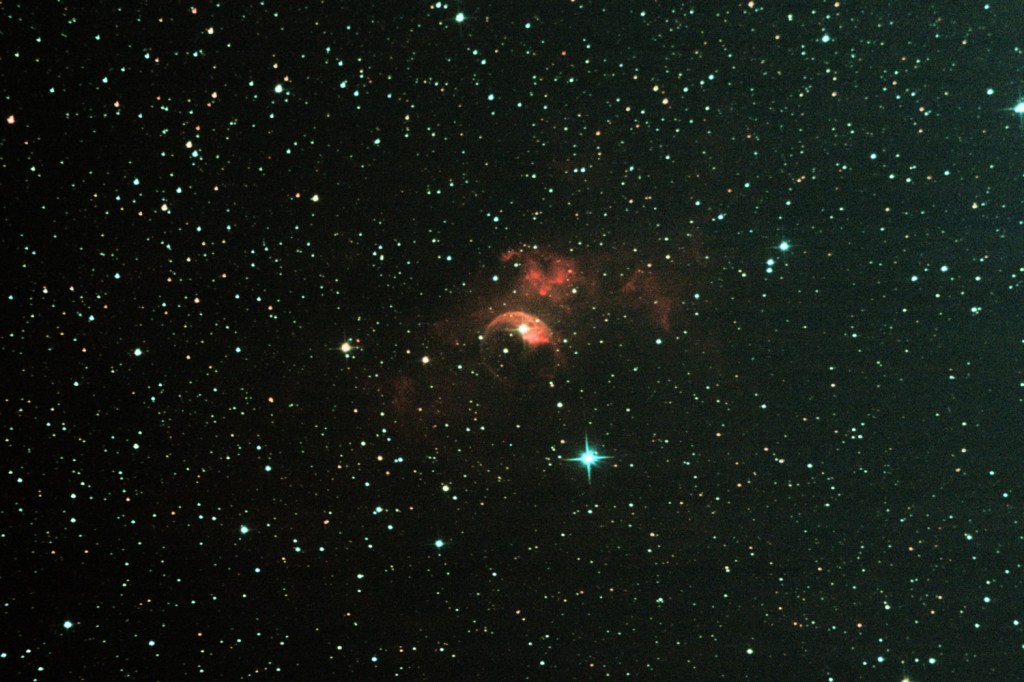
The Bubble Nebula with an Astronomik CLS Clip-on filter. Stack of 41, 30 second exposures at ISO 4000. Compare to…
New 3D
This image of M1 – The Crab Nebula was taken last November. It is a stack of 22 images of 30 seconds at ISO 4000. I am only guessing at the distances to the stars as there is no information on stars that are well over 1000 light years away. The nebula is about 6500 light years away. The only stars in the area that are around 200 light years away are out of the field of view. I am excited that it is rising earlier every day and I can try again in about a month. Next time I will try longer exposures, if possible and take many more images to stack. I am still hindered by light pollution. I have to use an Astronomik CLS filter. It is amazing but still, I wish people and cities would either shut off their yard and street lights or point them ONLY toward the ground!


The Triffid Nebula or M20 was taken in July and is a stack of 20, 25 second exposures at ISO 3200.


The Veil Nebula
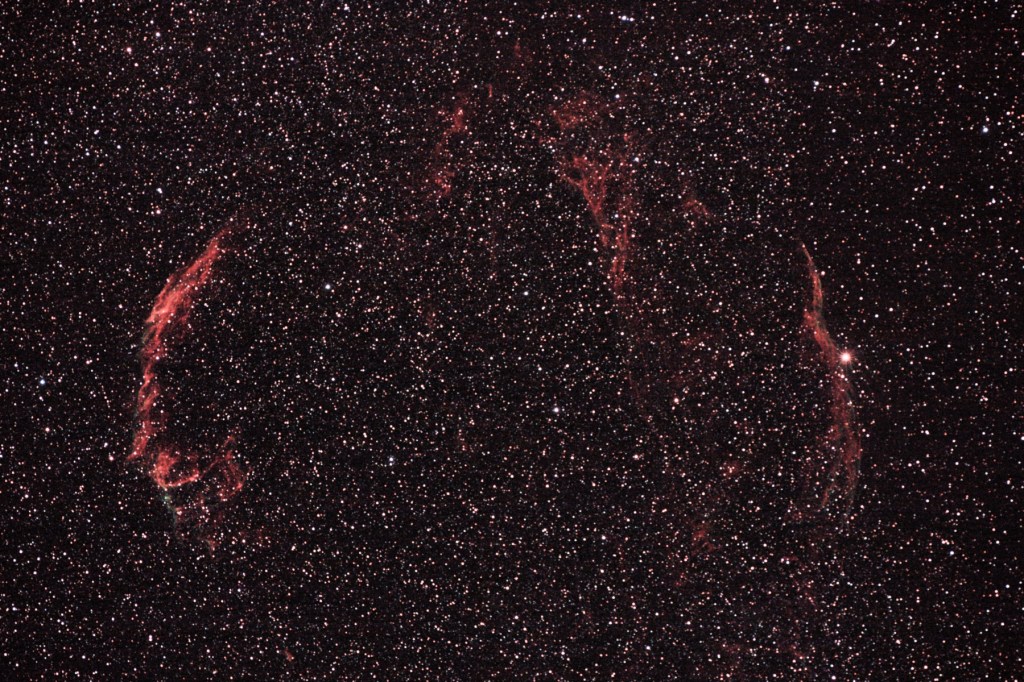
This is a stack of 45 30 second images through a Canon 72-200mm f2.8L III lens at f3.2 and ISO 3200.
The Lagoon Nebula in 3D
I have always loved 3D. I have even tried to create 3d images from my astrophotos. This is my best creation. I mostly use the clone feature of my program (I do not have Photoshop). Both a side-by-side (stereo pair) view and a full color anaglyph (for viewing with red and cyan glasses) were created. The best view is with the stereo pair.
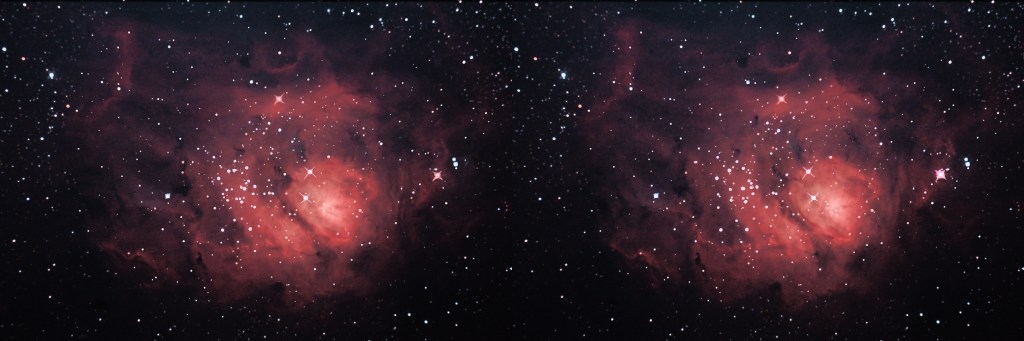
If you have never tried this before, you need to be able to look at the left image with your left eye and the right image with the right eye. Reading glasses help. If you have trouble, try looking across the room and then slowly move the image up into your filed of view. When you see three images, the middle one will be 3D.
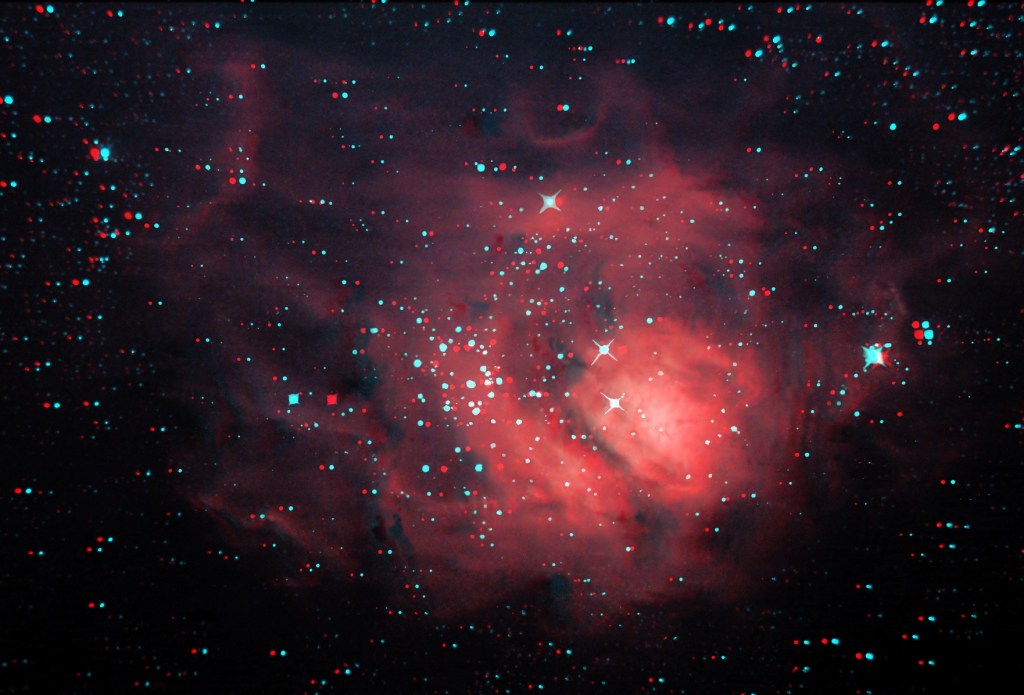
I try to get the depth as accurate as possible but for the nebulosity, it is mostly a guess. The inner cluster is also a guess but the other stars outside of the nebula are pretty accurate as to their relative distances.
Older images.
Sophia
We have a new addition to the family. We adopted a rescued pug. She is 9 years old. Her name is Sophia.
Horsehead Nebula
I was able to take an image of the Horsehead Nebula that I have been trying to capture for nearly 40 years. It is a stack of 16 images through my 10 inch Newtonian reflector, using a Canon 90D DSLR. Each are a one minute exposure at ISO 4000. What has changed is I now have a light pollution filter that works really well. It was taken near Grand Junction and in its light dome. The second image shows my approximate location (hard to tell from about 12 miles away). It has been a long time since I have tried to take this image of the Horsehead. The telescope is about 19 years old and had an accident about 14 years or so ago. I dropped a metal plate on the mirror! Left several chips in the optical surface. To repair that all you can do is paint them with a Sharpie so that they do not scatter light. Also I needed a new filter (this is an Astronomik CLS). I took this with my newly modified Canon 60D. I had the infrared blocking filter removed and a more astro-imaging friendly filter installed.

This is a stack of 39, 30 second exposures at ISO 4000. Alnitak is the left (eastern) star in the belt of Orion and is the bright star in the image. The Horsehead Nebula is actually a dark nebula being backlit by a gas cloud that is beyond it. Its molecules are being bombarded by ultraviolet light which is stripping electrons away from the atoms, which releases a photon that has a specific wavelength in the red part of the spectrum.
How about a 3D of the horsehead? I created this in the computer but I tried to make the stars and nebula accurate as to their positions from us. The nearer stars I had to cheat. Their parallax would be too great to be discernable. The depth of the nebulosity is a guess on my part.

Any feedback is appreciated. Please let me know what you would like to see more of so I can concentrate on what’s popular.
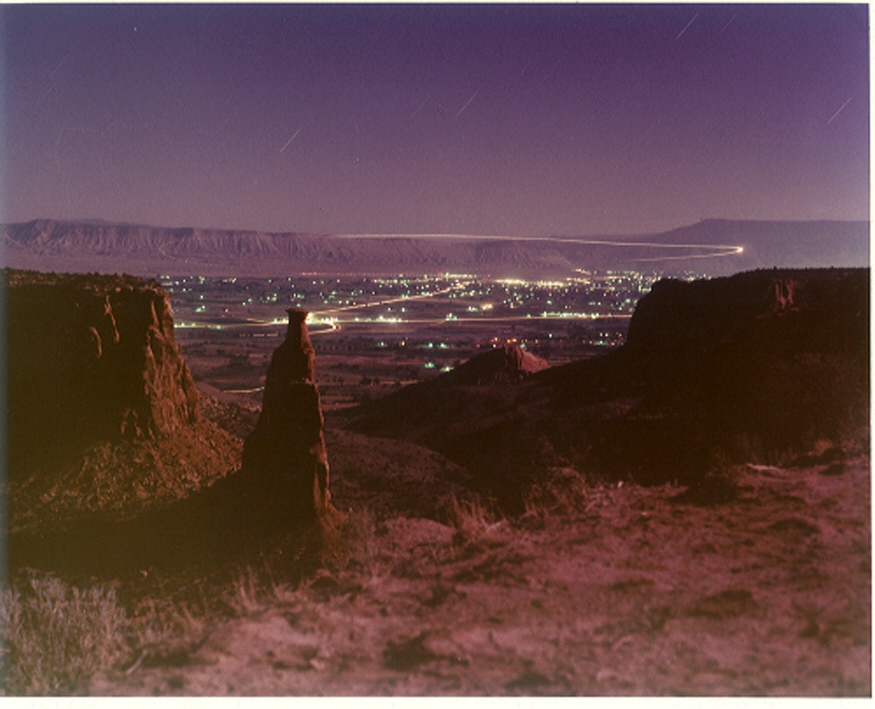
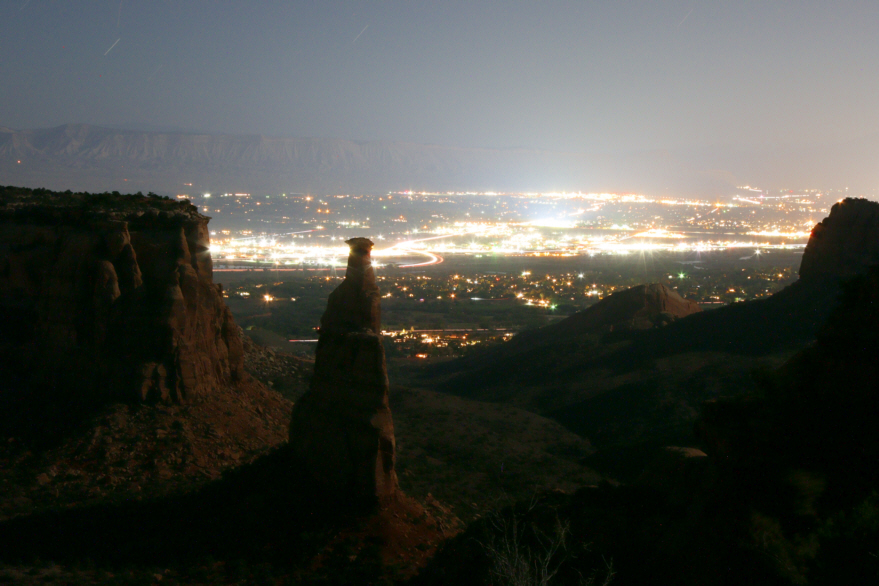
The Colorado National Monument and light pollution. 1979, 1999 and 2021

About the Blog
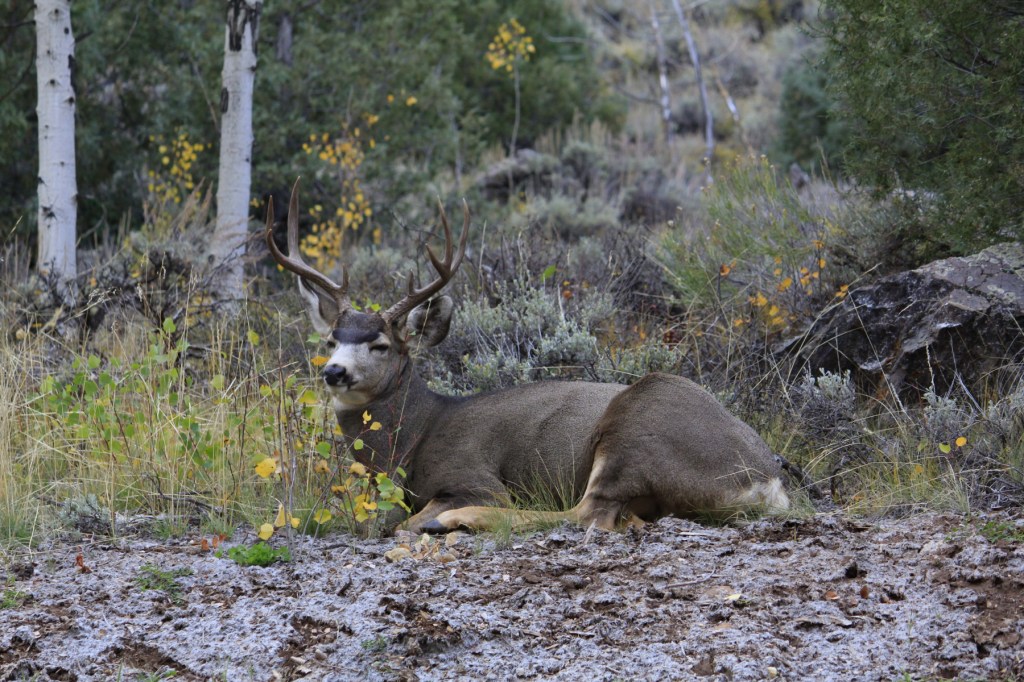
With this site I will be showcasing my photography, my sense of humor and my writings. See my writings to get to know who I am, where I came from and what makes me tick. I will add something about once a week. I have spent my life taking pictures of all kinds. The one area I have stayed away from is people, although there will be a few, now and then. I love astronomy, wildlife and scenery. Technically difficult images also pique my interest and are a challenge to create.
My humor usually involves puns, wordplay and jokes. I also try to create visual puns. These are quite challenging.
I love to tell stories and to teach with interesting articles. Expect many subjects that are unrelated. I will tackle haunted houses, growing up, UFO’s, the way people talk, unusual phenomena and my slanted view on the world.
I hope you enjoy and please feel free to follow and share with others.
David (Dave) Copley April 15, 2021
Get new content delivered directly to your inbox.


 Geeking Out with Dave
Dave, I love your pictures and your humor and I’m currently reading the haunting of Copley castle.
LikeLike
Dave,
I enjoyed your blog site. I had to laugh at your pictures in describing the coriolis effect. Your creativity was too much.
I enjoyed it. You also included some puns as well..
Dbert
LikeLiked by 1 person